The Role of Veneers in Enhancing Dental Aesthetics
November 6, 2025
What To Know About Dementia Care Services
November 10, 2025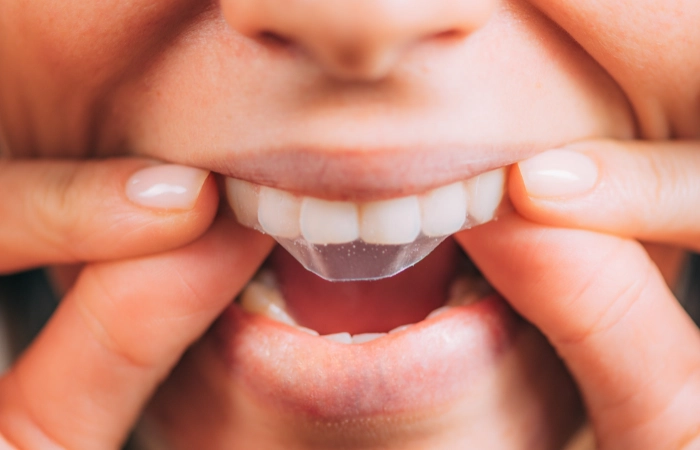
Teeth whitening enhances your smile, and at-home kits make it easier to achieve quick results. From strips and gels to LED devices, these products promise a brighter smile without a trip to the dentist. Here’s a closer look at the pros and cons of at-home teeth whitening kits:
What Are the Benefits?
At-home teeth whitening kits offer several benefits that make them a popular choice. Their primary appeal is convenience: they let you whiten your teeth on your own schedule without visiting a dental office. These kits are also more accessible to people. The gradual whitening process allows individuals to control the level of brightness they wish to achieve.
What are Risks and Drawbacks?
While at-home teeth whitening kits offer convenience, it is helpful to contemplate their potential risks. Here are some of the potential risks and drawbacks:
- Tooth Sensitivity: A common side effect is increased tooth sensitivity, which occurs when the whitening agent penetrates the enamel.
- Gum Irritation: Whitening gels can sometimes come into contact with the gums, causing irritation or a burning sensation.
- Uneven Results: Without professional application, at-home kits can sometimes lead to uneven whitening, creating a blotchy or inconsistent appearance.
- Enamel Damage: Overuse of whitening products or use of kits with excessively high concentrations of bleaching agents can damage tooth enamel over time.
These drawbacks highlight why professional supervision is a key part of a safe whitening treatment.
How Effective Are Whitening Ingredients?
To achieve optimal teeth whitening results, it is fundamental to understand the active ingredients and their mechanisms of action. Most whitening products contain hydrogen peroxide or carbamide peroxide, which act as bleaching agents to break down stains on the tooth’s surface. These substances release oxygen molecules that penetrate the enamel to lighten discoloration caused by coffee, tobacco, or aging. The effectiveness of these ingredients depends on their concentration and the duration of exposure during treatment.
Supporting ingredients like fluoride or potassium nitrate may be included to minimize sensitivity and protect enamel integrity during the whitening process. Individual results will vary based on the severity of staining and the natural color of teeth. Professional-grade treatments use higher concentrations of active agents, delivering faster, more noticeable results than over-the-counter alternatives.
When Should You Choose Professional Whitening?
In certain situations, professional in-office whitening is the better option for achieving desired results safely and effectively. Contemplate choosing professional whitening in the following situations:
- Significant Discoloration: If your teeth have deep or stubborn stains, a professional dental whitening treatment will be more effective because stronger bleaching agents are used.
- Existing Dental Issues: People with cavities, gum disease, or worn enamel should consult a dentist before any whitening treatment, as professional oversight is necessary to prevent complications.
- Desire for Quick Results: For those seeking immediate, dramatic results, in-office whitening can lighten teeth by several shades in a single appointment.
- Concerns About Sensitivity: A dentist can take measures to protect your gums and manage tooth sensitivity during a professional whitening procedure, making it a safer choice for individuals with sensitive teeth.
Contemplating these factors with your dentist can help you determine the appropriate course of action for your smile.
Schedule Your Teeth Whitening Appointment
At-home teeth whitening kits can be a helpful solution for minor staining, but they are not suitable for complex stains. For a safe, effective, and long-lasting result, professional in-office whitening is the recommended choice. Contact a dental specialist near you to schedule your professional teeth whitening appointment today.
- Good Skin Products for Sensitive Skin: A Complete Guide to Gentle Skincare
- Dermatologically Tested Skin Care Products: A Complete Guide for Healthier Skin
- Does Mixsoon Centella Cleansing Foam Really Help Clean and Soothe Skin?
- Good Skin Care Products for Combination Skin: A Complete Guide to Building the Right Routine
- How to Hide Dark Spots on Face? Easy Makeup and Skincare Tips