How to Get Clear Skin for Men?A Simple Guide That Actually Works
September 5, 2026
Good Skin Care Products for Combination Skin: A Complete Guide to Building the Right Routine
September 7, 2026
Dark spots on the face can make your skin look uneven, even when your skin is otherwise healthy. They may appear after acne, sun exposure, skin irritation, hormonal changes, or other causes of hyperpigmentation. For many people, the biggest concern is not only how to fade dark spots but also how to hide them while they are still visible.
The good news is that you do not need a heavy layer of foundation to make dark spots less noticeable. With the right preparation, color correction, concealer, foundation, and setting technique, you can create a natural-looking complexion without making your makeup look thick or cakey.
Learning how to hide dark spots on face is also about understanding what your skin needs underneath the makeup. Covering a spot can improve its appearance for the day, but sunscreen and appropriate skincare can help prevent existing pigmentation from becoming darker and may support a more even skin tone over time.
This guide explains simple ways to cover facial dark spots, how to choose the right products, which color corrector to use, how to avoid a cakey finish, and when it is better to see a dermatologist.
What Causes Dark Spots on the Face?
Dark spots are areas of skin that look darker than the surrounding skin. A common reason is increased production of melanin, the pigment responsible for skin color.
One common form is post-inflammatory hyperpigmentation. This can happen after acne, pimples, cuts, burns, rashes, or other skin irritation. The skin may remain darker even after the original problem has healed.
Sun exposure is another major factor. UV radiation can encourage the skin to produce more pigment and can make existing spots look darker.
Some people also develop melasma. Melasma often appears as larger brown or gray-brown patches, especially on the cheeks, forehead, nose, and upper lip. It can be influenced by sunlight, visible light, hormones, and other triggers.
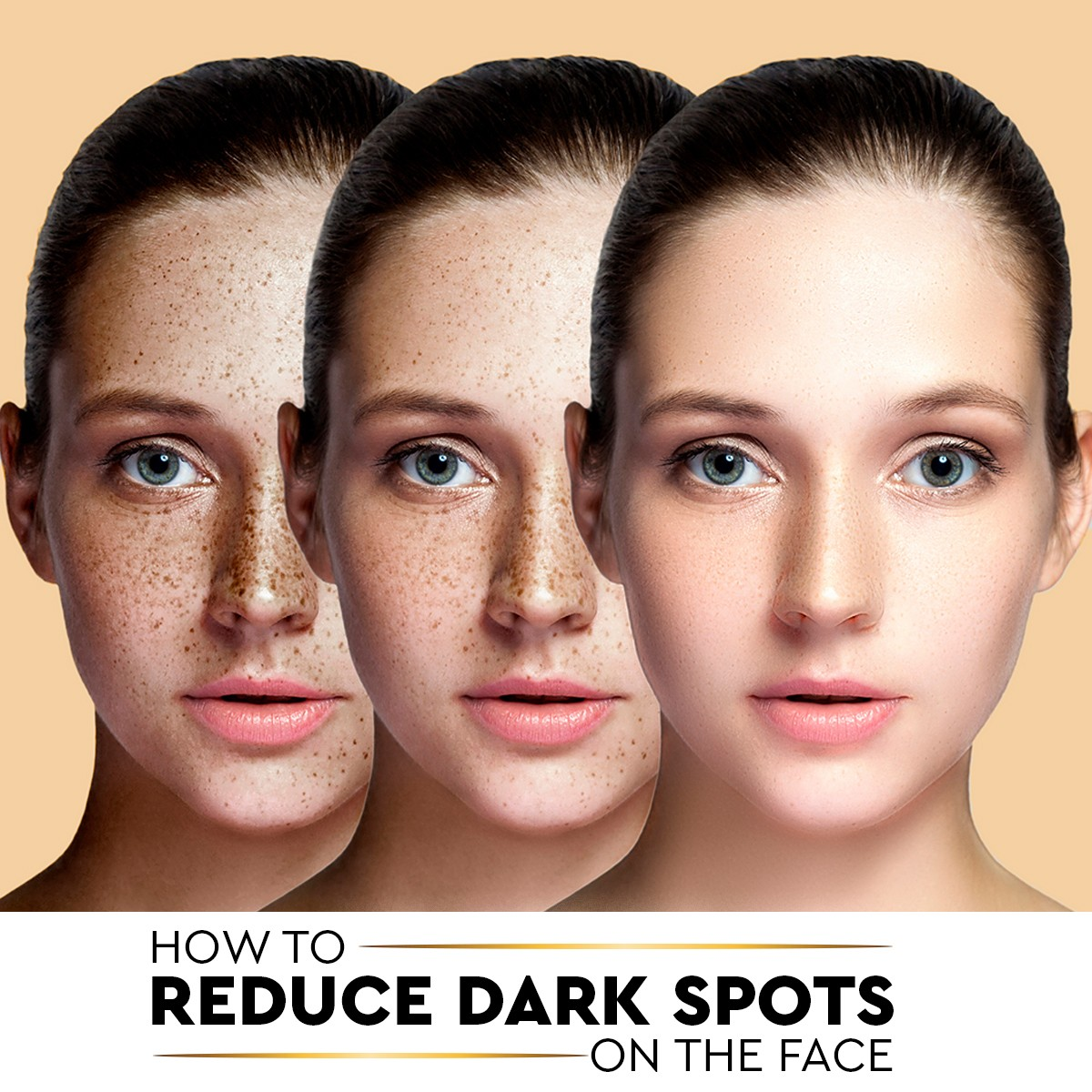
Age spots, sometimes called sun spots, can also develop after years of sun exposure.
Also read:How Do You Calm Type 2 Rosacea and Reduce Flare-Ups?
Because dark spots have different causes, the best way to treat them depends on what is causing them. Makeup can temporarily hide their appearance, but it does not treat the underlying cause.
Can Makeup Really Hide Dark Spots?
Yes. Makeup can make many types of dark spots much less noticeable.
The goal is not necessarily to cover your entire face with a thick foundation. A better approach is usually to correct the color of the darkest areas first and then use a small amount of concealer or foundation.
This creates a more even appearance while allowing your natural skin texture to remain visible.
The most useful products for covering dark spots include:
- Tinted sunscreen
- Color corrector
- Concealer
- Foundation
- Setting powder
- Makeup setting spray
You do not always need all of these products. Your choice depends on how dark the spots are and how much coverage you want.
For a small number of spots, spot concealing may be enough. For widespread pigmentation, foundation combined with targeted concealer may work better.
How to Hide Dark Spots on Face Step by Step
If you want a simple routine, follow this order:
- Clean your face gently.
- Apply moisturizer.
- Apply sunscreen.
- Allow your skincare to settle.
- Apply color corrector if needed.
- Dab concealer directly over the dark spots.
- Apply foundation if you want additional coverage.
- Blend around the edges.
- Set the makeup lightly with powder.
- Add setting spray if desired.
The most important idea is to use thin layers.
Adding more and more foundation is usually not the best way to cover a stubborn dark spot. Too much product can make the area look heavier and can draw attention to it.
Start With Clean, Moisturized Skin
Before applying makeup, gently cleanse your face and remove excess oil, sweat, and old makeup.
Follow with a moisturizer that matches your skin type.
Moisturizer is important because dry skin can cause makeup to separate, cling to flaky areas, or look uneven. Well-moisturized skin usually gives concealer and foundation a smoother surface.
If your skin is oily, choose a lightweight moisturizer. If your skin is dry, you may prefer a richer moisturizer.
Do not aggressively scrub the dark spots before applying makeup. Scrubbing can irritate the skin and may make pigmentation more noticeable.
A gentle routine is generally a better starting point.
Never Skip Sunscreen When Covering Dark Spots
Sunscreen is one of the most important parts of a routine for people concerned about dark spots.
Sun exposure can make hyperpigmentation darker and can contribute to new pigmentation. Dermatologists generally recommend broad-spectrum sunscreen with SPF 30 or higher when you are exposed to the sun.
For people who are prone to pigmentation, tinted sunscreen can be especially useful. Many tinted sunscreens contain iron oxides, which can provide protection against visible light. Visible light can worsen hyperpigmentation, particularly in people with darker skin tones.
This creates an interesting advantage: a tinted sunscreen can provide sun protection while also giving your skin some immediate color correction.
Apply sunscreen before your makeup.
If you spend extended time outdoors, follow the product’s directions for reapplication. The American Academy of Dermatology recommends reapplying sunscreen approximately every two hours while outdoors and after swimming or sweating, according to the product directions.
Do You Need a Color Corrector for Dark Spots?
Not everyone needs color correction.
If your dark spots are mild, a well-matched concealer may cover them without an additional product.
Color correction becomes more useful when the pigmentation is noticeably darker or has a strong brown, gray, or bluish appearance compared with your surrounding skin.
A color corrector works by visually balancing the unwanted color before you apply your normal concealer.
The key is to use a very small amount.
If you apply too much corrector, the final makeup can look unnatural.
Which Color Corrector Should You Use?
The best corrector depends on the color of the dark spot and your natural skin tone.
For many brown or very dark areas, peach, orange, or red-orange correctors can be useful depending on the depth of your skin tone and the appearance of the pigmentation.
A simple guide is:
- Light skin: peach or soft salmon may work well.
- Medium skin: peach, apricot, or orange may be useful.
- Tan skin: orange or deeper peach can work.
- Deep skin: orange-red or red-orange may be more effective.
These are starting points rather than strict rules.
Natural lighting is important when choosing a corrector. A product that looks perfect under strong indoor lighting may look different outside.
The goal is not to make the spot orange. The goal is to reduce the appearance of the dark color so that your regular concealer can cover it more easily.
How to Apply Color Corrector Without Looking Orange
Apply a small amount of color corrector directly on the dark spot using a brush or clean fingertip. Gently tap the edges to blend it. Do not spread it over the whole face. If the orange or red color is still visible after concealer, use less corrector next time.
Choose the Right Concealer Shade
Choose a concealer that closely matches the skin around the dark spot. A very light shade can make the area look gray or noticeable. When possible, check the shade in natural daylight before buying.
Should Concealer Be Lighter or Darker Than Foundation?
For dark spots, a concealer close to your natural skin tone usually works best. Avoid very light shades, as they can make the spot stand out. Color corrector can help reduce the darkness before concealer is applied.
How to Apply Concealer Over Dark Spots
Place a small amount of concealer directly on the dark spot and gently tap it into the skin. Avoid rubbing. Keep most of the coverage in the center and lightly blend the edges for a natural finish.
Why Thin Layers Work Better Than Heavy Makeup
Thick makeup can look cakey and unnatural. Start with a thin layer of foundation, then add concealer only where extra coverage is needed. Build the coverage slowly until the dark spots are less noticeable.
How to Hide Dark Spots With Foundation
Choose a foundation that suits your skin type and gives you the coverage you need. Apply a thin, even layer over your face and use concealer for darker areas. If you have acne-prone skin, consider non-comedogenic makeup to help avoid clogged pores.
How to Hide Dark Spots Without Foundation
You do not have to wear foundation to cover dark spots.
For a lighter everyday look, try:
- Moisturizer
- Tinted sunscreen
- Spot color corrector
- Spot concealer
- Small amount of setting powder
This routine can give you targeted coverage without covering your whole face.
It is especially useful when you want your skin to look natural.
If you only have two or three dark spots, full-face foundation may be unnecessary.
How to Cover Dark Spots for a Natural Look
Use makeup only where you need it. Apply more coverage to the center of the dark spot and blend the edges gently. Avoid using too much foundation or concealer. Natural skin texture is normal and can help your makeup look more realistic.
How to Hide Dark Spots on Face for Work or School
For everyday makeup, keep your routine simple. Apply moisturizer and sunscreen first. Use a little color corrector and matching concealer on dark spots. Add light foundation or tinted moisturizer if needed. Set only oily areas with a small amount of powder.
How to Hide Dark Spots for Photos
Photos and lighting can make dark spots look more noticeable. Use color corrector, matching concealer, and a light layer of foundation. Blend carefully and avoid too much powder, as it can make dry skin look more visible. Check your makeup in the same lighting where the photos will be taken.
How to Cover Dark Spots on Darker Skin Tones
Dark spots can be particularly noticeable on deeper skin tones because changes in pigmentation may create strong contrast.
At the same time, aggressive skincare treatments can sometimes cause irritation, which may worsen pigmentation.
This is why a gentle approach matters.
Tinted sunscreen with iron oxide may be helpful for people with darker skin tones because visible light can contribute to hyperpigmentation. The American Academy of Dermatology specifically recommends tinted sunscreen containing iron oxide for protecting against visible light.
For makeup, choose correctors based on the actual color of your pigmentation rather than following a single rule for everyone.
Deep orange or red-orange may work for some darker complexions, but the right shade depends on the person’s undertone and the color of the spot.
How to Hide Acne Dark Spots
Acne can leave dark marks even after pimples heal. These marks are called post-inflammatory hyperpigmentation.
Use gentle skincare and avoid picking or squeezing pimples. If you have acne-prone skin, choose non-comedogenic makeup that does not clog pores. Always remove makeup before bed.
Treating your acne can also help prevent new dark spots from forming.
How to Hide Dark Spots Without Making Acne Worse
Heavy makeup is not automatically bad for acne, but certain products may cause problems for some people.
If you notice new small bumps after changing makeup, examine the products you are using.
Also consider makeup tools.
Dirty brushes and sponges can collect oil, product buildup, and other debris.
Clean your makeup tools regularly according to their material and the manufacturer’s recommendations.
Avoid sharing makeup and makeup applicators.
Remove makeup before sleeping.
The goal is to cover the marks without creating new breakouts.
Can Skincare Help Fade Dark Spots?
Yes, depending on the cause.
Makeup provides temporary camouflage, while skincare can address pigmentation over time.
Ingredients commonly used in pigmentation-focused skincare include vitamin C, azelaic acid, retinoids, and other pigment-targeting ingredients.
However, not every ingredient is suitable for every person.
Irritation can make pigmentation worse.
The American Academy of Dermatology recommends gentle, fragrance-free skincare for people dealing with melasma because irritation can darken dark spots.
If a product burns or stings, that is not necessarily a sign that it is working.
It may be a sign that your skin is becoming irritated.
Why Sunscreen Helps Dark Spots Look Better Over Time
Sunscreen does not instantly remove pigmentation.
Its importance is more preventive.
If UV exposure repeatedly stimulates pigment production, dark spots can remain noticeable for longer.
Reducing that exposure gives your skin a better environment for pigmentation to gradually improve.
This is why a pigmentation routine without sun protection may produce disappointing results.
For melasma and some types of hyperpigmentation, dermatologists may recommend broad-spectrum SPF 30 or higher, along with other sun-protection measures.
Tinted Sunscreen vs Foundation for Dark Spots
Tinted sunscreen and foundation serve different purposes.
Tinted sunscreen provides sun protection while adding some cosmetic coverage.
Foundation primarily provides cosmetic coverage.
If you have mild uneven pigmentation, tinted sunscreen may be enough for a quick everyday routine.
If your spots are darker, you can use tinted sunscreen as your base and add concealer where needed.
This combination can reduce the need for heavy foundation.
It also addresses an important part of pigmentation care: protecting your skin from light exposure.
How to Set Concealer So It Does Not Move
Once your concealer is blended, you can lightly set it with powder.
Use a small amount.
A large amount of powder can make the area look dry or textured.
A small fluffy brush can work well for targeted application.
Pressing a tiny amount of powder over the concealer may help it stay in place.
If your skin is dry, you may prefer using less powder.
If your skin is oily, slightly more setting powder may be useful in areas where makeup tends to move.
The best amount depends on your skin.
Also read:Difference Between CC Cream and BB Cream: A Simple Guide to Choosing the Right One
Common Mistakes When Hiding Dark Spots
One common mistake is using too much product.
Another is choosing a concealer that is too light.
Other mistakes include:
- Skipping sunscreen
- Using the wrong color corrector
- Rubbing instead of tapping
- Applying thick foundation everywhere
- Failing to moisturize dry skin
- Using irritating skincare products
- Sleeping with makeup on
- Ignoring acne that keeps causing new dark marks
- Using dirty makeup tools
Correcting these small mistakes can make a surprisingly large difference.
Can Lemon Juice Remove or Hide Dark Spots?
Lemon juice is often recommended in homemade skincare tips, but it is not a good choice for hiding or treating facial dark spots.
Lemon juice can irritate the skin.
Irritation may make pigmentation more noticeable.
Instead of using harsh kitchen ingredients, choose products designed for facial skin.
A gentle routine is generally safer and easier to maintain.
Should You Exfoliate Dark Spots?
Exfoliation may help remove dead surface skin, but more exfoliation is not necessarily better.
Over-exfoliating can damage the skin barrier and cause irritation.
For people prone to hyperpigmentation, irritation can sometimes make discoloration worse.
If you exfoliate, choose a method appropriate for your skin type and introduce it gradually.
Do not aggressively scrub dark spots in an attempt to make them disappear.
Pigment is not simply dirt sitting on the surface of your skin.
How Long Does It Take for Dark Spots to Fade?
The answer depends on the cause, depth, skin type, and treatment.
Some marks gradually become lighter over time.
Others, such as melasma, can be persistent and may require professional treatment.
The American Academy of Dermatology notes that treatment for melasma can take months, and many patients may need continued treatment and sun protection to manage it.
This is why makeup can be useful while you wait.
You do not have to choose between covering a spot today and treating it over time.
You can do both.
When Should You See a Dermatologist?
Most ordinary dark spots are not emergencies, but you should not assume every dark mark is simply pigmentation.
See a dermatologist if a spot:
- Changes in size
- Changes in shape
- Changes in color
- Develops unusual borders
- Bleeds
- Crusts
- Becomes painful
- Does not heal
- Looks significantly different from your other spots
A dermatologist can determine whether the mark is ordinary hyperpigmentation or something that needs further evaluation.
Professional care can also help if pigmentation is widespread, persistent, or difficult to manage.
Professional Treatments for Dark Spots
If home skincare and makeup are not enough, a dermatologist may discuss treatment options based on the cause of the pigmentation.
Possible treatments can include prescription medications and certain in-office procedures.
For melasma, treatment plans may include prescription creams, selected chemical peels, laser or light-based procedures, or other approaches depending on the individual situation.
Not every treatment is appropriate for every skin tone.
This is particularly important because procedures that irritate the skin can sometimes cause additional pigmentation.
A dermatologist can help determine which approach makes sense for your skin.
How to Choose Makeup for Sensitive Skin
If your skin is sensitive, keep your routine simple.
Look for products that work comfortably with your skin rather than choosing a product only because it promises extremely high coverage.
Also read:What Is the Best Medical Grade Skincare for Dark Spots and Uneven Skin Tone?
Fragrance-free options may be preferable if fragrance tends to irritate your skin.
Patch testing a new product on a small area can help you identify possible irritation before applying it across your face.
If a cosmetic repeatedly causes burning, itching, redness, or bumps, stop using it and consider discussing the reaction with a dermatologist.
How to Remove Makeup Without Irritating Your Skin
Gently remove makeup at the end of the day using a mild cleanser or makeup remover. Avoid harsh scrubbing, then apply moisturizer to keep your skin comfortable. If you use active or prescription skincare, follow your dermatologist’s instructions.
A Simple Everyday Routine for Dark Spots
A simple routine can make covering dark spots easier.
Morning:
- Cleanse gently.
- Apply moisturizer.
- Use SPF 30 or higher.
- Apply tinted sunscreen if desired.
- Use color corrector and concealer on dark spots.
- Add foundation if needed.
Evening:
- Remove makeup.
- Cleanse your face.
- Apply your skincare treatment.
- Moisturize.
How to Hide Dark Spots Without Looking Like You Are Wearing Makeup
Use small amounts of makeup only where needed. Match your concealer to your skin tone and blend the edges well. Avoid too much powder or foundation. A little natural skin texture can make your makeup look more realistic.
What to Do If Concealer Looks Gray Over Dark Spots
Gray concealer usually means the shade is not right or the dark color needs correction. Try a small amount of peach or orange corrector first, then apply a concealer that matches your skin tone. Use thin layers.
What to Do If Makeup Looks Cakey Over Dark Spots
Cakey makeup can come from dry skin, too much product, or excessive powder. Moisturize first, then use a small amount of corrector and concealer. Add foundation only where needed and finish with a light layer of powder.
Is It Better to Hide Dark Spots or Treat Them?
You can do both.
There is no reason to avoid makeup simply because you are treating hyperpigmentation.
Makeup can provide immediate confidence while skincare works more slowly.
This is particularly useful because pigmentation often does not disappear overnight.
The important distinction is that makeup is camouflage, not a cure.
If you want long-term improvement, focus on identifying the cause, protecting your skin from sunlight, avoiding unnecessary irritation, and using suitable treatment.
Final Thoughts
Learning how to hide dark spots on face does not require complicated makeup or a thick layer of foundation. Start with clean, moisturized skin and good sun protection. If the spots are noticeable, use a small amount of color corrector followed by a concealer that matches the surrounding skin. Add foundation only when you need more overall coverage, and use thin layers instead of trying to cover everything at once. For long-term improvement, remember that makeup only hides pigmentation temporarily. Consistent sun protection and appropriate skincare can help prevent dark spots from becoming darker, while persistent or unusual pigmentation may need evaluation by a dermatologist. The best routine is one that makes your skin look natural, feels comfortable, and is easy enough to follow consistently.
FAQs About Hiding Dark Spots on the Face
Can I hide dark spots with just concealer?
Yes. If you have only a few dark spots, you may not need foundation. Apply a small amount of matching concealer directly to each spot and blend the edges carefully.
Why do my dark spots look darker after applying foundation?
Foundation can sometimes make pigmentation appear more noticeable if the shade does not match your skin or if the foundation is too sheer. A small amount of color correction followed by a matching concealer may provide better coverage.
Can tinted sunscreen replace foundation?
For some people, yes. Tinted sunscreen can provide light cosmetic coverage while protecting the skin. If you have stronger pigmentation, you can add concealer over the areas that need more coverage.
Can dark spots suddenly appear on the face?
Yes, pigmentation can develop for many reasons, including acne, irritation, sun exposure, hormonal changes, and certain skin conditions. A new or changing dark spot should be evaluated if it looks unusual or continues to change.
Does covering dark spots make them worse?
Makeup itself does not automatically make pigmentation worse. However, irritating cosmetics, poor makeup removal, or products that contribute to acne may create problems for some people. Choose suitable products, avoid irritation, and remove makeup before sleeping.