Difference Between CC Cream and BB Cream: A Simple Guide to Choosing the Right One
September 4, 2026
How to Get Clear Skin for Men?A Simple Guide That Actually Works
September 5, 2026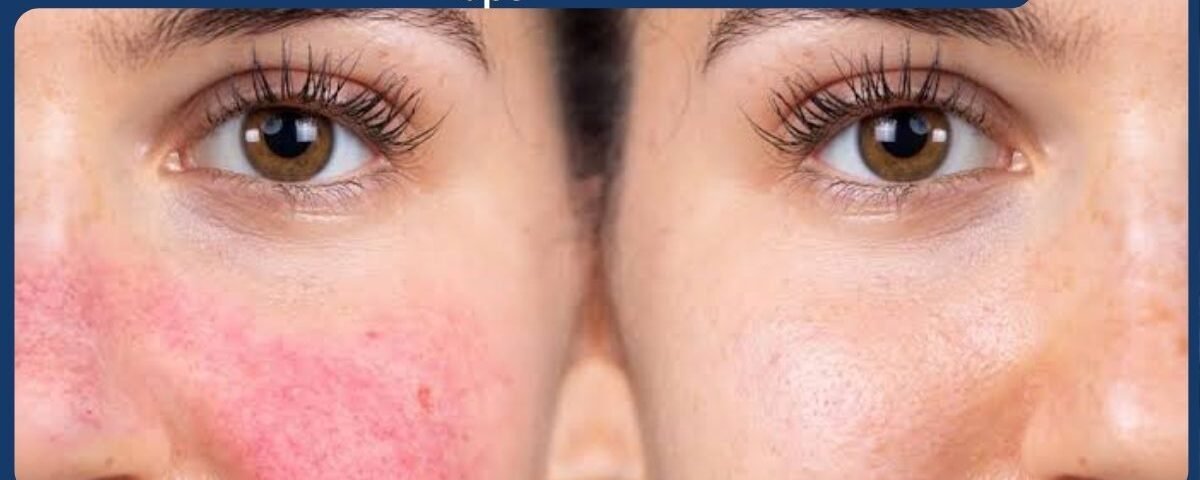
Type 2 rosacea, also called papulopustular rosacea, is a common form of rosacea that causes persistent facial redness along with small red bumps and pus-filled spots. Because these bumps can look similar to acne, type 2 rosacea is sometimes mistaken for ordinary acne or another skin condition.
Understanding the difference matters because rosacea and acne are treated differently. The wrong skin-care routine or treatment may irritate sensitive skin and make symptoms worse.
This guide explains what type 2 rosacea is, what causes it, its symptoms, triggers, diagnosis, treatment options, skin-care strategies, and how it compares with type 1 rosacea. It is written for readers in the United States and uses plain language while covering the important medical information.
What Is Type 2 Rosacea?
Type 2 rosacea is a subtype of rosacea known medically as papulopustular rosacea. It is a chronic inflammatory skin condition that mainly affects the central face.
People with type 2 rosacea commonly develop:
- Facial redness
- Red or swollen bumps called papules
- Pus-filled bumps called pustules
- Burning or stinging
- Sensitive skin
- Dry or rough skin
- Episodes in which symptoms become more noticeable
The cheeks, nose, chin, and forehead are common areas of involvement.
Unlike acne, type 2 rosacea usually develops on a background of facial redness. Blackheads and whiteheads, which are typical signs of acne, are generally not a major feature of rosacea.
The condition can improve with appropriate treatment, but rosacea is usually considered a long-term condition rather than something that permanently disappears after a short course of treatment.
What Does Type 2 Rosacea Look Like?
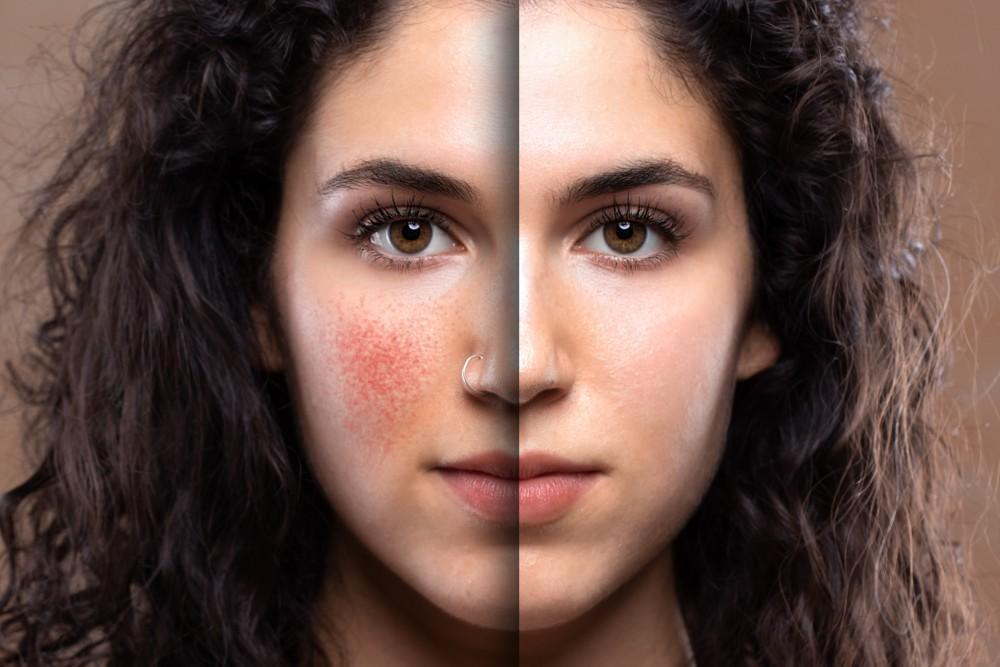
Type 2 rosacea often appears as a combination of redness and acne-like lesions.
Papules are raised, red bumps without visible pus. Pustules are similar bumps that contain pus.
A person may have only a few lesions at one time, or they may experience larger flare-ups.
Common visual features include:
- Redness across the cheeks
- Red bumps around the nose and mouth
- Pus-filled spots
- Small areas of swelling
- Dry or rough skin
- Increased facial sensitivity
- Burning or stinging after applying skin-care products
Some people have visible blood vessels as well. Others may experience flushing before developing bumps.
Because the appearance can vary considerably, a dermatologist may need to examine the skin carefully before making a diagnosis.
What Is Type 2 Rosacea Called?
The medical name for type 2 rosacea is papulopustular rosacea.
You may also see people use terms such as:
- Rosacea type 2
- Papulopustular rosacea
- Inflammatory rosacea
- Acne-like rosacea
- Rosacea with papules and pustules
These terms generally refer to the same clinical pattern.
It is important to remember that rosacea classification can be more complicated than simply putting every person into one category. People can have overlapping features, and symptoms can change over time.
Also Read: How Does Glycolic Body Lotion Help Improve Skin Texture?
What Causes Type 2 Rosacea?
There is no single cause of type 2 rosacea.
Researchers believe that several factors may contribute to the condition. These can include abnormal inflammation, changes in the skin’s immune response, blood-vessel activity, genetics, environmental triggers, and changes involving microorganisms that normally live on the skin.
Rosacea is not caused by poor hygiene.
It is also not simply an infection.
Genetics
Rosacea can occur in families. Having a close relative with rosacea may increase a person’s likelihood of developing it.
However, genetics alone do not explain every case.
Inflammation
Inflammation plays an important role in rosacea.
The skin may respond too strongly to certain environmental or internal signals. This can contribute to redness, swelling, burning, and papules or pustules.
Blood-vessel changes
Changes in facial blood vessels can contribute to flushing and persistent redness.
Repeated episodes of flushing may make redness more noticeable over time in some people.
Skin barrier problems
Many people with rosacea have sensitive skin and may have difficulty tolerating products that do not bother other people.
A weakened or easily irritated skin barrier can contribute to dryness, burning, and stinging.
Microorganisms and Demodex mites
Demodex mites naturally live on human skin. Research has found associations between increased Demodex density and rosacea in some people.
However, this does not mean that rosacea is simply caused by mites. The relationship is complex, and the presence of Demodex does not by itself prove that someone has rosacea.
What Triggers Type 2 Rosacea?
Triggers are factors that can temporarily worsen rosacea symptoms.
Triggers vary from person to person, but common examples include:
- Sun exposure
- Hot weather
- Cold or windy weather
- Hot drinks
- Spicy foods
- Alcohol
- Stress
- Emotional flushing
- Intense exercise
- Hot baths or showers
- Certain skin-care products
Not everyone has the same triggers.
One useful approach is to keep a simple symptom diary. Write down what you ate, drank, used on your skin, and did before a flare.
Over time, patterns may become easier to identify.
Sun Exposure
Ultraviolet radiation is a major concern for many people with rosacea.
Daily sun protection can help reduce flare-ups and protect the skin from cumulative UV damage.
For people with sensitive skin, sunscreen selection can be especially important. A product that causes burning or stinging may be difficult to use consistently.
Heat
Heat can trigger flushing in some people.
Hot showers, saunas, heated rooms, and very hot beverages may cause symptoms to become more noticeable.
Spicy Foods
Capsaicin and other compounds in spicy foods can cause a sensation of heat and flushing.
Some people with rosacea notice that spicy foods make their symptoms worse, while others do not.
There is no universal requirement for people with rosacea to avoid all spicy foods.
Alcohol
Alcohol can cause facial flushing and may worsen rosacea symptoms in some people.
If you notice a consistent relationship between alcohol and flares, reducing or avoiding that trigger may help.
Type 2 Rosacea Symptoms
The most recognizable symptoms of type 2 rosacea are facial redness and inflammatory bumps.
Possible symptoms include:
Persistent Redness
The central face may remain red even when a person is not experiencing an obvious flare.
Papules
Papules are small, raised, red bumps.
They can appear alone or in groups.
Pustules
Pustules are raised bumps containing pus.
They can look very similar to acne pimples.
Burning and Stinging
Some people experience burning, stinging, warmth, or increased sensitivity.
These sensations may occur even when the skin does not look severely inflamed.
Dryness
Rosacea-prone skin may become dry, rough, or flaky.
This can make some people apply more products, which can sometimes increase irritation.
Swelling
Facial swelling can occur during more active inflammation.
Visible Blood Vessels
Small visible blood vessels, known as telangiectasia, may develop over time.
These are especially common around the nose and cheeks.
Type 2 Rosacea vs Acne
One of the most important questions is whether the bumps are rosacea or acne.
The two conditions can look similar, but there are useful clues.
| Feature | Type 2 Rosacea | Acne |
| Facial redness | Common | May occur around individual lesions |
| Papules | Common | Common |
| Pustules | Common | Common |
| Blackheads | Usually absent | Common |
| Whiteheads | Usually absent | Common |
| Flushing | Common | Not a defining feature |
| Burning/stinging | More common | Less typical |
| Central facial distribution | Common | Can occur anywhere acne develops |
| Sensitive skin | Common | Variable |
| Typical treatment | Rosacea-focused treatment | Acne-focused treatment |
Some people can have both acne and rosacea.
That is why a professional diagnosis can be helpful when the cause of facial bumps is unclear.
Type 1 vs Type 2 Rosacea
Understanding type 1 vs type 2 rosacea can make the classification easier.
Type 1 rosacea is often called erythematotelangiectatic rosacea. It is mainly associated with facial redness, flushing, and visible small blood vessels.
Type 2 rosacea is called papulopustular rosacea. It is associated with persistent redness plus papules and pustules.
Type 1 Rosacea
Typical features include:
- Flushing
- Persistent facial redness
- Visible blood vessels
- Warmth
- Burning or stinging
- Skin sensitivity
Type 2 Rosacea
Typical features include:
- Persistent redness
- Red bumps
- Pus-filled bumps
- Burning or stinging
- Swelling
- Sensitive or dry skin
Rosacea Type 1 vs 2: Can Someone Have Both?
Yes.
Rosacea does not always fit neatly into one category. A person may have features associated with more than one clinical pattern.
For example, someone may have persistent facial redness and visible blood vessels while also developing inflammatory bumps.
This is one reason modern rosacea care focuses on the person’s actual symptoms rather than relying only on a numbered subtype.
What Is the Difference Between Type 2 Rosacea and Type 1 Rosacea?
The easiest way to remember the distinction is:
Type 1 is primarily a redness and flushing pattern.
Type 2 is primarily a redness plus inflammatory bumps and pustules pattern.
However, both can involve sensitive skin, burning, stinging, and facial inflammation.
If someone searches for “rosacea type 1 vs 2,” they are usually trying to understand why their skin has redness alone versus redness combined with acne-like bumps.
How Is Type 2 Rosacea Diagnosed?
There is no single blood test that confirms type 2 rosacea.
Diagnosis is usually based on the appearance of the skin, symptoms, medical history, and the pattern of flare-ups.
A dermatologist or other qualified health professional may ask:
- When did the redness begin?
- Do you experience flushing?
- Do the bumps contain pus?
- Do you have blackheads or whiteheads?
- What products do you use?
- What triggers your symptoms?
- Does sunlight make the condition worse?
- Have previous acne treatments helped?
- Do your eyes experience irritation or dryness?
A professional may also consider other conditions that can cause facial redness or bumps.
Conditions That Can Look Like Type 2 Rosacea
Several conditions can resemble rosacea.
These may include:
- Acne vulgaris
- Seborrheic dermatitis
- Perioral dermatitis
- Contact dermatitis
- Lupus-related facial changes
- Folliculitis
- Other inflammatory skin disorders
Some people may have more than one skin condition at the same time.
This is another reason self-diagnosis can sometimes be difficult.
Type 2 Rosacea Treatment
Treatment depends on the severity of symptoms and the person’s individual needs.
A healthcare professional may recommend one or more approaches.
Common treatment categories include:
- Gentle skin care
- Trigger management
- Sun protection
- Prescription topical medications
- Oral medications
- Treatments for persistent redness
- Procedures for visible blood vessels
- Long-term maintenance treatment
Treatment does not necessarily mean that every symptom must be treated with medication.
For many people, consistent skin care and trigger management are an important part of controlling the condition.
Topical Treatment for Type 2 Rosacea
Doctors may prescribe topical medications for papules and pustules.
Depending on the individual situation, options may include medications such as:
- Metronidazole
- Azelaic acid
- Ivermectin
- Other dermatologist-directed topical therapies
These medications work in different ways.
Some help reduce inflammation. Others can address factors associated with inflammatory lesions.
A healthcare professional should determine which treatment is appropriate because rosacea severity, skin sensitivity, pregnancy considerations, allergies, and other factors can affect medication choices.
Oral Treatment for Type 2 Rosacea
For more widespread or persistent inflammatory lesions, a healthcare professional may consider oral treatment.
Certain oral antibiotics, particularly medications in the tetracycline family, may be used because they have anti-inflammatory effects.
Treatment choice depends on the person’s symptoms and medical history.
Antibiotics should not be taken without professional guidance.
They are prescription medications and may have side effects or interactions with other medicines.
Can Type 2 Rosacea Be Cured?
There is currently no guaranteed permanent cure for rosacea.
Also Read: How Often Should You Use Lotion Acnes for Better Skin?
However, it can often be managed.
Treatment can reduce inflammatory bumps, control redness, reduce discomfort, and help prevent frequent flares.
The goal is usually long-term control rather than expecting the condition to disappear permanently.
Rosacea can also change over time. A person who once had frequent bumps may later experience mostly redness or visible blood vessels.
Type 2 Rosacea Skin Care Routine
A simple skin-care routine is often better than a complicated one.
Morning
A basic morning routine may include:
- Gentle cleansing, if needed
- Moisturizer
- Broad-spectrum sunscreen
Choose products that your skin tolerates well.
Evening
A simple evening routine may include:
- Gentle cleanser
- Prescribed treatment, if applicable
- Moisturizer
Follow your healthcare professional’s instructions when using prescription products.
How to Choose Skin-Care Products for Type 2 Rosacea
Rosacea-prone skin can be sensitive.
Look for products that are:
- Gentle
- Fragrance-free
- Suitable for sensitive skin
- Non-irritating
- Easy to use consistently
It can help to introduce one new product at a time.
If several new products are introduced simultaneously, it becomes difficult to determine which product caused irritation.
Ingredients That May Irritate Rosacea-Prone Skin
There is no universal list of ingredients that everyone with rosacea must avoid.
However, some people find that products containing certain irritants cause burning or redness.
Potentially irritating products may include strong exfoliants, heavily fragranced products, and aggressive acne treatments.
Ingredients such as alcohol-based formulas, strong acids, or retinoids may be tolerated by some people but irritating to others.
The important point is not to automatically label every active ingredient as “bad.” Instead, consider your individual skin response and, when needed, ask a dermatologist for guidance.
Should You Exfoliate Type 2 Rosacea?
Aggressive exfoliation may irritate rosacea-prone skin.
Scrubs can be particularly uncomfortable because physical rubbing can increase irritation.
If exfoliation is being considered, discuss it with a dermatologist, especially if your skin burns, stings, flakes, or becomes red easily.
Healthy skin care does not require aggressive scrubbing.
Sunscreen and Type 2 Rosacea
Sun protection is one of the most important everyday habits for people with rosacea.
Choose a broad-spectrum sunscreen with an SPF appropriate for your daily activities and skin needs.
Apply it consistently and reapply according to the product directions and your level of outdoor exposure.
Other sun-protection measures include:
- Wearing a wide-brimmed hat
- Seeking shade
- Limiting prolonged midday sun exposure
- Using protective clothing
If sunscreen repeatedly causes burning, try a different formulation rather than abandoning sun protection completely.
Makeup and Type 2 Rosacea
People with rosacea can use makeup if their skin tolerates it.
Some products are designed to reduce the appearance of redness.
When choosing makeup, consider:
- Fragrance-free formulas
- Sensitive-skin products
- Products that can be removed gently
- Avoiding excessive rubbing
Always remove makeup carefully at the end of the day.
Diet and Type 2 Rosacea
There is no single rosacea diet that works for everyone.
Certain foods and drinks may trigger flushing in some individuals.
Commonly reported triggers include:
- Spicy foods
- Hot beverages
- Alcohol
- Very hot foods
Instead of eliminating large numbers of foods unnecessarily, pay attention to your own pattern.
A food diary can help identify consistent triggers.
Stress and Type 2 Rosacea
Stress does not mean that rosacea is “all in your head.”
Stress can affect many body systems, and emotional stress may trigger flushing or worsen symptoms in some people.
Stress-management strategies can include:
- Regular physical activity
- Adequate sleep
- Relaxation exercises
- Time outdoors when appropriate
- Social support
- Professional mental health support when needed
These strategies are not a replacement for medical treatment, but they may support overall well-being.
Exercise With Type 2 Rosacea
Exercise is generally beneficial for overall health.
However, intense exercise can temporarily increase body temperature and facial flushing.
You do not necessarily need to stop exercising.
Instead, consider strategies such as:
- Exercising in a cooler environment
- Taking breaks
- Drinking cool fluids
- Avoiding very hot conditions
- Choosing moderate-intensity activities when appropriate
If exercise consistently triggers severe symptoms, discuss the pattern with your healthcare professional.
Does Type 2 Rosacea Get Worse With Age?
Rosacea can change over time, but progression is not the same for everyone.
Some people experience relatively mild symptoms for years.
Others may develop more persistent redness, visible blood vessels, or changes in skin texture.
Early recognition and appropriate management can help reduce the impact of symptoms.
It is useful to think of rosacea as a condition that requires ongoing management rather than a problem that must inevitably become severe.
Can Type 2 Rosacea Cause Scarring?
Classic acne commonly causes scars, particularly when inflammatory lesions are deep or repeatedly picked.
Rosacea is less commonly associated with traditional acne scarring.
However, ongoing inflammation can leave temporary discoloration or changes in skin appearance.
Picking or squeezing papules and pustules can increase irritation and the risk of marks.
For that reason, avoid squeezing rosacea bumps.
Type 2 Rosacea and Eye Symptoms
Rosacea can also affect the eyes.
Possible symptoms include:
- Dry eyes
- Irritated eyes
- Burning
- Watery eyes
- Eyelid irritation
- A gritty feeling
Eye involvement is sometimes called ocular rosacea.
If you develop eye pain, significant redness, vision changes, light sensitivity, or other concerning eye symptoms, seek medical attention promptly.
Eye symptoms should not simply be assumed to be ordinary rosacea.
When Should You See a Dermatologist?
Consider seeing a dermatologist if:
- Facial redness does not improve
- You repeatedly develop acne-like bumps
- Over-the-counter acne products make your skin worse
- Your skin burns or stings frequently
- Symptoms interfere with daily life
- You are unsure whether you have acne or rosacea
- Treatments you have tried are not working
- You develop eye symptoms
A dermatologist can determine whether the symptoms fit rosacea or another condition.
Can Over-the-Counter Products Treat Type 2 Rosacea?
Some over-the-counter products can support rosacea management, particularly gentle cleansers, moisturizers, and sunscreen.
However, persistent papules and pustules may require prescription treatment.
Be cautious with products marketed as miracle cures.
Rosacea is a chronic inflammatory condition, and claims that a single cream, supplement, or home remedy can permanently cure everyone should be viewed skeptically.
Common Mistakes People Make With Type 2 Rosacea
Treating It Like Ordinary Acne
Strong acne products may irritate rosacea-prone skin.
Scrubbing the Face
Aggressive scrubbing can increase irritation.
Constantly Changing Products
Using many new products at once can make the skin more difficult to manage.
Ignoring Sun Protection
UV exposure can be an important trigger.
Picking the Bumps
Picking can increase inflammation and leave marks.
Assuming Every Redness Trigger Is the Same
Triggers differ from person to person.
Expecting an Overnight Cure
Rosacea often requires consistent management over time.
What Is the Best Treatment for Type 2 Rosacea?
There is no single best treatment for every person.
The most appropriate treatment depends on:
- Number of inflammatory lesions
- Severity of redness
- Frequency of flares
- Skin sensitivity
- Other medical conditions
- Current medications
- Previous treatment response
- Individual preferences
For some people, a topical medication may be enough. Others may need oral treatment or a combination approach.
The best plan is one that controls symptoms while being realistic enough to follow consistently.
Type 2 Rosacea: A Practical Daily Approach
A simple long-term strategy can be easier to maintain than a complicated routine.
Think of management in four parts:
1. Protect
Use gentle skin care and daily sun protection.
2. Identify
Learn your personal triggers instead of assuming every commonly listed trigger affects you.
3. Treat
Use prescribed medication consistently when recommended.
4. Review
If symptoms are not improving, return to your healthcare professional rather than continuously adding new products.
This approach focuses on control rather than chasing a perfect skin-care routine.
What Is Type 2 Rosacea? Quick Answer
Type 2 rosacea is papulopustular rosacea, a chronic inflammatory form of rosacea characterized by facial redness and acne-like papules and pustules. It commonly affects the cheeks, nose, chin, and forehead. Treatment may include gentle skin care, trigger avoidance, sunscreen, topical medications, and sometimes oral medication.
Type 1 vs Type 2 Rosacea: Quick Comparison
Type 1 rosacea mainly involves flushing, persistent redness, and visible blood vessels.
Type 2 rosacea involves redness plus inflammatory papules and pustules.
A person can have features of both patterns, and symptoms can change over time.
Frequently Asked Questions About Type 2 Rosacea
1. Is Type 2 Rosacea Contagious?
No. Type 2 rosacea is not considered a contagious skin disease. You cannot generally catch rosacea from touching another person’s face, sharing normal social contact, or being physically close to someone with the condition.
2. Can Type 2 Rosacea Suddenly Appear?
Yes. Rosacea symptoms may become noticeable relatively quickly, especially after repeated exposure to personal triggers. Some people remember having occasional flushing for years before persistent redness and inflammatory bumps become obvious.
3. Can Type 2 Rosacea Affect the Nose More Than the Cheeks?
Yes. Rosacea can affect different parts of the central face. The cheeks and nose are common areas, but the forehead and chin can also be involved.
4. Is It Safe to Use Anti-Aging Products With Type 2 Rosacea?
It depends on the product and your skin’s sensitivity. Some anti-aging ingredients can cause irritation. If you have rosacea, introduce active ingredients carefully and consider discussing stronger products with a dermatologist.
5. Can Type 2 Rosacea Return After Treatment Works?
Yes. Treatment can control symptoms, but rosacea is a chronic condition and symptoms may return. Maintenance treatment, gentle skin care, sun protection, and identifying personal triggers can help support long-term control.
Conclusion
Type 2 rosacea is a manageable but long-term skin condition that can cause facial redness, papules, pustules, burning, stinging, and sensitivity. Because the bumps may look like acne, recognizing the broader pattern of symptoms is important.
The difference between type 1 vs type 2 rosacea is mainly the type of symptoms that dominate. Type 1 is centered on flushing, persistent redness, and visible blood vessels, while type 2 is characterized by redness combined with inflammatory bumps and pustules. Some people experience features of both.
Effective management usually involves a combination of appropriate medical treatment, gentle skin care, sun protection, and awareness of personal triggers. If you are experiencing persistent facial redness or recurring acne-like bumps, a dermatologist can help determine whether the problem is type 2 rosacea, acne, another skin condition, or a combination of conditions.
Most importantly, rosacea does not reflect poor hygiene or a failure to care for your skin. With an accurate diagnosis and a consistent treatment plan, many people can significantly reduce their symptoms and maintain healthier, more comfortable skin.