

What Is Fragrance Free Lotion and Why Is It Good for Sensitive Skin?
September 3, 2026
Difference Between CC Cream and BB Cream: A Simple Guide to Choosing the Right One
September 4, 2026
If you are searching for the best medical grade skincare, you may be looking for products that offer more than basic cleansing and moisturizing. You may want to improve acne, dark spots, fine lines, wrinkles, dryness, uneven skin tone, rough texture, or other common skin concerns.
Medical grade skincare is often associated with dermatologists, medical spas, plastic surgeons, and professional skincare clinics. However, the phrase “medical grade” can be confusing. It is widely used in the skincare industry, but it does not automatically mean that a product is medically approved, prescription strength, or better than every drugstore product.
The most important part of choosing skincare is understanding the ingredients, formulation, safety, and purpose of the product.
This guide explains what medical grade skincare means, how to choose it, which ingredients to look for, how to build a routine, and what mistakes to avoid.
What Is Medical Grade Skincare?
Medical grade skincare generally refers to professional skincare products that are marketed or sold through medical offices, dermatology practices, plastic surgery clinics, aesthetic clinics, or other professional channels.
These products may contain ingredients intended to improve the appearance of the skin. Some may focus on hydration, while others target acne, pigmentation, signs of aging, uneven texture, or other cosmetic concerns.
The term “medical grade” does not have one universal definition that applies to every skincare product.
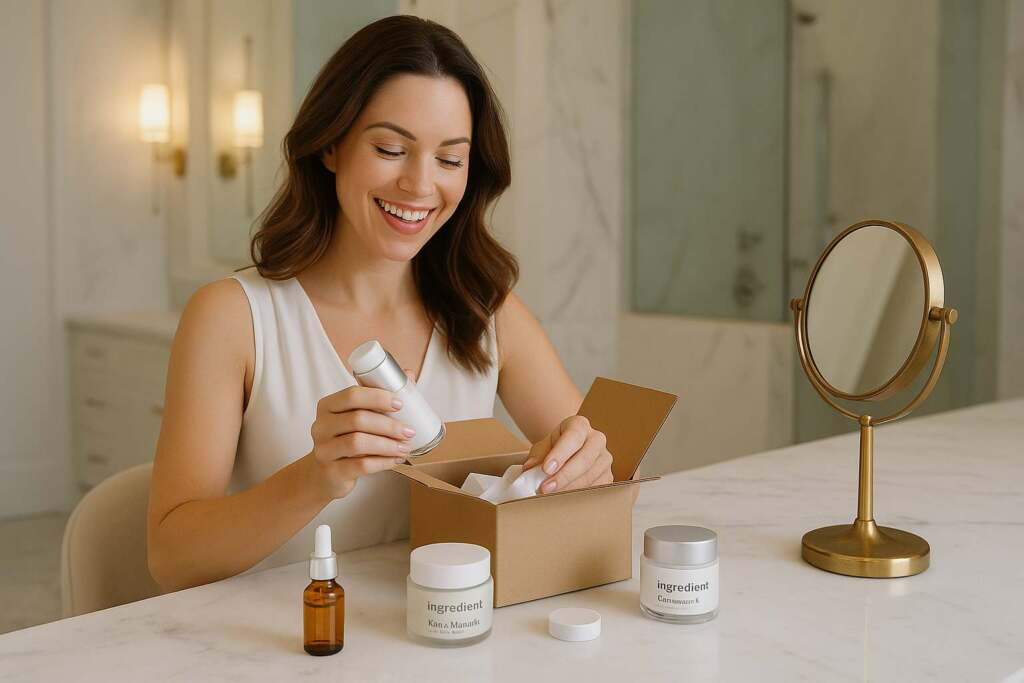
This means consumers should not judge a product only by its label.
Instead, consider:
- What ingredients does it contain?
- What is the product designed to do?
- Is there evidence supporting its ingredients?
- Is it suitable for your skin type?
- Can you tolerate it?
- Are the claims realistic?
- Is professional advice needed?
A well-formulated skincare product does not need an expensive label to be useful.
Is Medical Grade Skincare the Same as Prescription Skincare?
No.
Prescription skincare is medication that requires a prescription from an authorized healthcare professional. It is used to manage specific medical conditions or concerns.
Medical grade skincare is usually a term used for professional or higher-end skincare products.
For example, a dermatologist might recommend a prescription treatment for acne while also recommending a cleanser, moisturizer, and sunscreen.
This creates an important distinction:
Prescription skincare is defined by its medication and legal status, while “medical grade skincare” is commonly used as a marketing or professional-distribution term.
Some skincare products can also fall into different regulatory categories depending on their ingredients and the claims made about them.
Why Is Medical Grade Skincare Popular?
Medical grade skincare has become popular because many consumers want professional-looking results without immediately undergoing cosmetic procedures.
People may search for the best medical grade skincare because they want to address:
- Fine lines
- Wrinkles
- Dark spots
- Acne
- Acne marks
- Uneven skin tone
- Rough skin
- Dryness
- Oily skin
- Enlarged-looking pores
- Sun damage
- Loss of firmness
- Dull-looking skin
- Sensitive skin
Another reason for its popularity is professional guidance.
People often feel more confident purchasing skincare when a dermatologist, aesthetic professional, or other qualified provider recommends a product.
However, professional distribution alone does not guarantee that every product is ideal for every person.
What Makes the Best Medical Grade Skincare?
There is no single product that is best for everyone.
The best medical grade skincare depends on your skin type, skin concern, age, lifestyle, budget, and tolerance.
Several factors can help you make a better decision.
1. Evidence-Based Ingredients
The first thing to consider is the active ingredient.
Look for ingredients that have useful evidence for the specific concern you want to address.
Examples include:
- Retinoids
- Retinol
- Vitamin C
- Niacinamide
- Salicylic acid
- Benzoyl peroxide
- Glycolic acid
- Lactic acid
- Ceramides
- Hyaluronic acid
- Glycerin
- Peptides
Different ingredients have different purposes.
2. Good Formulation
An ingredient can look impressive on a label, but the complete formulation matters.
The formula determines how the product feels, how stable certain ingredients are, and how well it fits into your routine.
A highly active product that causes significant irritation may not be a good choice for you.
3. Skin Compatibility
Your skin type matters.
Someone with oily, acne-prone skin may prefer a lightweight moisturizer.
Someone with dry skin may need a richer cream.
Someone with sensitive skin may need a simpler formula with fewer potential irritants.
4. Consistent Use
A product cannot provide meaningful long-term benefits if you rarely use it.
A simple routine that you can follow consistently may be more useful than a complicated routine containing many expensive products.
5. Realistic Expectations
No skincare product can make normal skin suddenly look completely different overnight.
Healthy skincare usually requires patience.
Some improvements, such as hydration, may appear relatively quickly. Other concerns, such as uneven pigmentation, acne, and fine lines, may take considerably longer.
Best Medical Grade Skincare Ingredients
Understanding ingredients can help you make smarter purchasing decisions.
Retinol and Retinoids
Retinoids are vitamin A-related ingredients commonly used in skincare.
They are among the most discussed ingredients for:
- Fine lines
- Wrinkles
- Uneven texture
- Acne
- Signs of photoaging
- Some pigmentation concerns
Retinol is commonly available without a prescription.
Other retinoids may require professional evaluation and a prescription.
Retinoids can cause dryness, redness, peeling, or irritation, especially when someone starts using them too frequently.
A gradual approach is often easier for beginners.
Vitamin C
Vitamin C is an antioxidant used in many brightening and anti-aging products.
It may help improve the appearance of uneven skin tone and support the skin against environmental oxidative stress.
However, not all vitamin C products are the same.
They can differ in:
- Type of vitamin C
- Concentration
- Stability
- Packaging
- Formula
- Supporting ingredients
A higher concentration does not automatically mean a better product.
Niacinamide
Niacinamide is a form of vitamin B3.
It is a popular skincare ingredient because it can be used for several different skin goals.
It may help support:
- The skin barrier
- Skin hydration
- More even-looking skin
- Oil balance
- Overall skin appearance
Niacinamide is often included in moisturizers, serums, and other daily skincare products.
Hyaluronic Acid
Hyaluronic acid is a humectant.
Humectants help attract and retain water.
This can make the skin feel softer and more hydrated.
Hyaluronic acid is commonly found in:
- Serums
- Moisturizers
- Creams
- Eye products
- Hydrating masks
You do not necessarily need a separate hyaluronic acid serum if your moisturizer already provides enough hydration.
Ceramides
Ceramides are naturally occurring lipids that help support the skin barrier.
They are especially common in moisturizers designed for dry or sensitive skin.
A healthy skin barrier can help reduce excessive moisture loss and improve skin comfort.
If your skin feels tight, rough, flaky, or easily irritated, barrier support may be more important than adding another strong active ingredient.
Salicylic Acid
Salicylic acid is a beta hydroxy acid often used in products for oily and acne-prone skin.
It can help remove excess oil and support clearer-looking pores.
It is commonly found in:
- Cleansers
- Toners
- Serums
- Acne treatments
- Spot treatments
Overuse can cause dryness or irritation, particularly when combined with other exfoliating ingredients.
Benzoyl Peroxide
Benzoyl peroxide is commonly used in acne products.
It can help reduce acne-causing bacteria and inflammation and is frequently included in acne treatment routines.
It can also be drying and may irritate sensitive skin.
It can bleach fabrics, so users should be careful with towels, clothing, and bedding.
Alpha Hydroxy Acids
Alpha hydroxy acids, or AHAs, include:
- Glycolic acid
- Lactic acid
- Mandelic acid
They are commonly used to exfoliate the skin and improve the appearance of rough texture and uneven tone.
Strong or frequent exfoliation is not appropriate for everyone.
If your skin is already irritated or damaged, adding an exfoliating acid may make the problem worse.
Peptides
Peptides are short chains of amino acids used in many skincare formulas.
They are particularly popular in anti-aging skincare.
Peptide products can vary considerably in formulation and purpose.
Instead of buying a product simply because it contains peptides, consider the entire ingredient list and what the product is designed to accomplish.
Best Medical Grade Skincare Routine for Beginners
A beginner does not need a complicated skincare routine.
Start with the basics.
Morning Routine
Step 1: Gentle Cleanser
Use a mild cleanser when cleansing is needed.
Avoid harsh scrubbing.
If your skin is very dry or sensitive, you may not need an aggressive morning cleanse.
Step 2: Treatment Product
Depending on your goal, this could be a vitamin C, niacinamide, or another appropriate treatment.
There is no need to use several serums at once.
Step 3: Moisturizer
Choose a moisturizer that matches your skin.
Dry skin may prefer a cream.
Oily skin may prefer a lightweight lotion or gel.
Sensitive skin may benefit from a simple fragrance-free moisturizer.
Step 4: Sunscreen
Daily sunscreen is one of the most important steps in a skincare routine.
Choose a broad-spectrum sunscreen with SPF 30 or higher.
Apply enough to cover exposed skin and reapply as appropriate when spending time outdoors.
Best Medical Grade Skincare Routine at Night
A basic nighttime routine can also be simple.
Step 1: Cleanse
Remove sunscreen, makeup, oil, and daily buildup.
Step 2: Treatment
Use one appropriate active ingredient if needed.
For example, some people may use retinol or another treatment at night.
Step 3: Moisturizer
Finish with a moisturizer to support hydration and skin comfort.
If an active treatment causes dryness, moisturizer can become especially important.
Best Medical Grade Skincare for Aging Skin
Aging is a natural process.
Over time, the skin can develop:
- Fine lines
- Wrinkles
- Dryness
- Uneven pigmentation
- Rough texture
- Reduced firmness
- Sun-related changes
A useful anti-aging routine should focus on prevention and gradual improvement.
The most important elements are usually:
- Sun protection
- Moisture
- Skin barrier support
- Appropriate active ingredients
- Consistency
Retinoids are widely used in anti-aging skincare because of their ability to address several visible signs of skin aging.
However, they are not right for everyone.
If you have sensitive skin or are unsure how to use a retinoid, professional guidance can be helpful.
Best Medical Grade Skincare for Acne
Acne is one of the most common reasons people search for professional skincare.
Common ingredients used in acne routines include:
- Salicylic acid
- Benzoyl peroxide
- Retinoids
- Niacinamide
- Gentle cleansers
- Non-comedogenic moisturizers
One common mistake is trying to dry the skin as much as possible.
Excessive dryness can make the skin uncomfortable and may lead people to abandon their routine.
A balanced approach is usually better.
If you have deep, painful, persistent, or scarring acne, professional medical treatment may be necessary.
Best Medical Grade Skincare for Dark Spots
Dark spots can have many causes.
They may develop after acne, sun exposure, inflammation, hormonal changes, or other skin events.
Ingredients often used in routines for uneven pigmentation include:
- Vitamin C
- Retinoids
- Niacinamide
- Exfoliating acids
- Other dermatologist-recommended treatments
Sunscreen is particularly important.
Without consistent sun protection, pigmentation can continue to become more noticeable.
If a dark spot changes in size, shape, color, or appearance, it should not automatically be treated as a cosmetic problem. A healthcare professional should evaluate suspicious skin changes.
Best Medical Grade Skincare for Sensitive Skin
Sensitive skin needs a gentle approach.
Instead of using several powerful products, focus on reducing irritation.
Look for:
- Fragrance-free products
- Gentle cleansers
- Simple moisturizers
- Barrier-supporting ingredients
- Appropriate sunscreen
Introduce new products one at a time.
This makes it easier to identify what causes irritation.
If a product produces severe burning, swelling, blistering, or a significant rash, discontinue use and seek appropriate medical advice.
Best Medical Grade Skincare for Dry Skin
Dry skin usually benefits from hydration and barrier support.
Useful ingredients can include:
- Ceramides
- Glycerin
- Hyaluronic acid
- Squalane
- Petrolatum
- Other moisturizing ingredients
A dry skin routine may include a gentle cleanser, rich moisturizer, and daily sunscreen.
Avoid excessive exfoliation.
Sometimes people mistake dry, flaky skin for a need for stronger exfoliation. In reality, the skin may need more moisture and less irritation.
Best Medical Grade Skincare for Oily Skin
Oily skin produces more sebum, but it can still become dehydrated.
Avoid using extremely harsh cleansers simply to remove oil.
A balanced routine may include:
- Gentle cleanser
- Lightweight moisturizer
- Non-comedogenic sunscreen
- Targeted acne treatment when necessary
The goal is not to remove every trace of oil.
The goal is to keep the skin clean, comfortable, and balanced.
Best Medical Grade Skincare for Men
Men can benefit from the same basic skincare principles as women.
A simple routine may include:
Morning
- Cleanser
- Moisturizer
- Sunscreen
Evening
- Cleanser
- Targeted treatment
- Moisturizer
Men who shave may also need to pay attention to shaving-related irritation, ingrown hairs, and dryness.
There is no need for a completely separate category of skincare simply because of gender.
Skin type and skin concerns are more important.
Medical Grade Skincare vs. Drugstore Skincare
Many people assume that medical grade products must be better than drugstore products.
That is not necessarily true.
Drugstore skincare can contain well-studied ingredients and effective formulas.
Medical grade skincare can also contain high-quality formulas.
The difference may involve:
- Distribution
- Packaging
- Formulation
- Ingredient combinations
- Professional guidance
- Brand positioning
- Research
- Price
Instead of comparing products based only on where they are sold, compare their ingredients and intended purposes.
Is Expensive Medical Grade Skincare Better?
Not automatically.
Price can be influenced by:
- Packaging
- Branding
- Advertising
- Research and development
- Distribution
- Retail margins
- Ingredient costs
- Professional sales channels
A $150 serum is not automatically better than a $30 serum.
The best product is one that contains useful ingredients, suits your skin, fits your budget, and can be used consistently.
How to Choose the Best Medical Grade Skincare
Follow this simple process.
Step 1: Identify Your Main Skin Concern
Choose your most important goal.
For example:
- Acne
- Dryness
- Dark spots
- Fine lines
- Wrinkles
- Sensitivity
- Uneven texture
Step 2: Start With the Basics
Build your foundation with:
- Cleanser
- Moisturizer
- Sunscreen
Step 3: Choose One Active Ingredient
Select an ingredient that addresses your main concern.
Do not start five new treatments at the same time.
Step 4: Introduce It Slowly
Some active ingredients can cause irritation when introduced too quickly.
Start gradually and follow product directions.
Step 5: Monitor Your Skin
Pay attention to:
- Redness
- Dryness
- Burning
- Peeling
- Breakouts
- Improvement
- Overall comfort
Step 6: Adjust as Needed
If your skin is irritated, simplify your routine.
If your concern is not improving, consider speaking with a dermatologist.
How to Read a Medical Grade Skincare Label
Learning how to read skincare labels is an important part of becoming a smarter consumer.
Look for the full ingredient list.
Ask:
What is the main active ingredient?
Is it appropriate for your skin concern?
What is the product designed to do?
Is it a moisturizer, exfoliant, cleanser, sunscreen, or treatment?
Are the claims realistic?
Be careful with claims such as:
- “Erases all wrinkles”
- “Instantly reverses aging”
- “Permanently removes dark spots”
- “Repairs skin overnight”
These statements can create unrealistic expectations.
Is the product suitable for your skin type?
A highly active formula may not be appropriate for sensitive skin.
Common Medical Grade Skincare Mistakes
Using Too Many Products
A complicated routine can create irritation.
It can also make it difficult to identify which product is causing a reaction.
Starting With Strong Ingredients
Beginners sometimes assume that stronger products provide faster results.
This can backfire.
A gradual routine is often easier to tolerate.
Skipping Moisturizer
Even oily or acne-prone skin can need hydration.
A suitable moisturizer can help maintain skin comfort and support the skin barrier.
Forgetting Sunscreen
Using expensive anti-aging products while skipping sunscreen is a major skincare mistake.
Sun protection should be part of a long-term skincare strategy.
Expecting Overnight Results
Skin takes time to change.
Consistency is more important than constantly switching products.
Confusing Irritation With Effectiveness
Burning and severe peeling are not proof that a product is working.
If your skin becomes severely irritated, stop using the product and seek professional advice when appropriate.
Can Medical Grade Skincare Replace a Dermatologist?
No.
Skincare can support the appearance and health of the skin, but it cannot replace medical evaluation.
Consider seeing a dermatologist if you have:
- Severe acne
- Painful acne
- Acne scars
- Persistent redness
- A chronic rash
- Severe itching
- Unexplained skin changes
- Suspicious moles or growths
- Rapidly changing spots
- Persistent pigmentation
- Skin problems that do not improve with basic care
A dermatologist can determine whether you need skincare, prescription medication, a procedure, or another type of treatment.
Medical Grade Skincare and Professional Treatments
Professional skincare is sometimes used alongside cosmetic procedures.
These can include:
- Chemical peels
- Laser treatments
- Microneedling
- Cosmetic injections
- Other dermatology procedures
Your skincare routine may need to change before or after these treatments.
Do not assume that strong exfoliants or retinoids are safe immediately after every procedure.
Follow the specific instructions provided by your healthcare or skincare professional.
Medical Grade Skincare Safety Tips
Safety should always come before stronger results.
Introduce Products Gradually
Add one major new active at a time.
Follow Directions
Do not automatically use more product than recommended.
Protect Your Skin
Use appropriate sun protection, especially when using products that may increase sensitivity.
Be Careful With Sensitive Skin
Fragrance, exfoliating acids, retinoids, and other active ingredients can cause irritation in some people.
Check Product Storage Instructions
Some skincare ingredients can be affected by heat, light, moisture, or air.
Store products according to the manufacturer’s instructions.
Medical Grade Skincare During Pregnancy
Pregnancy can affect which skincare ingredients are appropriate.
If you are pregnant, trying to become pregnant, or breastfeeding, talk with your healthcare professional before starting or continuing certain active skincare ingredients.
Do not assume that an ingredient is safe simply because the product is sold without a prescription.
How Many Skincare Products Do You Really Need?
Most people do not need a large collection of skincare products.
A practical routine can often be built around four basic categories:
- Cleanser
- Treatment
- Moisturizer
- Sunscreen
Additional products can be added if they have a clear purpose.
For example, someone with acne may need an acne treatment.
Someone with significant dryness may need a richer moisturizer.
Someone concerned about pigmentation may add a targeted brightening treatment.
The goal is purposeful skincare rather than product overload.
Can You Mix Medical Grade Skincare Products?
Sometimes, but caution is important.
Certain active ingredients can work well together, while others may increase irritation when combined.
For example, using several exfoliating acids with a retinoid may be too irritating for some people.
A safer strategy is to introduce products individually.
If you are uncertain about combining active ingredients, ask a dermatologist or qualified healthcare professional.
How Long Does Medical Grade Skincare Take to Work?
The answer depends on the product and the concern.
Hydration may improve relatively quickly.
Acne and pigmentation often require more time.
Fine lines and texture changes may also require consistent long-term use.
Do not judge a product solely by a few days of use.
At the same time, you should not continue using a product that causes persistent or severe irritation simply because you expect future results.
What Is the Best Medical Grade Skincare Routine?
There is no universal routine.
However, a simple routine for many adults can look like this:
Morning
- Gentle cleanser
- Optional targeted treatment
- Moisturizer
- Broad-spectrum SPF 30 or higher
Evening
- Gentle cleanser
- One targeted treatment
- Moisturizer
This simple structure can be modified based on your skin type and goals.
Best Medical Grade Skincare by Skin Concern
| Skin Concern | Helpful Ingredients to Consider | Basic Priority |
| Dry skin | Ceramides, glycerin, hyaluronic acid, squalane | Hydration and barrier support |
| Oily skin | Niacinamide, salicylic acid | Oil control and gentle cleansing |
| Acne | Benzoyl peroxide, salicylic acid, retinoids | Consistent acne care |
| Fine lines | Retinoids, antioxidants, peptides | Sun protection and long-term care |
| Dark spots | Vitamin C, niacinamide, retinoids | Treatment and sun protection |
| Rough texture | AHAs, retinoids | Controlled exfoliation |
| Sensitive skin | Ceramides, glycerin, simple moisturizers | Reduce irritation |
| Sun damage | Sunscreen, antioxidants, retinoids | Prevention and professional care |
How to Get Better Results From Medical Grade Skincare
Good skincare is not only about buying the right products.
Your habits also matter.
Use sunscreen regularly
UV exposure can contribute to premature skin aging and pigmentation.
Avoid unnecessary irritation
Healthy skin does not need to be constantly exfoliated.
Stay consistent
Use products regularly according to their directions.
Keep your routine simple
A routine that you understand is easier to follow.
Give products reasonable time
Avoid changing your entire routine every few days.
Seek professional help when necessary
Some skin concerns require medical treatment rather than cosmetic products.
Medical Grade Skincare and Online Shopping
Buying skincare online can be convenient, but consumers should be careful.
Potential problems include:
- Counterfeit products
- Expired products
- Improper storage
- Misleading claims
- Unauthorized sellers
- Incorrect product descriptions
Purchase from reputable retailers and verify product information when possible.
Be especially cautious when a website promises dramatic medical results without explaining how the product works.
How to Avoid Skincare Marketing Traps
Marketing can make ordinary ingredients sound revolutionary.
Be cautious with terms such as:
- Medical grade
- Professional grade
- Clinical strength
- Advanced formula
- Dermatologist formulated
- Luxury skincare
- Pharmaceutical quality
These terms do not automatically prove that a product will work better for your skin.
Instead, focus on the actual formulation.
Ask:
What does this product contain, and why would those ingredients help my skin?
That question is much more useful than asking whether a product looks professional.
Frequently Asked Questions About Best Medical Grade Skincare
1. Can I use medical grade skincare every day?
Some medical grade skincare products are designed for daily use, while others are intended to be used less frequently. Follow the product instructions and pay attention to how your skin responds. Strong active ingredients may need to be introduced gradually.
2. Should I stop using medical grade skincare if my skin starts peeling?
Mild peeling can occur with some active ingredients, but significant peeling, burning, redness, or discomfort may indicate irritation. Consider stopping the irritating product and simplifying your routine. If the reaction is severe or persistent, seek professional medical advice.
3. Does medical grade skincare work for all skin tones?
Skincare ingredients can be used across different skin tones, but pigmentation concerns can behave differently depending on a person’s skin. Irritation can sometimes make pigmentation more noticeable, so people prone to dark marks should be especially careful with aggressive treatments.
4. Can I use medical grade skincare on my neck?
Some skincare products can be used on the neck, but the neck may be more sensitive than the face. Start cautiously, especially with retinoids and exfoliating acids. Sunscreen should also be applied to exposed neck skin.
5. Should I use the same medical grade skincare routine all year?
Not necessarily. Skin can respond differently during hot, humid, cold, or dry weather. You may need a lighter moisturizer during warm weather and more barrier support during dry seasons. Active ingredients may also need adjustment if your skin becomes more sensitive.
Conclusion
Finding the best medical grade skincare does not require choosing the most expensive brand or the strongest formula.
The best approach is to understand what your skin needs and select products based on useful ingredients, appropriate formulation, safety, and realistic expectations.
A strong skincare routine usually starts with the basics: gentle cleansing, moisturizing, and daily sun protection. Targeted ingredients such as retinoids, vitamin C, niacinamide, salicylic acid, ceramides, hyaluronic acid, peptides, and exfoliating acids can then be added when they serve a specific purpose.
Remember that “medical grade” is not a guarantee of superior results. Professional skincare products can be useful, but drugstore products can also contain effective ingredients. What matters most is whether the product is appropriate for your skin and whether you can use it consistently.
For persistent acne, unusual pigmentation, severe irritation, suspicious skin growths, or other ongoing skin concerns, professional dermatology care is often the safest choice.
Ultimately, the best medical grade skincare routine is not the one with the most products. It is the one that meets your skin’s needs, protects your skin barrier, fits your lifestyle and budget, and can be followed consistently over time.