
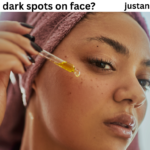
How to Hide Dark Spots on Face? Easy Makeup and Skincare Tips
September 5, 2026
Does Mixsoon Centella Cleansing Foam Really Help Clean and Soothe Skin?
September 7, 2026
Combination skin can be confusing. One part of your face may look shiny and oily, while another part feels dry, tight, or flaky. You may have enlarged-looking pores around your nose but dry cheeks. You may also experience occasional acne without wanting to use products that make the rest of your face feel uncomfortable.
This is why finding good skin care products for combination skin is not simply about choosing products labeled “for oily skin” or “for dry skin.” Combination skin needs balance.
The best approach is usually to keep the basic routine gentle and consistent, then make small adjustments for different areas of the face. A lightweight moisturizer may work well over most of the face, while a richer moisturizer can be used only on dry areas. Likewise, an acne-fighting ingredient may be useful around congested areas without needing to cover the entire face.
Combination skin does not need a complicated 10-step routine. In fact, using too many products can make it harder to understand what is helping and what is causing irritation.
This guide explains how to choose good skin care products for combination skin, which ingredients are worth looking for, which products may be too harsh, how to build a morning and nighttime routine, and how to adjust your routine throughout the year.
What Is Combination Skin?
Combination skin is a skin type in which different areas of the face have different characteristics.
The most common pattern is an oilier forehead, nose, and chin, often called the T-zone, combined with normal or drier cheeks.
However, combination skin does not look exactly the same for everyone.
Some people have:
- Very oily skin around the nose and forehead
- Dry cheeks
- Normal skin around the jaw
- Occasional acne
- Visible pores around the nose
- Dryness around the mouth
- Uneven skin texture
- Mild sensitivity after cleansing
Other people may have an oily T-zone but generally normal skin everywhere else.
This difference matters when choosing skin care products.
A cleanser that is strong enough to remove excessive oil from the forehead may leave the cheeks feeling tight. On the other hand, a very rich cleanser may feel comfortable on dry cheeks but leave the T-zone feeling greasy.

The goal is not to completely remove oil.
The goal is to keep the skin clean, comfortable, hydrated, and protected without unnecessarily irritating it.
The American Academy of Dermatology describes combination skin as dry in some areas and oily in others. It also recommends choosing products according to your particular skin type rather than assuming one product works equally well for everyone.
Why Is Combination Skin So Difficult to Manage?
The main challenge is that your entire face does not necessarily need the same treatment.
Think of your face as several small zones instead of one surface.
Your forehead might need oil control.
Your cheeks might need more hydration.
Your nose might need help with clogged pores.
The area around your mouth might need gentle care.
This means a good combination-skin routine should be flexible.
One of the biggest mistakes people make is trying to force their entire face into one category.
For example, someone notices oily skin and begins using a strong foaming cleanser, clay mask, toner, exfoliant, and acne treatment every day.
Also Read: How to Hide Dark Spots on Face? Easy Makeup and Skincare Tips
The T-zone may initially feel cleaner.
But the cheeks can become dry and uncomfortable.
Another common mistake is doing the opposite. Someone notices dry cheeks and starts using heavy creams and facial oils everywhere. The cheeks may feel better, but the T-zone can become greasy or congested.
A better strategy is moderation.
Use gentle products across the face and targeted products only where they are needed.
What Are the Best Skin Care Products for Combination Skin?
Good skin care products for combination skin generally fall into five main categories:
- Gentle cleanser
- Lightweight moisturizer
- Targeted treatment when needed
- Broad-spectrum sunscreen
- Optional products for specific concerns
The most important thing is not buying the largest number of products.
A simple routine can be highly effective.
The American Academy of Dermatology notes that cleansing, moisturizing, and sun protection form a practical foundation for skin care and that expensive products are not automatically more effective.
Best Cleanser for Combination Skin
A cleanser is the first product to consider.
For combination skin, look for a cleanser that removes excess oil, sunscreen, makeup, sweat, and everyday dirt without leaving the face feeling stripped.
A gentle gel or low-foaming cleanser can be a good choice for many people with combination skin.
You generally want to avoid the feeling that your skin is “squeaky clean.”
That tight feeling is not necessarily a sign that the cleanser worked well.
It can be a sign that the cleanser is removing too much from the skin.
Dermatologists recommend gentle cleansing and generally advise against harsh scrubbing. The AAD recommends washing gently with warm water and using your fingertips rather than aggressively rubbing the skin.
What to Look for in a Combination-Skin Cleanser
Useful features include:
- Gentle cleansing agents
- Glycerin
- Ceramides
- Hyaluronic acid
- Low-fragrance or fragrance-free formulas
- Non-comedogenic formulas when you are prone to clogged pores
- A texture that rinses clean without leaving the skin tight
A cleanser containing salicylic acid can also be useful if clogged pores and acne are major concerns.
However, not everyone with combination skin needs an exfoliating cleanser every day.
If your cheeks become dry or irritated, reduce the frequency or switch to a simpler cleanser.
Should Combination Skin Use a Foaming Cleanser?
It depends on the formula.
“Foaming” does not automatically mean bad.
A gentle foaming cleanser can be useful for people with an oily T-zone.
The problem is excessive cleansing.
If your face feels comfortable after washing, that is generally a better sign than how much foam the product creates.
If your cheeks feel tight, itchy, burning, or unusually dry after cleansing, the cleanser may be too aggressive for your skin.
Try using less cleanser, washing with lukewarm water, or switching to a gentler formula.
Best Moisturizer for Combination Skin
Many people with combination skin make the mistake of skipping moisturizer because their forehead or nose is oily.
That can be counterproductive.
Oily skin can still become dehydrated or irritated.
Moisturizer helps support the skin barrier and reduce water loss. The key is choosing a texture that feels comfortable rather than excessively heavy.
For many people with combination skin, a lightweight lotion, gel-cream, or light cream is a good starting point.
Look for ingredients such as:
- Glycerin
- Hyaluronic acid
- Ceramides
- Dimethicone
- Panthenol
- Squalane
- Niacinamide
The best moisturizer is not necessarily the thickest one.
Instead, think about where you need moisture.
You might apply one lightweight moisturizer across your entire face and add a second layer only to your cheeks during dry weather.
The AAD recommends moisturizing even when the skin is oily and notes that moisturizer helps trap water in the skin.
Why Ceramides Can Be Helpful for Combination Skin
Ceramides are lipids naturally found in the skin barrier.
They are widely used in moisturizers designed to support barrier function.
Combination skin can benefit from barrier-supporting ingredients because excessive cleansing and frequent exfoliation can leave certain areas dry and uncomfortable.
This is especially important if your skin feels oily in one area but tight in another.
A moisturizer containing ceramides may provide hydration without requiring an extremely heavy formula.
Is Hyaluronic Acid Good for Combination Skin?
Hyaluronic acid is a popular hydrating ingredient and can work well for combination skin.
It is a humectant, meaning it helps attract and hold water.
It does not have to make your skin greasy.
That makes lightweight hydrating products containing hyaluronic acid attractive to people who want moisture without a heavy facial oil or thick cream.
However, hyaluronic acid does not mean you can skip moisturizer.
A hydrating serum and a moisturizer serve different roles in a routine.
A practical combination-skin routine might use a hydrating serum followed by a lightweight moisturizer.
But if your moisturizer already provides enough hydration, you may not need a separate serum.
Is Niacinamide Good for Combination Skin?
Niacinamide is one of the more versatile ingredients to consider when choosing products for combination skin.
It is a form of vitamin B3 and is used in many skin care formulas.
It can be useful for people who want to support the skin barrier while also addressing concerns such as visible oiliness and uneven-looking skin.
The advantage of niacinamide is that it can fit into a simple routine without requiring multiple separate products.
For combination skin, a moisturizer or serum containing a moderate amount of niacinamide may be easier to use than adding several different active ingredients.
More is not always better.
If a product causes redness, burning, or irritation, stop using it and simplify your routine.
Should You Use Salicylic Acid on Combination Skin?
Salicylic acid can be useful when combination skin also has clogged pores, blackheads, or acne.
It belongs to the beta hydroxy acid family and is commonly used in acne-focused products.
The AAD identifies salicylic acid as a chemical exfoliant that can help unclog pores.
But there is an important distinction.
You do not necessarily need to apply salicylic acid to every part of your face.
If your main concern is clogged pores around your nose and forehead, targeted use may make more sense.
This is one of the most useful strategies for combination skin:
Treat the problem area instead of treating the entire face as a problem.
Can Combination Skin Use Retinol?
Combination skin can use retinol, but beginners should introduce it slowly.
Retinol is a vitamin A derivative commonly used for concerns such as acne, uneven texture, and visible signs of skin aging.
However, retinoids can cause dryness and irritation, especially when introduced too quickly.
If you already have dry cheeks, using retinol aggressively across your face may make the problem worse.
A gradual approach is usually more sensible.
Start with a low-strength product and use it only a few nights per week.
Avoid introducing multiple active ingredients at the same time.
If your skin becomes very irritated, stop the active product and return to a basic routine of gentle cleansing, moisturizing, and sunscreen.
What Is the Best Sunscreen for Combination Skin?
Sunscreen is one of the most important products in any skin care routine.
For combination skin, look for a sunscreen that is:
- Broad spectrum
- SPF 30 or higher
- Water resistant when appropriate
- Comfortable enough to use every day
- Non-comedogenic if you are prone to clogged pores
- Compatible with your makeup, if you wear makeup
The AAD recommends broad-spectrum sunscreen with SPF 30 or higher, and its current guidance emphasizes water resistance as well.
A lightweight fluid or gel sunscreen may feel better on an oily T-zone.
A creamier sunscreen may be more comfortable if your cheeks are dry.
There is no rule saying combination skin must use one particular sunscreen texture.
The best sunscreen is one you can apply generously and consistently.
Mineral vs. Chemical Sunscreen for Combination Skin
Both mineral and chemical sunscreens can provide effective UV protection.
Mineral sunscreens commonly use zinc oxide and/or titanium dioxide.
Chemical sunscreens use other UV-filtering active ingredients.
Current AAD guidance notes that mineral, chemical, and hybrid sunscreens can all be effective when they provide broad-spectrum protection and SPF 30 or higher.
People with sensitive skin may prefer mineral formulas because zinc oxide and titanium dioxide can be less irritating for some individuals.
But personal comfort matters.
If a sunscreen causes burning or irritation, another formula may be a better fit.
What Does Non-Comedogenic Mean?
“Non-comedogenic” generally means a product is formulated with the goal of reducing the likelihood of clogged pores.
This label can be useful for combination skin, particularly when the oily areas are prone to acne or congestion.
The AAD recommends looking for terms such as “non-comedogenic,” “non-acnegenic,” “oil-free,” or “won’t clog pores” when choosing products for acne-prone skin.
However, no label guarantees that a product will work perfectly for every person.
Individual skin reactions vary.
If a product repeatedly causes bumps or irritation, stop using it even if the label says non-comedogenic.
Best Morning Skin Care Routine for Combination Skin
A good morning routine does not need to be complicated.
A simple routine can look like this:
Step 1: Gentle Cleanser
Wash your face with a gentle cleanser.
If your skin is not particularly oily in the morning, you may not need an aggressive cleansing step.
The goal is to start the day with comfortable, clean skin.
Step 2: Hydrating Serum
This step is optional.
If your skin feels dehydrated, you might use a lightweight serum containing ingredients such as glycerin, hyaluronic acid, or niacinamide.
If your moisturizer already provides enough hydration, skip the serum.
Step 3: Moisturizer
Apply a lightweight moisturizer.
Use more on dry areas and less on areas that become oily quickly.
Step 4: Sunscreen
Finish with broad-spectrum SPF 30 or higher.
Sunscreen should be the final step before makeup.
When spending time outdoors, reapplication is important. The AAD recommends reapplying sunscreen every two hours while outdoors and after swimming or sweating, depending on the sunscreen’s water-resistance instructions.
Best Night Skin Care Routine for Combination Skin
Nighttime is an opportunity to keep your routine simple and address specific concerns.
A basic evening routine can be:
- Cleanser
- Treatment, if needed
- Moisturizer
If you wear makeup or water-resistant sunscreen, make sure your cleansing routine removes it properly.
You do not necessarily need several cleansers or exfoliating products.
If Your Main Concern Is Oily Skin
Use a gentle cleanser and lightweight moisturizer.
Consider adding niacinamide or salicylic acid if appropriate.
Do not automatically use harsh products simply because your skin becomes shiny.
If Your Main Concern Is Dry Cheeks
Prioritize gentle cleansing and barrier-supporting moisturizer.
Look for ingredients such as ceramides, glycerin, hyaluronic acid, and dimethicone.
You can apply a thicker layer of moisturizer to dry areas.
If Your Main Concern Is Acne
Choose non-comedogenic products.
Depending on the type and severity of acne, ingredients such as salicylic acid or benzoyl peroxide may be useful.
The AAD notes that benzoyl peroxide can reduce acne-causing bacteria and is widely used in acne treatment.
Persistent or painful acne may require professional treatment.
How to Build a Skin Care Routine Without Overdoing It
One of the biggest lessons for combination skin is that more products do not automatically produce better skin.
Imagine starting five new products at the same time.
Your skin becomes irritated.
Which product caused the problem?
You may not know.
Instead, introduce products gradually.
Start with:
- Gentle cleanser
- Moisturizer
- Sunscreen
Use that routine consistently.
Then add one treatment at a time.
Give your skin an opportunity to show you how it responds.
This approach is slower, but it is much easier to manage.
The AAD similarly advises against using too many products because multiple products can irritate the skin.
Best Ingredients for Combination Skin
Different ingredients can serve different purposes.
Here is a practical way to think about them.
Glycerin
Glycerin is a humectant that helps attract water.
It can be useful when your skin feels dry without wanting a heavy product.
Hyaluronic Acid
Hyaluronic acid helps provide hydration and can work well in lightweight formulas.
Ceramides
Ceramides support the skin barrier and can be particularly useful when parts of the face feel dry or irritated.
Niacinamide
Niacinamide can be useful for people dealing with oiliness, uneven-looking skin, and barrier concerns.
Salicylic Acid
Salicylic acid can help with clogged pores and acne-prone areas.
Use it thoughtfully because excessive exfoliation can cause irritation.
Benzoyl Peroxide
Benzoyl peroxide is commonly used for acne.
It may be more appropriate for someone whose combination skin includes active acne rather than someone who simply has an oily forehead.
Retinol
Retinol can be useful for certain acne, texture, and aging concerns but should be introduced slowly.
Zinc Oxide
Zinc oxide is a mineral sunscreen active ingredient and may be a good choice for people who prefer mineral sunscreen.
Ingredients to Be Careful With
Combination skin does not automatically require avoiding specific ingredients.
However, some formulas can be irritating when used excessively.
Be cautious with:
- Strong physical scrubs
- Excessive exfoliating acids
- Very drying alcohol-heavy products
- Strongly fragranced products if your skin is sensitive
- Multiple acne treatments at the same time
- Frequent clay masks
- Aggressive cleansing
The AAD specifically recommends gentle, fragrance-free skin care for very dry or sensitive skin and warns that irritating products can worsen dryness.
Are Facial Scrubs Good for Combination Skin?
Usually, you do not need a rough facial scrub to manage combination skin.
Physical scrubbing can make skin feel temporarily smooth, but aggressive rubbing can irritate the skin.
If you need exfoliation, a properly formulated chemical exfoliant may be easier to control.
Even then, start slowly.
Combination skin can be oily and still have a damaged or irritated skin barrier.
Oiliness does not mean your skin can tolerate unlimited exfoliation.
Are Clay Masks Good for Combination Skin?
Clay masks can be useful for oily areas because clay can absorb oil.
But using a clay mask over your entire face may be unnecessary if your cheeks are dry.
A better strategy is targeted use.
Apply a clay mask to the T-zone if that is where excess oil is concentrated.
Leave dry areas alone or use a hydrating product there.
The AAD notes that clay ingredients such as kaolin and bentonite can help absorb oil, while also emphasizing that masks are not a substitute for the basic routine of cleansing, moisturizing, and sun protection.
How Often Should You Wash Combination Skin?
For many people, washing twice daily and after significant sweating is sufficient.
The important part is how you wash.
Use lukewarm rather than very hot water.
Use your fingertips.
Do not aggressively scrub.
Rinse well.
Pat your skin dry rather than rubbing it.
The AAD recommends gentle washing and generally advises limiting face washing to twice daily and after sweating to help reduce irritation.
How Does Weather Affect Combination Skin?
Combination skin can change with the seasons.
In summer, humidity and heat may make your T-zone look more oily.
You may prefer lighter moisturizers and lighter sunscreen textures.
In winter, cold air, indoor heating, and low humidity can increase dryness.
Your cheeks may need more moisturizer while your T-zone remains relatively oily.
This does not necessarily mean you need a completely new routine.
You can adjust textures.
For example, use the same gentle cleanser but switch from a gel moisturizer to a richer cream during colder months.
The AAD notes that cold and dry conditions can disrupt the skin barrier and recommends gentle moisturizing products during winter.
How to Choose Good Skin Care Products for Combination Skin on a Budget
You do not need expensive products.
A budget-friendly routine can still be effective.
Spend your money where it matters most.
A practical priority order is:
- Gentle cleanser
- Moisturizer
- Sunscreen
- Targeted treatment
Do not assume a higher price means better results.
The AAD specifically notes that effective skin care products can be found at different price levels.
A $15 moisturizer that works for you is more useful than a $100 moisturizer that irritates your skin.
How to Read a Skin Care Label
Marketing language can make choosing products confusing.
Instead of focusing only on phrases such as “glowing skin,” “pore perfecting,” or “deep detox,” look at the ingredient list and product purpose.
Ask:
- Is this product a cleanser, moisturizer, treatment, or sunscreen?
- Does it contain ingredients relevant to my concern?
- Is it likely to be too harsh for my dry areas?
- Is it non-comedogenic if I have clogged pores?
- Does the product contain fragrance that might irritate me?
- Can I realistically use it consistently?
This approach is more useful than buying a product simply because it is trending online.
Also Read: How to Get Clear Skin for Men?A Simple Guide That Actually Works
What Is the Ideal Combination Skin Routine?
For many people, an effective routine can be surprisingly simple.
Morning
Gentle cleanser
Lightweight moisturizer
Broad-spectrum SPF 30+ sunscreen
Evening
Gentle cleanser
One targeted treatment, if needed
Moisturizer
Weekly
Optional targeted exfoliation or mask depending on your skin’s needs
That is enough for many people.
You do not need to use every popular ingredient.
A Practical Routine for Oily Combination Skin
If your T-zone becomes very oily but your cheeks are normal, try:
Morning:
Gentle cleanser
Lightweight moisturizer
Non-comedogenic sunscreen
Evening:
Gentle cleanser
Niacinamide or another suitable treatment
Lightweight moisturizer
If clogged pores remain a problem, consider adding salicylic acid a few times per week instead of immediately using it every day.
A Practical Routine for Dry Combination Skin
If your cheeks are dry but your T-zone is oily:
Morning:
Gentle cleanser
Hydrating serum if needed
Light moisturizer
Sunscreen
Evening:
Gentle cleanser
Hydrating treatment if desired
Barrier-supporting moisturizer
You can apply an additional thin layer of moisturizer to dry cheeks.
A Practical Routine for Acne-Prone Combination Skin
If you have combination skin and acne:
Morning:
Gentle cleanser
Lightweight moisturizer
Non-comedogenic SPF 30+ sunscreen
Evening:
Gentle cleanser
One acne treatment
Moisturizer
Avoid stacking several strong acne products unless a dermatologist recommends it.
If acne is persistent, painful, cystic, or leaving scars, professional evaluation is a better approach than continually adding new products.
What Should You Do If Your Skin Is Oily and Dry at the Same Time?
This is one of the most common questions about combination skin.
The answer is not to dry out the oily area.
Instead, reduce unnecessary irritation and provide appropriate hydration.
Use a gentle cleanser.
Use a lightweight moisturizer.
Treat clogged pores selectively.
Use sunscreen.
If necessary, use different amounts of moisturizer in different areas.
Your forehead may need a thin layer.
Your cheeks may need more.
That is completely acceptable.
Skin care does not have to be identical on every part of your face.
Can Combination Skin Become Dehydrated?
Yes.
Oil and water are not the same thing.
Your skin can produce oil while still lacking adequate water or having a compromised barrier.
This is why someone may say:
“My face is oily, but it also feels tight.”
That does not necessarily mean you need stronger oil control.
It may mean your routine is too aggressive.
Consider simplifying your products and focusing on gentle cleansing and hydration.
Signs Your Skin Care Routine Is Too Harsh
Watch for:
- Persistent tightness
- Burning
- Stinging
- Flaking
- Increased redness
- Unusual sensitivity
- Sudden roughness
- Skin feeling uncomfortable after washing
If these symptoms appear after adding a new product, stop and return to a basic routine.
The goal of skin care is not to make your face feel stripped.
Healthy-looking skin usually benefits from consistency and barrier support.
How Long Does It Take to See Results?
Skin care rarely works overnight.
Hydration can improve relatively quickly, but concerns such as acne, uneven texture, or visible signs of aging generally require more patience.
Avoid changing products every few days because you do not see immediate results.
Give products time unless they cause irritation.
Also remember that a product’s effect depends on the concern.
A moisturizer is not designed to perform the same job as an acne treatment.
A sunscreen does not need to make your pores disappear to be effective.
Good skin care is about matching the product to the job.
When Should You See a Dermatologist?
Over-the-counter skin care can help many common concerns, but it cannot replace medical evaluation when you have a skin condition.
Consider seeing a dermatologist if you have:
- Severe or painful acne
- Acne that leaves scars
- Persistent redness
- Burning or itching
- Repeated allergic reactions
- Severe dryness
- A rash that does not improve
- Sudden changes in your skin
- Dark spots that concern you
- Persistent irritation despite simplifying your routine
A dermatologist can determine whether what looks like combination skin is actually another condition.
Also Read: How Do You Calm Type 2 Rosacea and Reduce Flare-Ups?
Common Mistakes People With Combination Skin Make
Using Strong Products Everywhere
If only your T-zone is oily, you do not necessarily need strong oil-control products across your entire face.
Skipping Moisturizer
Oily areas still need hydration.
Over-Exfoliating
Using multiple acids, scrubs, masks, and retinoids can overwhelm the skin.
Changing Products Too Often
Your skin needs time to respond.
Ignoring Sunscreen
Sun protection should not be treated as an optional final step.
Buying Products Based Only on Trends
A viral product is not automatically appropriate for your skin.
Assuming Expensive Means Better
Price does not guarantee effectiveness.
How to Make Your Combination Skin Routine More Effective
The best routine is one you can follow consistently.
Instead of asking, “What is the strongest product I can use?”
Ask:
“What is the gentlest product that can solve this specific problem?”
That change in thinking can make a major difference.
If your nose has clogged pores, treat the clogged pores.
If your cheeks are dry, moisturize the cheeks.
If your skin is exposed to UV radiation, use sunscreen.
If you have acne, use an appropriate acne treatment.
You do not need to punish your entire face for one area having a problem.
Good Skin Care Products for Combination Skin: What to Prioritize
When shopping, use this simple checklist.
For Cleanser
Choose a gentle formula that removes dirt and excess oil without making your face feel tight.
For Moisturizer
Choose a lightweight formula with hydrating and barrier-supporting ingredients.
For Treatment
Choose one product based on your biggest concern.
For Sunscreen
Choose broad-spectrum SPF 30 or higher and a texture you will use consistently.
For Acne-Prone Skin
Look for non-comedogenic products.
For Sensitive Skin
Consider fragrance-free products and avoid adding several new actives at once.
Frequently Asked Questions About Good Skin Care Products for Combination Skin
What are the best skin care products for combination skin?
The best basic products are a gentle cleanser, lightweight moisturizer, targeted treatment when necessary, and broad-spectrum SPF 30+ sunscreen. The exact formula should depend on whether your main concerns are oiliness, dryness, clogged pores, acne, sensitivity, or uneven texture.
Is gel moisturizer better for combination skin?
A gel moisturizer can be a good option because it is usually lightweight and comfortable on oily areas. However, combination skin is not identical for everyone. If your cheeks are very dry, you may prefer a lotion or cream, or use a richer moisturizer only on dry areas.
Should combination skin use facial oil?
Facial oil is optional, not essential. If your skin is dry in certain areas, a small amount may help make those areas feel more comfortable. However, people prone to clogged pores should be cautious and should consider non-comedogenic alternatives.
Can combination skin use vitamin C?
Yes. Vitamin C can be included in a combination-skin routine, particularly for people interested in antioxidant protection and uneven-looking skin. Start with a well-formulated product and introduce it gradually if you have sensitive skin.
What is the best way to reduce an oily T-zone without drying the cheeks?
Use gentle cleansing, a lightweight moisturizer, and targeted oil-control ingredients rather than harsh products across your whole face. Salicylic acid or niacinamide may be useful for some people, while dry cheeks can receive additional moisturizer.
Final Thoughts
Finding good skin care products for combination skin is less about discovering one magical product and more about understanding what different areas of your face actually need. The most effective approach is usually simple: cleanse gently, moisturize appropriately, protect your skin from the sun, and add targeted treatments only when you have a specific concern. Combination skin does not need to be aggressively dried out, and dry areas do not need to be covered in heavy products simply because another part of the face is oily. By choosing lightweight, barrier-friendly, non-comedogenic products when appropriate and adjusting your routine according to your skin’s response, you can build a routine that is easier to maintain and much less likely to cause unnecessary irritation. Consistency matters more than having a shelf full of products, and a simple routine that you use every day can be a better choice than an expensive, complicated routine that your skin cannot tolerate.