

Communication Strategies Taught in Telehealth Couples Therapy
November 13, 2025
The Role of Family Support in Managing ADHD Symptoms
November 14, 2025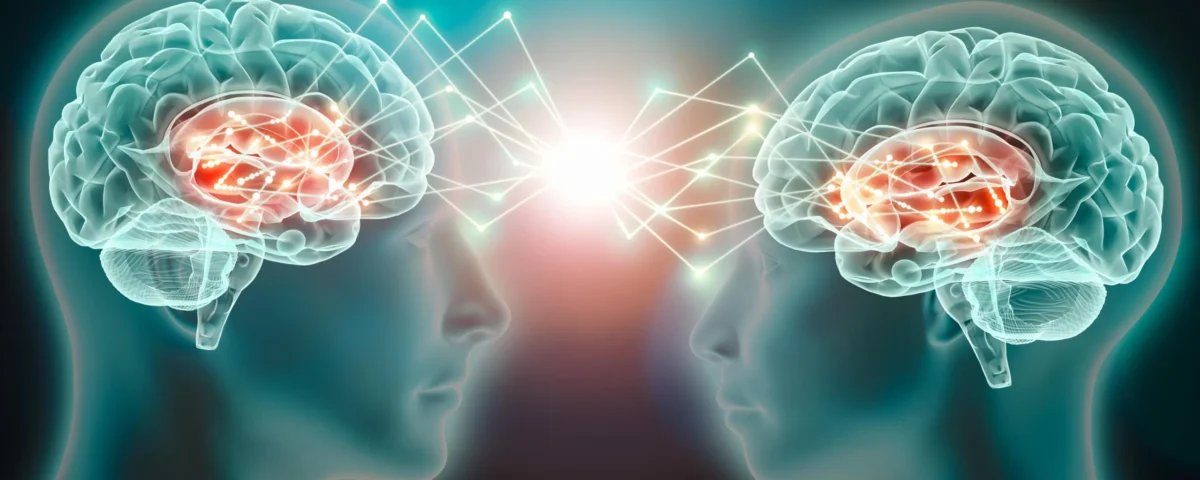
The field of neurology is continuously advancing, with researchers discovering new ways to understand and approach conditions of the nervous system. These developments provide fresh insights into how the brain, spinal cord, and nerves function. Ongoing studies are exploring refined diagnostic techniques and new therapeutic pathways. This work helps expand the knowledge base for both specialists and patients.
How Is Imaging Evolving?
Advances in Structural Neuroimaging
Techniques like high-resolution magnetic resonance imaging (MRI) are becoming more powerful, providing clearer views of brain tissues. Specialists can now detect more minor and more subtle changes that were previously undetectable. These detailed images offer valuable insights into the progression of neurological conditions.
Improvements in Functional Imaging
Functional imaging methods, such as functional MRI (fMRI) and positron emission tomography (PET) scans, are advancing rapidly. These tools enable scientists to map brain activity in real-time, revealing which areas of the brain are active during specific tasks. This research is deepening our understanding of the brain’s complex networks and refining our knowledge of neural functions.
Which Therapies Show Promise?
Researchers are investigating several new therapeutic approaches in neurology. These studies aim to discover new methods for managing or addressing neurological conditions by targeting specific biological mechanisms. The goal is to develop treatments that are more precise and aligned with the underlying causes of a disorder.
Some areas of focus in current research include:
- Gene-modifying therapies
- Targeted protein therapies
- Neurostimulation techniques
These developing therapies are undergoing extensive study to understand their effects and applications. Neurostimulation, for instance, involves using electrical impulses to modulate nerve activity, and it is being explored for a variety of conditions. Each approach represents a distinct strategy for engaging with the complex biology of the nervous system.
How Is AI Transforming Diagnostics?
Artificial intelligence (AI) is beginning to play a role in neurological diagnostics. AI algorithms can analyze large datasets, such as medical images or patient records, to identify patterns that the human eye might miss. This capability is being tested to expedite the diagnostic process.
Machine learning models, a subset of AI, are trained using thousands of brain scans to recognize specific signs linked to neurological conditions. For instance, an algorithm might be designed to identify early indicators of neurodegenerative diseases, such as Alzheimer’s or Parkinson’s, by analyzing MRI data and detecting changes that are too subtle for manual observation. This helps specialists by providing them with additional insights and a second layer of analysis to refine their assessments.
Rather than replacing a neurologist’s expertise, this technology is being integrated into diagnostic workflows to complement their skills. AI serves as a powerful tool to support medical professionals, enabling them to make more informed decisions while focusing their attention on complex cases that require human judgment. The goal of this integration is to enhance diagnostic accuracy and efficiency, thereby improving patient outcomes.
Consult a Neurology Specialist
Understanding the latest developments in neurology can be empowering, but this information does not replace professional medical advice. A neurology specialist has the training and experience to evaluate your specific health situation. They can interpret diagnostic tests and explain the results’ implications for you. Discussing your symptoms and concerns with a qualified doctor is the best course of action. If you have questions about your neurological health, schedule a consultation with a specialist to receive personalized guidance.
- Good Skin Products for Sensitive Skin: A Complete Guide to Gentle Skincare
- Dermatologically Tested Skin Care Products: A Complete Guide for Healthier Skin
- Does Mixsoon Centella Cleansing Foam Really Help Clean and Soothe Skin?
- Good Skin Care Products for Combination Skin: A Complete Guide to Building the Right Routine
- How to Hide Dark Spots on Face? Easy Makeup and Skincare Tips