

What Are the Best Medical Grade Skincare Brands for Healthy Skin?
September 1, 2026
How Often Should You Use Lotion Acnes for Better Skin?
September 2, 2026
Skin discoloration can be frustrating, especially when a new dark patch, light spot, redness, or uneven skin tone appears without an obvious reason. Many changes in skin color are harmless and can improve with the right care. However, some types of discoloration can be signs of an underlying skin condition or, in less common cases, another health problem.
A skin discoloration dermatologist is a board-certified dermatologist who can examine changes in skin color, identify the likely cause, and recommend appropriate treatment. Because many different conditions can look similar, getting the correct diagnosis is often more important than simply trying products designed to fade spots.
This guide explains what a dermatologist can do for skin discoloration, common causes of dark and light spots, available treatments, what to expect during an appointment, and when discoloration needs prompt medical attention.
What Is Skin Discoloration?
Skin discoloration means that an area of skin has a different color from the surrounding skin. The change may appear darker, lighter, redder, yellowish, bluish, gray, or completely white.
Discoloration can occur on almost any part of the body. Common locations include:
- Face
- Neck
- Hands
- Arms
- Legs
- Chest
- Back
- Underarms
- Knees and elbows
- Around the mouth
- Areas affected by acne, injury, or inflammation
The medical term used depends on the type of color change. For example, hyperpigmentation means there is more pigment than usual, while hypopigmentation means there is less pigment.
The cause matters because different types of discoloration require different treatments. A cream that helps one condition may do little for another and could sometimes make irritation or discoloration worse.
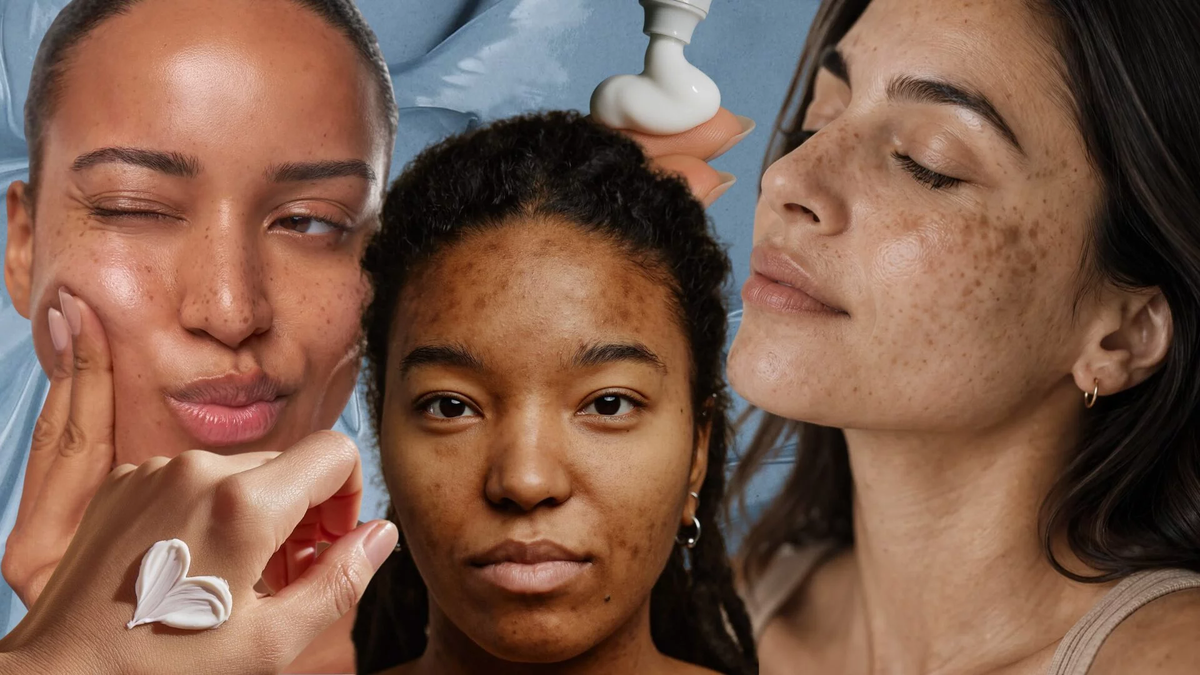
What Does a Skin Discoloration Dermatologist Do?
A dermatologist is a medical doctor who specializes in conditions involving the skin, hair, and nails. When you visit a dermatologist for skin discoloration, the first goal is usually to determine why the color has changed.
A dermatologist may:
- Examine the affected skin closely.
- Ask when the discoloration started.
- Ask about changes in size, shape, or color.
- Review your medications and skin-care products.
- Ask about recent acne, rashes, injuries, or procedures.
- Consider sun exposure and other environmental factors.
- Check whether other parts of your body are affected.
- Use specialized tools to examine the skin when needed.
- Order laboratory testing when an underlying condition is suspected.
- Recommend a treatment plan based on the diagnosis.
The American Academy of Dermatology notes that changes in skin color can have many causes, which is why professional evaluation can be important when a new or unusual change appears.
Why Is Seeing a Dermatologist Important for Skin Discoloration?
It is tempting to assume that every dark spot is caused by sun exposure or that every light patch is vitiligo. In reality, several different skin conditions can produce similar-looking changes.
For example, a dark patch could be related to:
- Acne inflammation
- Melasma
- Sun exposure
- An injury
- Medication
- Eczema
- Hormonal changes
- Acanthosis nigricans
- Certain infections
- A mole or other skin growth
Likewise, a light patch may result from vitiligo, a fungal infection, inflammation, an old injury, or another skin condition. The AAD specifically recommends professional evaluation for new or worsening light patches because accurate diagnosis determines appropriate treatment.
This is one reason the best approach to skin discoloration is usually not simply “find the strongest lightening product.” It is to identify the cause first.
Common Types of Skin Discoloration
Skin discoloration can be divided into several broad categories.
Hyperpigmentation
Hyperpigmentation occurs when an area of skin becomes darker than the surrounding skin.
Common examples include:
- Dark spots after acne
- Sun spots
- Melasma
- Post-inflammatory hyperpigmentation
- Certain medication-related changes
- Acanthosis nigricans
Hyperpigmentation is especially common after inflammation or injury in people with medium to deep skin tones.
Hypopigmentation
Hypopigmentation means the affected skin has less pigment than normal.
It can occur after:
- Eczema
- Psoriasis
- Skin injury
- Inflammation
- Some infections
- Certain medications
- Cosmetic procedures
Some cases improve naturally after the underlying condition resolves. Others require treatment.
Depigmentation
Depigmentation means a significant or complete loss of pigment.
Vitiligo is one important cause. In vitiligo, the immune system attacks melanocytes, the cells responsible for producing skin pigment.
A dermatologist can distinguish vitiligo from other causes of light or white patches through examination and medical history.
Red or Inflamed Skin
Red discoloration may result from inflammation, irritation, rosacea, allergic reactions, infections, or other conditions.
Persistent facial redness should not automatically be treated as a cosmetic issue. The AAD recommends dermatologic evaluation when facial redness continues, because many different conditions can produce it.
Common Causes of Skin Discoloration
1. Sun Exposure
Sun exposure is one of the most common causes of uneven pigmentation.
Ultraviolet radiation can stimulate pigment-producing cells. Over time, repeated exposure can contribute to freckles, solar lentigines, and other dark spots.
Sun exposure can also make existing pigmentation problems more noticeable.
For people with melasma, visible light can also worsen pigmentation. The AAD recommends tinted sunscreen containing iron oxide for people with melasma because it can provide protection against visible light in addition to ultraviolet protection.
2. Acne and Post-Inflammatory Hyperpigmentation
Acne can leave dark marks even after the actual pimple disappears.
These marks are often called post-inflammatory hyperpigmentation, or PIH.
PIH develops because inflammation can stimulate pigment production. It is particularly common in people with darker skin tones.
Treating the acne itself is important because preventing new inflammation can help prevent new dark marks. The AAD notes that people who develop persistent dark spots after acne may benefit from seeing a dermatologist.
3. Melasma
Melasma is a common pigmentation disorder that usually causes brown or gray-brown patches on the face.
It commonly appears on areas such as:
- Cheeks
- Forehead
- Nose
- Upper lip
- Chin
Sun exposure is an important trigger. Hormonal changes, pregnancy, certain medications, and other factors can also contribute.
Melasma can persist for years in some people. A dermatologist can create an individualized treatment plan based on the patient’s skin type, triggers, and severity.
4. Acanthosis Nigricans
Acanthosis nigricans causes darker, thicker, often velvety skin.
It commonly develops in body folds such as:
- Back of the neck
- Armpits
- Groin
- Elbows
- Knees
- Knuckles
It may be associated with insulin resistance, prediabetes, diabetes, certain medications, thyroid problems, and other conditions.
A dermatologist can recognize the characteristic appearance. In some cases, medical testing is recommended to look for an underlying cause.
Sudden widespread development of dark, velvety patches deserves prompt medical evaluation because, although uncommon, sudden-onset acanthosis nigricans can sometimes be associated with serious underlying disease.
5. Skin Injuries
A burn, cut, scrape, insect bite, rash, or other injury can change skin color.
The affected area may become darker or lighter after healing. This is sometimes called post-inflammatory pigment alteration.
The color may gradually return toward normal, but the process can take months.
6. Eczema and Other Inflammatory Skin Conditions
Inflammatory skin conditions can leave behind changes in pigmentation.
For example, a person may notice lighter or darker areas after eczema improves. Treating the inflammation can help reduce the chance of additional discoloration.
This is another example of why treating the underlying condition can be more effective than simply trying to change the color of the skin.
7. Medications
Some medications can cause changes in skin color.
Because the possible causes are numerous, tell your dermatologist about every medication and supplement you take.
Do not stop a prescribed medication simply because you think it may be causing discoloration. Instead, discuss the concern with the prescribing clinician.
8. Vitiligo
Vitiligo causes areas of skin to lose pigment.
The patches can appear lighter than the surrounding skin and may eventually become completely white. They can occur on the face, hands, arms, legs, or other areas.
Vitiligo is not the only cause of light patches, so diagnosis is important. A dermatologist can examine the skin and consider other possibilities, including infections and changes caused by previous inflammation or injury.
9. Fungal Infections
Some fungal skin infections can produce lighter or darker patches.
Tinea versicolor is one example. It can cause multiple lighter or darker areas, often on the chest, back, shoulders, or neck.
The treatment is different from the treatment used for pigmentation disorders, which is why diagnosis matters.
10. Moles and Other Skin Growths
Not every dark spot is pigmentation.
Some spots are moles or other types of growths. A dermatologist can evaluate them for features that require further testing.
A changing spot deserves particular attention.
The AAD recommends watching for the ABCDE warning signs:
- A — Asymmetry
- B — Border irregularity
- C — Color variation
- D — Diameter, especially larger than about 6 millimeters
- E — Evolving appearance
A spot that changes in size, shape, or color should be evaluated by a dermatologist.
When Should You See a Skin Discoloration Dermatologist?
You should consider seeing a dermatologist when discoloration:
- Appears without an obvious reason
- Continues to spread
- Changes quickly
- Becomes painful
- Itches or bleeds
- Develops a new texture
- Appears with swelling
- Does not improve
- Keeps returning
- Develops after a medication change
- Occurs with other unexplained symptoms
- Looks different from your other spots
You should also seek professional evaluation if you have a new or changing mole or a suspicious dark spot.
Do not wait for a cosmetic product to work if the spot is changing or has concerning features.
Skin Discoloration in Darker Skin Tones
Skin discoloration can be particularly noticeable and sometimes more difficult to manage in darker skin.
People with darker skin are more likely to experience noticeable post-inflammatory hyperpigmentation after acne, irritation, burns, or procedures.
This creates an important treatment principle: aggressive treatment is not always better.
Strong treatments can irritate the skin. Irritation can trigger additional inflammation, which may lead to more pigmentation.
For this reason, dermatologists often balance pigment treatment with careful skin-barrier protection.
The AAD also emphasizes that skin cancer can occur in darker skin tones and may appear in places such as the palms, soles, nails, or other areas that are sometimes overlooked.
What Happens During a Dermatologist Appointment?
A skin discoloration appointment usually begins with a conversation and visual examination.
Your dermatologist may ask:
- When did you first notice the discoloration?
- Did it appear suddenly or gradually?
- Has it changed?
- Does it itch, hurt, or bleed?
- Have you recently had acne or a rash?
- Have you experienced an injury in that area?
- What skin-care products do you use?
- What medications do you take?
- How much sun exposure do you receive?
- Have you recently had a cosmetic procedure?
- Do you have similar spots elsewhere?
The dermatologist may then examine the affected skin and surrounding areas.
In some situations, additional tests may be needed.
Tests a Dermatologist May Use
The exact tests depend on what the dermatologist sees.
Possible evaluation methods include:
Visual Examination
Many pigmentation disorders have recognizable patterns that an experienced dermatologist can identify through examination.
Dermoscopy
A dermatologist may use a handheld device called a dermatoscope to examine skin structures that are not easily visible with the naked eye.
This can be especially useful when evaluating pigmented lesions.
Wood’s Lamp Examination
A Wood’s lamp uses ultraviolet light to help examine certain pigment and skin conditions.
It may provide additional information in selected cases.
Skin Scraping
If an infection is suspected, a small sample of surface material may be examined.
Blood Tests
Blood testing may be recommended when the appearance suggests an underlying medical condition.
For example, evaluation of acanthosis nigricans may involve testing for conditions such as diabetes, prediabetes, or thyroid problems.
Skin Biopsy
If the diagnosis is uncertain or a suspicious lesion needs further evaluation, a dermatologist may perform a skin biopsy.
A small piece of skin is removed and examined by a laboratory.
A biopsy does not mean that a person definitely has skin cancer. It is simply a diagnostic tool used when more information is needed.
Skin Discoloration Dermatologist Treatment Options
Treatment depends on the cause, location, skin type, severity, and medical history.
There is no single treatment that works for every type of discoloration.
Prescription Creams
A dermatologist may recommend prescription topical medications for certain pigmentation disorders.
Depending on the diagnosis, treatment may involve medicines that:
- Reduce pigment production
- Speed skin-cell turnover
- Reduce inflammation
- Treat an underlying skin disease
- Treat an infection
The specific medication should be selected by a healthcare professional.
Retinoids
Retinoids can be used for several dermatologic conditions and may help improve uneven pigmentation in some patients.
They can also cause dryness and irritation, especially when treatment begins.
Because irritation can worsen pigmentation in some people, proper use is important.
Hydroquinone
Hydroquinone is a pigment-reducing ingredient that has historically been used to treat certain forms of hyperpigmentation.
A dermatologist may recommend it in appropriate situations.
However, it should not be treated as a universal solution for every dark spot. Long-term or inappropriate use can cause complications.
Azelaic Acid
Azelaic acid is another ingredient commonly used in dermatology for acne and certain pigmentation concerns.
It may be useful when acne and dark marks occur together.
Chemical Peels
Chemical peels use carefully selected chemical solutions to exfoliate the skin.
They may be used for certain pigmentation problems, but the strength and type of peel matter.
In people prone to post-inflammatory hyperpigmentation, overly aggressive procedures can create additional discoloration.
Laser and Light Treatments
Laser and light-based treatments can improve some pigmentation problems.
However, they are not automatically the best choice.
A dermatologist should consider:
- Skin tone
- Type of pigmentation
- Depth of pigment
- Risk of post-inflammatory hyperpigmentation
- Previous treatment response
- Recovery time
The AAD notes that procedures such as laser treatment can help certain age spots but can also cause temporary or, rarely, longer-lasting changes in skin color.
Microdermabrasion
Microdermabrasion gently exfoliates the outer layer of skin.
It may be used for concerns such as uneven tone, age spots, melasma, and dark marks associated with acne.
The AAD notes that professional microdermabrasion differs from home devices and can be used across different skin colors.
Treatment of the Underlying Condition
Sometimes the best pigmentation treatment is not a pigment treatment.
For example, if discoloration is caused by eczema, treating the eczema can help prevent additional pigment changes.
If acanthosis nigricans is related to an underlying metabolic condition, addressing that condition may improve the skin.
If a fungal infection is responsible for the color change, antifungal treatment may be appropriate.
This is why diagnosis should come before choosing a treatment.
How Long Does Skin Discoloration Treatment Take?
The timeline varies greatly.
Some discoloration can improve within weeks, while other pigmentation problems may take several months.
The speed of improvement depends on:
- The underlying cause
- Depth of pigmentation
- Skin tone
- Location
- Duration of the problem
- Sun exposure
- Ongoing inflammation
- Treatment used
- Individual skin response
One of the most important expectations is that pigmentation usually does not disappear overnight.
Even when a treatment is working, the skin may need time to gradually return toward a more even appearance.
Why Sunscreen Matters for Skin Discoloration
Sun protection is one of the most important parts of managing many pigmentation disorders.
A dermatologist may recommend a broad-spectrum sunscreen with SPF 30 or higher.
Other useful sun-protection habits include:
- Wearing a wide-brimmed hat
- Seeking shade
- Wearing protective clothing
- Limiting prolonged direct sun exposure
- Reapplying sunscreen as directed
For melasma, tinted sunscreen containing iron oxide may be particularly useful because visible light can worsen pigmentation.
Sunscreen does not instantly remove discoloration. Instead, it helps prevent ultraviolet and visible-light exposure from making some pigmentation problems worse.
Can Skin Discoloration Be Treated at Home?
Some mild discoloration can be managed with a simple skin-care routine, especially when the cause is already known.
A basic routine may include:
- Gentle cleanser
- Moisturizer
- Daily sunscreen
- Avoidance of irritating products
- Treatment recommended by a healthcare professional
However, repeatedly changing products can make the situation harder to understand.
If a product burns or stings, it may be irritating the skin. For people with melasma, the AAD specifically recommends gentle, fragrance-free skin care because irritation can make dark spots more noticeable.
What Should You Avoid for Dark Spots?
Avoid aggressive methods that can damage the skin.
Examples include:
- Scrubbing dark patches
- Using unverified bleaching products
- Applying strong acids without guidance
- Combining many active ingredients at once
- Picking acne
- Using harsh exfoliating tools
- Applying household chemicals to the skin
- Buying prescription-strength products from unreliable sources
Scrubbing is especially unlikely to solve pigmentation caused by conditions such as acanthosis nigricans. The AAD warns that vigorous scrubbing does not remove this condition.
Skin damage can lead to more inflammation and potentially more discoloration.
How to Choose a Dermatologist for Skin Discoloration
When searching for a dermatologist in the United States, consider whether the doctor is board certified and whether they have experience with pigmentary disorders.
You may also want to look for experience treating:
- Melasma
- Hyperpigmentation
- Post-inflammatory hyperpigmentation
- Vitiligo
- Skin of color
- Pigmented lesions
- Cosmetic dermatology
- Laser procedures
If you have darker skin, experience treating patients with similar skin tones can be particularly valuable because pigmentary complications can differ between skin types.
What Questions Should You Ask a Dermatologist?
Before your appointment, consider writing down your questions.
Useful questions include:
- What is most likely causing my discoloration?
- Is the discoloration harmless?
- Do I need any testing?
- Could my medication be contributing?
- What treatment is safest for my skin type?
- How long should treatment take?
- What side effects should I watch for?
- Could treatment make the pigmentation darker?
- Do I need daily sunscreen?
- How can I prevent the discoloration from returning?
These questions can help you understand the treatment plan rather than simply receiving a product recommendation.
How Much Does a Dermatologist Visit Cost in the United States?
The cost of dermatology care varies significantly across the United States.
Factors include:
- Location
- Insurance coverage
- Type of visit
- Diagnostic testing
- Procedure performed
- Whether the treatment is considered medical or cosmetic
- The dermatologist’s practice
Medical evaluation of a suspicious lesion or skin condition may be treated differently by insurance than cosmetic treatment for an age spot or uneven skin tone.
Before a procedure, ask the office about expected costs and whether insurance is likely to cover the service.
Medical vs. Cosmetic Skin Discoloration Treatment
This distinction can be important.
A dermatologist may treat discoloration because it is caused by a medical condition, such as:
- Vitiligo
- Eczema
- Infection
- Acanthosis nigricans
- Inflammation
- A suspicious lesion
Other treatments may be mainly cosmetic, such as procedures intended to reduce the appearance of age spots without treating a medical disease.
Insurance policies often differ between medically necessary care and cosmetic procedures.
Can Skin Discoloration Be a Sign of Skin Cancer?
Sometimes.
Most skin discoloration is not cancer. However, certain changing pigmented lesions can be signs of melanoma or another type of skin cancer.
Pay attention to spots that:
- Change shape
- Change color
- Increase in size
- Develop several colors
- Have an irregular border
- Bleed
- Become painful
- Look very different from your other spots
The ABCDE method can help people recognize potentially concerning moles, but it does not replace a professional examination.
Skin cancer can also occur in people with darker skin. The AAD recommends paying close attention to areas such as the palms, soles, and nails because skin cancers in these locations can sometimes be overlooked.
When Is Skin Discoloration an Emergency?
Most discoloration does not require emergency care.
However, seek prompt medical attention if a skin change is accompanied by serious symptoms such as:
- Rapid swelling
- Severe pain
- Difficulty breathing
- Facial or throat swelling
- Extensive blistering
- Severe infection symptoms
- Sudden widespread skin changes
- A rapidly changing or bleeding lesion
Sudden widespread dark, velvety patches also deserve prompt medical evaluation because of the uncommon but important association between sudden-onset acanthosis nigricans and underlying cancer.
Skin Discoloration Dermatologist: What Is the Best Treatment?
The best treatment depends on the diagnosis.
There is no universal “best cream” for skin discoloration.
For example:
| Cause | Possible Dermatology Approach |
| Melasma | Sun protection, topical treatment, and selected procedures |
| Acne-related dark marks | Acne control plus pigmentation treatment |
| Acanthosis nigricans | Evaluation and treatment of underlying causes |
| Vitiligo | Medical evaluation and condition-specific therapy |
| Tinea versicolor | Antifungal treatment |
| Age spots | Sun protection, topical options, or procedures |
| Post-inflammatory pigmentation | Treat inflammation and use pigment-focused care |
| Suspicious mole | Dermatologic examination and possible biopsy |
The table is a general educational guide, not a diagnosis or personal treatment recommendation.
How to Prevent Future Skin Discoloration
Prevention depends on the cause, but several habits can help protect the skin.
Use Sun Protection
Daily sun protection can reduce additional UV-related pigmentation.
Treat Acne Early
Reducing acne inflammation can reduce the chance of developing new post-inflammatory dark marks.
Avoid Picking at the Skin
Picking pimples, scabs, or rashes can increase inflammation and prolong discoloration.
Keep the Skin Barrier Healthy
Gentle cleansing and regular moisturizing can help reduce unnecessary irritation.
Avoid Unverified Skin-Lightening Products
Products from unreliable sources may contain ingredients that are not clearly labeled or appropriate for long-term use.
Treat Underlying Conditions
If discoloration is caused by another condition, addressing that condition may be the most effective prevention strategy.
Skin Discoloration and Mental Well-Being
Skin discoloration may not be medically dangerous, but that does not mean it has no effect on quality of life.
Visible changes can affect:
- Confidence
- Social comfort
- Work interactions
- Willingness to take photographs
- Feelings about appearance
Melasma, vitiligo, acne-related pigmentation, and other visible skin conditions can be emotionally difficult for some people.
A good dermatologist should take these concerns seriously while also keeping treatment realistic and medically appropriate.
The goal should not always be perfect skin. A more practical goal is healthy skin, an accurate diagnosis, and improvement that is safe and sustainable.
Why Online Skin Advice Can Be Misleading
Search engines and social media contain thousands of recommendations for dark spots and uneven skin tone.
Some information is useful, but online advice can leave out important details.
A product that works for one person may not work for another because the underlying causes are different.
For example, a person with melasma may need a different approach from someone with post-acne pigmentation. Someone with vitiligo needs a completely different evaluation from someone with a fungal infection.
Online photos can also be misleading because lighting, filters, camera settings, and skin tone can change how pigmentation appears.
Digital health information is most useful when it helps you understand questions to discuss with a qualified healthcare professional.
How to Prepare for a Skin Discoloration Dermatologist Visit
A little preparation can make the appointment more useful.
Before your visit, consider:
- Taking photographs of the discoloration over time
- Writing down when it first appeared
- Listing all medications
- Listing skin-care products
- Noting recent acne or rashes
- Recording recent procedures
- Noting changes in sun exposure
- Writing down family history of skin conditions
- Preparing questions
If the discoloration changes frequently, photographs taken under similar lighting can help show how it has evolved.
Frequently Asked Questions About Skin Discoloration Dermatologists
1. Should I see a dermatologist for one small dark spot?
Yes, if the spot is new, changing, unusual, persistent, or difficult to identify. A single dark spot may be harmless, but some pigmented lesions need professional evaluation. A dermatologist can determine whether it is pigmentation, a mole, or another type of skin growth.
2. Can a dermatologist remove skin discoloration permanently?
Sometimes discoloration can be significantly reduced, but permanent results cannot always be guaranteed. The outcome depends on the cause, skin type, sun exposure, treatment, and whether the condition can recur. Melasma, for example, may improve but can return when triggers such as sunlight or hormonal changes continue.
3. Is dermatologist treatment safe for people with dark skin?
Many dermatology treatments can be used safely on darker skin when properly selected. However, some procedures can increase the risk of post-inflammatory hyperpigmentation if they cause excessive irritation or injury. Choosing a dermatologist experienced with skin of color can help reduce unnecessary risks.
4. Can stress cause skin discoloration?
Stress can influence some skin conditions, but it is usually not possible to assume that stress alone caused a specific patch of discoloration. Conditions such as melasma may be influenced by multiple factors, including hormonal changes and environmental triggers. A dermatologist can help determine the likely cause.
5. Should I stop using skin-care products before seeing a dermatologist?
Do not automatically stop prescribed medication. However, bring a list or photographs of the products you currently use. If a product is causing burning, stinging, redness, or worsening discoloration, tell your dermatologist. This information can help identify irritation or contact reactions.
Frequently Asked Questions: Additional Skin Discoloration Questions
Can dehydration cause permanent skin discoloration?
Ordinary dehydration is not a common cause of permanent localized pigmentation. Dehydrated skin can look dull or uneven, but a persistent dark or light patch should not automatically be blamed on dehydration. A dermatologist can investigate other causes.
Can vitamin deficiencies cause changes in skin color?
Some nutritional and systemic problems can affect skin appearance, but discoloration alone is not enough to diagnose a vitamin deficiency. If your dermatologist suspects a nutritional or systemic cause, they may recommend appropriate testing rather than relying on supplements without a diagnosis.
Can a dermatologist tell if a dark spot came from acne?
Often, yes. The pattern, location, timing, and history of acne can help a dermatologist recognize post-inflammatory hyperpigmentation. The dermatologist will also consider other possible causes if the spot does not have a typical appearance.
Can skin discoloration come back after successful treatment?
Yes. Recurrence is possible with several pigmentation disorders. Melasma is a good example because sun exposure and other triggers can cause pigmentation to return. Preventive skin care and treatment of the underlying cause are therefore important parts of long-term management.
Is skin discoloration always a sign of an unhealthy skin barrier?
No. Discoloration can occur even when the skin barrier appears healthy. Pigment changes may result from sun exposure, hormones, inflammation, genetics, infection, medication, autoimmune disease, or other causes. Skin-barrier care can be helpful, but it is not a complete explanation for every color change.
Key Takeaways About Seeing a Skin Discoloration Dermatologist
The most important points are simple:
- Skin discoloration has many possible causes.
- Dark spots are not always caused by sun exposure.
- Light patches are not always vitiligo.
- Acne can leave behind post-inflammatory hyperpigmentation.
- Melasma can persist and may require long-term management.
- Acanthosis nigricans can sometimes signal an underlying health problem.
- A changing or suspicious pigmented spot should be evaluated.
- People with darker skin can develop skin cancer and should not ignore suspicious changes.
- Sunscreen is an important part of managing many pigmentation disorders.
- Harsh scrubbing and unverified skin-lightening products can cause more irritation.
- Treatment should be based on diagnosis rather than appearance alone.
- A board-certified dermatologist can help determine the safest and most appropriate approach.
Conclusion
Skin discoloration is a broad term that covers many different changes in skin color. Some cases are temporary and harmless, while others are connected to conditions that need medical treatment.
If you are searching for a skin discoloration dermatologist, the most important step is to find out what is causing the change. A dermatologist can examine the skin, review your history, determine whether testing is needed, and create a treatment plan that matches your condition and skin type.
For dark spots, the cause may be acne, sun exposure, melasma, inflammation, medication, or another condition. For light spots, possibilities include vitiligo, infection, inflammation, or previous skin injury. Some changes may also need evaluation because they could represent a suspicious skin lesion.
Safe treatment begins with accurate diagnosis. Daily sun protection, gentle skin care, avoiding unnecessary irritation, and treating underlying skin conditions can all support healthier and more even-looking skin.
Most importantly, do not feel that you need to diagnose or treat persistent discoloration on your own. If a new patch is changing, spreading, painful, bleeding, or simply does not look normal to you, scheduling an appointment with a qualified dermatologist is a sensible next step.