
Is SPF 30 Enough for Complete Daily Sun Protection?
August 31, 2026
How Do You Choose the Best Skin Discoloration Dermatologist?
September 1, 2026
Medical grade skincare brands have become increasingly popular in the United States. Many people use this term when searching for products that seem stronger, more advanced, or more closely connected to dermatology and professional skin care.
But what does “medical grade skincare” actually mean? Is it a regulated category? Are these products better than drugstore skincare? Which ingredients should you look for? And how can you choose a product without wasting money?
This guide answers those questions in simple language. It explains what medical grade skincare brands are, how they differ from ordinary cosmetic brands, which ingredients matter most, how to build a routine, and what to consider before purchasing a product.
What Are Medical Grade Skincare Brands?
Medical grade skincare brands are skincare companies that market products as being designed for more advanced skin care needs, often with a connection to dermatologists, plastic surgeons, aesthetic practices, or other skin professionals.
The term “medical grade” sounds official, but it is important to understand that it is generally a marketing term rather than a specific FDA-defined product category in the United States.
A product being called medical grade does not automatically mean that it is a prescription treatment or that it has been proven to work better than every drugstore product.
Instead, these brands often focus on:
- Higher-strength cosmetic ingredients
- Professional or dermatologist recommendations
- Research-supported ingredients
- Advanced formulations
- Products for specific skin concerns
- Professional treatment support
- Anti-aging skincare
- Pigmentation care
- Acne-prone skin
- Sensitive or damaged skin barriers
The most important point is this: judge a skincare product by its ingredients, formulation, evidence, safety, and suitability for your skin—not only by the words “medical grade.”
Is “Medical Grade Skincare” FDA Regulated?
No. “Medical grade skincare” is not a formal FDA classification for cosmetics.
In the United States, skincare products can fall into different regulatory categories depending on what they are and what claims they make. Cosmetics generally have different requirements from drugs.
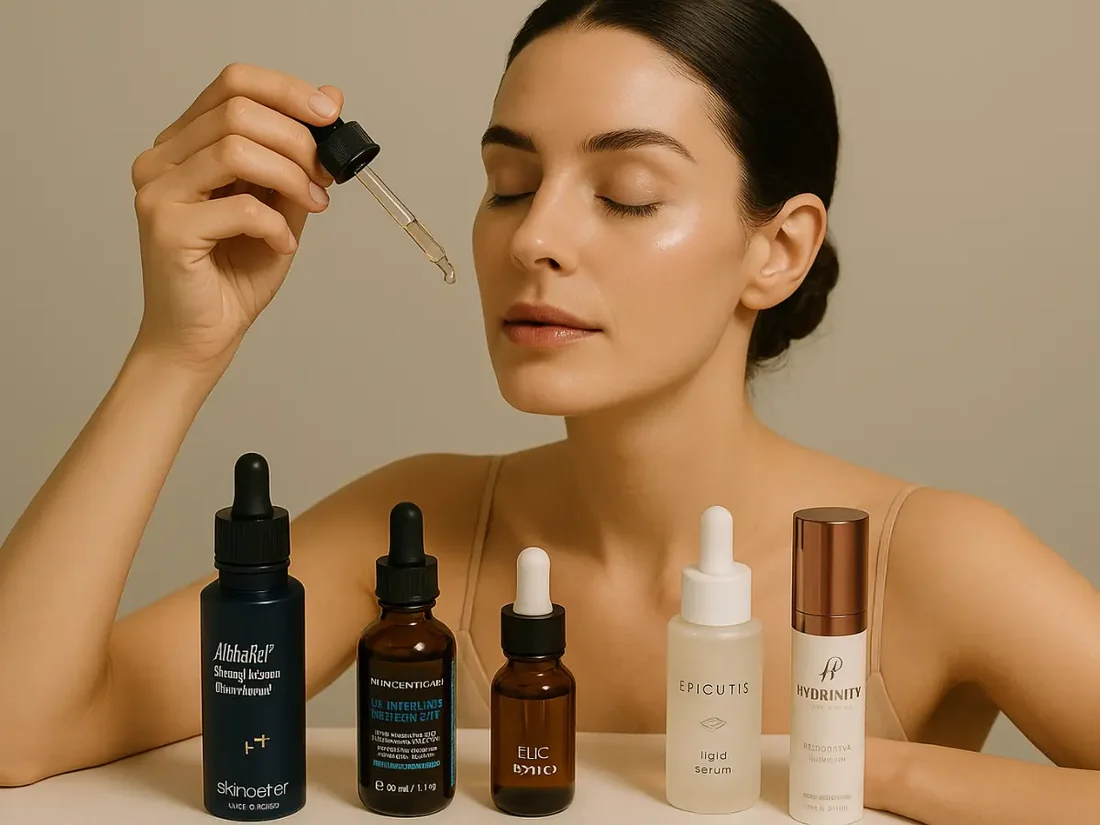
For example, a moisturizer that claims to hydrate the skin is normally considered a cosmetic. A product that makes a drug claim, such as treating a disease or changing the structure or function of the body, may fall under drug regulations.
This distinction matters because the word “medical” in a brand name or marketing description does not automatically mean the product is a prescription medication.
Consumers should therefore be careful with claims such as:
- “Medical grade”
- “Clinical grade”
- “Professional strength”
- “Doctor quality”
- “Hospital grade”
- “Prescription alternative”
These phrases can describe a brand’s positioning, but they should not be treated as proof that a product is medically superior.
Why Are Medical Grade Skincare Brands Popular?
There are several reasons people search for medical grade skincare brands.
First, consumers have become more interested in ingredients. Instead of simply buying products based on packaging, many shoppers now look for ingredients such as retinoids, vitamin C, niacinamide, peptides, ceramides, alpha hydroxy acids, and salicylic acid.
Second, dermatology and cosmetic procedures have become more common. People who receive treatments such as chemical peels, microneedling, laser procedures, or other professional services may be advised to use certain skincare products.
Third, social media has increased awareness of professional skincare routines. Dermatologists, estheticians, influencers, and skincare companies regularly discuss active ingredients and treatment routines.
Finally, many consumers want a simple way to separate basic skincare from products marketed toward more advanced concerns.
However, expensive packaging and professional-looking branding should never replace careful evaluation.
Medical Grade vs. Drugstore Skincare
One of the most common questions is whether medical grade skincare brands are better than drugstore brands.
The answer is not always yes.
A drugstore product can contain an effective ingredient in a well-designed formula. At the same time, a professional skincare product can contain useful ingredients but still be unsuitable for a particular person’s skin.
Here is a simple comparison:
| Feature | Medical Grade Skincare | Drugstore Skincare |
| Price | Often higher | Often lower |
| Professional association | Common | Sometimes |
| Active ingredients | Often emphasized | Wide range |
| Prescription status | Usually not prescription | Usually not prescription |
| Accessibility | May be sold through practices or selected retailers | Widely available |
| Skin concerns | Often targeted | General and targeted |
| Scientific claims | Vary by product | Vary by product |
| Quality | Depends on formulation | Depends on formulation |
The best product is the one that contains appropriate ingredients, is formulated well, fits your skin type, and can be used consistently.
Popular Medical Grade Skincare Brands
There are many brands that are commonly associated with professional or medical aesthetics skincare in the United States. Availability and product formulas can change, so consumers should always check the current product label.
Examples include:
- SkinCeuticals
- SkinMedica
- ZO Skin Health
- EltaMD
- Revision Skincare
- Obagi
- PCA Skin
- iS Clinical
- Alastin Skincare
- Neocutis
- Jan Marini Skin Research
These companies have different product lines, ingredients, prices, and intended uses.
Being included in this list does not mean every product from a brand is right for everyone. It also does not mean one brand is universally better than another.
The better approach is to compare specific products and ingredients.
SkinCeuticals
SkinCeuticals is widely known for antioxidant skincare, particularly vitamin C products.
Its product range includes formulations designed around ingredients such as:
- Vitamin C
- Ferulic acid
- Vitamin E
- Salicylic acid
- Hyaluronic acid
- Retinol
Vitamin C is especially popular because antioxidants can help protect skin from environmental oxidative stress when used as part of a broader skin-protection routine.
However, vitamin C formulas can differ significantly. Concentration, pH, packaging, stability, and other ingredients can influence the overall experience.
SkinMedica
SkinMedica is another widely recognized professional skincare brand.
Its products focus on concerns such as:
- Skin aging
- Hydration
- Uneven skin tone
- Skin texture
- Fine lines
- Skin recovery
Some SkinMedica products contain ingredients such as retinoids, antioxidants, peptides, growth-factor-related formulations, or moisturizing ingredients.
Consumers should review the individual formula rather than assuming every product from a professional brand works the same way.
ZO Skin Health
ZO Skin Health is known for professional-oriented skincare routines.
Its product range includes products targeting:
- Acne
- Uneven skin tone
- Sun-related skin changes
- Oiliness
- Texture
- Signs of aging
Some routines can be relatively active and may not be appropriate for beginners or people with easily irritated skin.
Starting several strong products at once can increase the risk of redness, dryness, burning, or peeling.
EltaMD
EltaMD is particularly well known for sunscreen products.
Sun protection is one of the most important parts of a skincare routine because ultraviolet radiation contributes to premature skin aging and increases skin cancer risk.
A professional skincare routine without reliable daily sun protection is often incomplete.
When choosing sunscreen, look for broad-spectrum protection and an SPF appropriate for your needs. Sunscreen should also be applied correctly and reapplied when appropriate.
Revision Skincare
Revision Skincare offers products focused on concerns such as:
- Fine lines
- Skin firmness
- Uneven tone
- Hydration
- Antioxidant protection
The brand is often associated with professional skincare and cosmetic dermatology practices.
As with other brands, product selection should depend on your individual goals rather than the brand name alone.
Obagi
Obagi is a long-established name in professional skincare.
Its products have been used in routines targeting:
- Hyperpigmentation
- Uneven skin tone
- Acne
- Signs of aging
- Sun damage
Obagi offers different types of products, and some formulations may involve ingredients that require more careful use than basic moisturizers.
If a product contains a prescription drug, it should be treated differently from ordinary cosmetic skincare.
PCA Skin
PCA Skin is another professional skincare company with products aimed at different skin concerns.
Its product categories include cleansers, exfoliants, moisturizers, sunscreens, and treatment products.
Because exfoliating ingredients can sometimes irritate the skin, it is important to avoid assuming that stronger automatically means better.
iS Clinical
iS Clinical markets professional skincare products for concerns such as:
- Acne-prone skin
- Aging skin
- Hydration
- Uneven texture
- Environmental stress
The brand uses a variety of active and supportive ingredients across its range.
Consumers should still evaluate individual products according to their skin type and tolerance.
Alastin Skincare
Alastin Skincare is often associated with aesthetic medicine and professional skin care.
Its products are commonly marketed around skin support, aging concerns, and skincare routines used around aesthetic treatments.
Anyone undergoing a cosmetic procedure should follow the specific aftercare instructions provided by their medical professional rather than relying on general skincare advice.
What Ingredients Should You Look for?
The ingredient list is more important than the label “medical grade.”
Different ingredients are useful for different skin concerns.
Retinoids
Retinoids are among the best-known ingredients for improving signs of skin aging and treating acne.
They can help support:
- Cell turnover
- Fine-line improvement
- Skin texture
- Acne management
- Uneven pigmentation
Retinoids can also cause dryness, irritation, and peeling, especially when someone starts using them too frequently.
Prescription retinoids and over-the-counter retinol products are not the same thing. If you are considering a prescription retinoid, speak with a healthcare professional.
Vitamin C
Vitamin C is an antioxidant commonly used in morning skincare.
It may help support brighter-looking skin and protect against oxidative stress.
However, vitamin C products vary greatly. A stable formulation is important because some vitamin C products can degrade when exposed to light, heat, oxygen, or inappropriate storage conditions.
Niacinamide
Niacinamide is a form of vitamin B3.
It is commonly used to support:
- Skin barrier function
- Hydration
- Uneven skin tone
- Oil control
- Overall skin appearance
It is often well tolerated, although irritation is still possible.
Hyaluronic Acid
Hyaluronic acid is a popular hydrating ingredient.
It helps the skin attract and retain water, making it useful in moisturizers and serums.
It does not need to come from an expensive professional brand to be useful.
Ceramides
Ceramides are lipids naturally found in the skin barrier.
Products containing ceramides can help support the skin barrier, particularly when the skin feels dry or compromised.
A good moisturizer may be more valuable than adding another active serum to an already complicated routine.
Salicylic Acid
Salicylic acid is commonly used for acne-prone and oily skin.
It can help remove excess oil and dead skin cells from the surface and inside pores.
Using too much exfoliating acid can lead to irritation, especially when combined with other active ingredients.
Alpha Hydroxy Acids
Alpha hydroxy acids, or AHAs, include ingredients such as glycolic acid and lactic acid.
They are commonly used to improve:
- Skin texture
- Dullness
- Uneven tone
- Surface buildup
Because they exfoliate the skin, they should be introduced carefully.
Peptides
Peptides are commonly included in anti-aging skincare.
They are short chains of amino acids that can have different roles depending on their specific structure and formulation.
The word “peptide” alone does not prove that a product will produce dramatic results.
What Is the Best Medical Grade Skincare Brand?
There is no single best medical grade skincare brand for everyone.
The right choice depends on:
- Your skin type
- Your age
- Your main skin concern
- Your sensitivity level
- Your budget
- Your current routine
- Your tolerance for active ingredients
- Whether you have a diagnosed skin condition
- Whether you are using prescription medication
For example, someone mainly concerned about sun protection may benefit more from a high-quality sunscreen than from an expensive anti-aging serum.
Someone with acne may need a different approach.
Someone with persistent pigmentation may need professional evaluation because several conditions can look similar but require different treatment.
How to Choose Medical Grade Skincare Brands
Start by identifying one main goal.
Do not begin with ten products.
If your primary goal is hydration, start with a gentle cleanser, moisturizer, and sunscreen.
If your goal is acne management, consider evidence-based acne ingredients and seek professional guidance if your acne is severe, painful, or persistent.
If your goal is anti-aging, sunscreen, a moisturizer, and an appropriate retinoid or retinol product may form a useful foundation.
If your goal is pigmentation, sun protection is especially important.
Build a Simple Skincare Routine
A simple routine can be highly effective.
Morning Routine
A basic morning routine can include:
- Gentle cleanser
- Antioxidant serum if desired
- Moisturizer
- Broad-spectrum sunscreen
You do not need a long list of products.
Evening Routine
A basic evening routine can include:
- Gentle cleanser
- Treatment product
- Moisturizer
If you use retinol or another active ingredient, start slowly.
For example, using a treatment a few nights per week may be easier for your skin than immediately using it every night.
Why Sunscreen Matters So Much
One of the biggest mistakes in advanced skincare is focusing heavily on serums while ignoring sun protection.
Ultraviolet exposure can contribute to:
- Premature skin aging
- Uneven pigmentation
- Wrinkles
- Loss of skin elasticity
- Sunburn
- Skin cancer
Daily sunscreen is therefore a foundation of a skin-health routine.
For everyday use, many people prefer lightweight sunscreen products that are comfortable enough to use consistently.
The best sunscreen is often the one you will actually apply correctly and regularly.
Are Medical Grade Skincare Products Worth the Money?
Sometimes, but not automatically.
A more expensive product may offer:
- A specialized formulation
- Better cosmetic elegance
- More sophisticated packaging
- Higher concentrations of certain ingredients
- Professional support
- Specialized delivery systems
- Research associated with a particular formulation
But higher price does not guarantee better results.
A $150 serum is not automatically three times as effective as a $50 serum.
When comparing products, look at:
- Active ingredients
- Concentrations when disclosed
- Formula stability
- Packaging
- Supporting ingredients
- Your skin’s tolerance
- Evidence
- Price per use
- Whether you actually need the product
Medical Grade Skincare for Sensitive Skin
People with sensitive skin should be especially careful with strong products.
Signs of irritation can include:
- Burning
- Stinging
- Redness
- Peeling
- Tightness
- Itching
- Increased sensitivity
If several products cause irritation, adding even more products usually does not solve the problem.
A better approach may be to simplify your routine.
A gentle cleanser, moisturizer, and sunscreen can provide a useful foundation while your skin recovers.
Medical Grade Skincare for Acne
Acne can affect teenagers and adults.
Common skincare ingredients for acne include:
- Salicylic acid
- Benzoyl peroxide
- Adapalene
- Azelaic acid
- Niacinamide
Not every acne problem should be treated only with cosmetic products.
See a dermatologist if acne is:
- Painful
- Severe
- Leaving scars
- Getting worse
- Affecting your quality of life
- Not improving with basic treatment
Prescription treatments may be appropriate in some cases.
Medical Grade Skincare for Hyperpigmentation
Dark spots can have many causes.
Possible causes include:
- Sun exposure
- Acne marks
- Hormonal changes
- Skin inflammation
- Certain medications
- Other skin conditions
Common skincare ingredients used for uneven pigmentation include vitamin C, niacinamide, retinoids, azelaic acid, and exfoliating acids.
However, identifying the cause is important.
For example, a persistent or changing pigmented spot should not simply be assumed to be a cosmetic issue.
Medical Grade Skincare After Cosmetic Procedures
Professional procedures can temporarily make the skin more sensitive.
Examples include:
- Chemical peels
- Laser treatments
- Microneedling
- Dermabrasion
- Other aesthetic procedures
After treatment, your provider may recommend specific products and tell you when to restart active ingredients.
Do not automatically use retinoids, exfoliating acids, scrubs, or strong vitamin C products immediately after a procedure unless your provider says they are appropriate.
Post-procedure skincare should be personalized.
Common Mistakes People Make
Buying Products Because They Look Professional
Clinical-looking packaging does not prove clinical effectiveness.
Using Too Many Active Ingredients
Combining retinoids, acids, vitamin C, benzoyl peroxide, and other actives without a plan can irritate the skin.
Changing Products Too Quickly
Most skincare products need consistent use over time.
Changing products every few days makes it difficult to understand what is helping or causing irritation.
Ignoring Sunscreen
Even an expensive anti-aging routine cannot replace good sun protection.
Assuming Expensive Means Better
Price is not a scientific measurement of effectiveness.
Copying Someone Else’s Routine
Your skin may not respond to products in the same way as another person’s skin.
How Long Does Medical Grade Skincare Take to Work?
Results depend on the product and the skin concern.
Hydrating products can make the skin feel more comfortable relatively quickly.
Other concerns can take longer.
Acne treatments may require several weeks.
Changes in pigmentation and signs of aging may take several months of consistent use.
Skincare is usually a long-term process rather than an overnight transformation.
Medical Grade Skincare and Professional Advice
A dermatologist can help determine whether your concern is cosmetic or medical.
Professional advice may be particularly helpful when you have:
- Severe acne
- Persistent redness
- Unexplained rashes
- Significant pigmentation
- Painful skin lesions
- Rapidly changing skin
- Scarring
- Persistent irritation
A skincare professional can also help you avoid unnecessary product combinations.
How to Read a Skincare Product Label
Do not only look at the front of the package.
Turn the product around and read the ingredient list.
Look for:
- Active ingredients
- Fragrance
- Potential irritants
- Preservatives
- Moisturizing ingredients
- Exfoliating ingredients
- Retinoids
- Antioxidants
Also check the expiration information and storage instructions.
If a product has been stored in excessive heat or direct sunlight, its performance may be affected.
Medical Grade Skincare and Skin Type
Your skin type can help guide product selection.
Dry Skin
Look for:
- Ceramides
- Glycerin
- Hyaluronic acid
- Squalane
- Gentle cleansers
- Rich moisturizers
Oily Skin
Look for:
- Lightweight moisturizers
- Salicylic acid
- Niacinamide
- Non-comedogenic formulations
Combination Skin
You may need different textures in different areas.
A lightweight moisturizer can work well for some areas, while drier areas may need more moisture.
Sensitive Skin
Prioritize:
- Simple formulas
- Gentle cleansers
- Fragrance-free options when appropriate
- Barrier-supporting moisturizers
- Slow introduction of active ingredients
Normal Skin
You have more flexibility, but there is still no reason to use unnecessary products.
Are Medical Grade Skincare Brands Safe?
Most skincare products can be used safely when used according to their instructions, but no product is risk-free.
Potential problems include:
- Irritation
- Allergic reactions
- Dryness
- Sun sensitivity
- Breakouts
- Interaction with other active ingredients
Patch testing can be useful for some new products, especially if you have sensitive skin.
Stop using a product if you develop a significant reaction and seek medical advice when appropriate.
What Does “Professional Strength” Mean?
“Professional strength” can mean different things depending on the company.
It may refer to:
- A higher concentration of an ingredient
- A product intended for professional use
- A stronger exfoliating product
- A specialized formulation
- A marketing description
The phrase does not have one universal meaning.
Always look beyond the marketing language.
Medical Grade Skincare and Prescription Skincare
These are not the same.
Prescription skincare products contain medications that may require evaluation and a prescription.
Examples can include certain strengths of retinoids and other treatments.
Medical grade skincare, on the other hand, commonly refers to products sold as professional or advanced skincare but does not automatically mean they contain prescription medication.
This distinction is important for consumers.
What About Online Medical Grade Skincare?
Buying skincare online can be convenient, but consumers should be careful.
Before purchasing:
- Check the seller
- Confirm the product name
- Read the ingredient list
- Look for proper packaging
- Avoid suspiciously low prices
- Check expiration information
- Be cautious about counterfeit products
- Purchase from reputable sources
Counterfeit cosmetics may contain unknown ingredients and can create unnecessary health risks.
Privacy and Digital Safety When Buying Skincare
Skincare shopping also has a digital privacy side.
Online stores may collect information such as:
- Name
- Email address
- Shipping address
- Payment information
- Browsing activity
- Purchase history
Consumers should review privacy policies and use secure payment methods.
Avoid sending sensitive medical information through unsecured websites or social media messages.
If a website promises guaranteed medical results in exchange for personal medical details, approach the offer carefully.
How SEO and Social Media Influence Skincare Searches
The popularity of medical grade skincare brands is partly connected to online search behavior.
People often search phrases such as:
- Best medical grade skincare brands
- Medical grade skincare for aging skin
- Best professional skincare brands
- Medical grade skincare for acne
- Medical grade skincare for hyperpigmentation
- Dermatologist recommended skincare
- Clinical skincare products
- Best anti-aging skincare products
Search engines and social media can help consumers discover products, but popularity does not equal scientific evidence.
A viral product may be popular because of advertising, influencer campaigns, packaging, or trends.
Consumers should separate popularity from evidence.
How to Compare Two Medical Grade Skincare Products
Suppose you are choosing between two professional skincare serums.
Ask:
- What is the primary ingredient?
- What problem is the product designed to address?
- Is the ingredient supported by good evidence?
- Is the formulation suitable for your skin?
- Can you use it consistently?
- Does the product fit your budget?
- Are you already using a similar ingredient?
- Do you need it?
This method is usually more useful than asking which brand is more luxurious.
A Practical Medical Grade Skincare Shopping Checklist
Before buying, ask:
- What is my main skin concern?
- What ingredients address that concern?
- Is this product cosmetic or prescription?
- Do I already own a similar product?
- Can my skin tolerate the active ingredients?
- Does the product have clear usage instructions?
- Is the seller trustworthy?
- Is the price reasonable for my budget?
- Will I actually use it consistently?
If you cannot answer these questions, you may not need the product yet.
Frequently Asked Questions About Medical Grade Skincare Brands
1. Can medical grade skincare replace a dermatologist?
No. Professional skincare products cannot replace medical diagnosis or treatment.
A dermatologist can identify skin conditions, prescribe medication when needed, and recommend treatments based on your individual situation.
2. Can teenagers use medical grade skincare products?
Some can, but teenagers do not automatically need advanced anti-aging products.
For many teenagers, a simple routine focused on gentle cleansing, moisturizing, sun protection, and appropriate acne care is enough.
Parents or caregivers should consider professional advice when acne is severe or persistent.
3. Can you use medical grade skincare brands during pregnancy?
Some skincare ingredients may not be appropriate during pregnancy.
Because recommendations can depend on the specific ingredient and individual circumstances, pregnant people should discuss active skincare ingredients with their healthcare professional.
Do not assume that a product is safe simply because it is sold without a prescription.
4. How should medical grade skincare be stored?
Follow the manufacturer’s instructions.
Many products should be kept away from excessive heat, direct sunlight, and moisture.
Some antioxidant products require especially careful storage because their ingredients may be sensitive to light or oxygen.
5. Can medical grade skincare brands remove wrinkles completely?
No skincare product can guarantee complete removal of wrinkles.
Some ingredients may improve the appearance of fine lines, texture, and skin tone over time, but normal skin aging continues.
Professional procedures may produce more noticeable changes for certain concerns, but these should be discussed with a qualified medical professional.
Key Takeaways About Medical Grade Skincare Brands
The most important lessons are simple:
- “Medical grade” is not a formal FDA category.
- A high price does not guarantee better results.
- Ingredients matter more than marketing language.
- Sunscreen is a key part of skin health.
- Stronger products are not always better.
- Introduce active ingredients slowly.
- Avoid unnecessary product combinations.
- Professional advice is useful for persistent or serious skin concerns.
- Buy products from reputable sellers.
- Do not confuse cosmetic skincare with prescription medication.
- Consistency is usually more important than having a huge routine.
Conclusion
Medical grade skincare brands can be useful for people who want targeted skincare products and professional-style formulations. Brands such as SkinCeuticals, SkinMedica, ZO Skin Health, EltaMD, Revision Skincare, Obagi, PCA Skin, iS Clinical, and Alastin are examples of companies commonly associated with professional skincare in the United States.
However, the term “medical grade” should not be treated as a guarantee of superior quality or effectiveness. The smartest approach is to look at the actual ingredients, formulation, evidence, safety information, price, and suitability for your skin.
A good skincare routine does not need to contain dozens of expensive products. In many cases, the foundation is simple: gentle cleansing, appropriate treatment, moisturizer, and consistent sun protection.
For persistent acne, unusual pigmentation, severe irritation, suspicious skin changes, or other medical concerns, a dermatologist can provide advice that cosmetic skincare products cannot replace.
Ultimately, the best medical grade skincare brands are not necessarily the most expensive or most heavily advertised. The best products are those that are appropriate for your skin, supported by reasonable evidence, used correctly, and realistic enough for you to use consistently over time.