
What To Know About Surgical Options for Bunions
December 9, 2025
The Role of Plastic Surgeon in Improving Your Body’s Appearance
December 9, 2025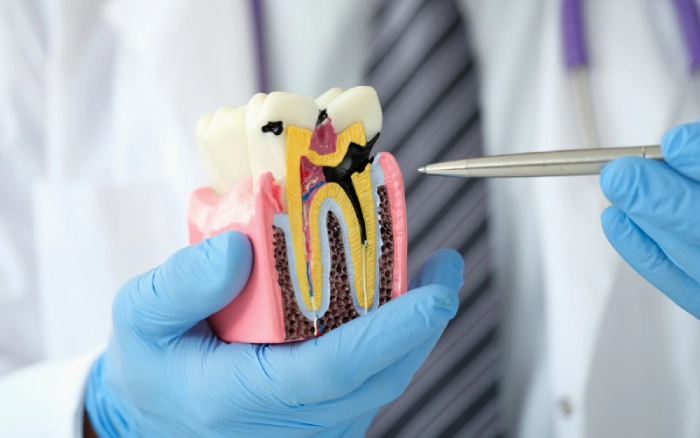
Root canal therapy is a standard dental procedure that treats infection and inflammation. Understanding the purpose, process, and benefits clarifies why this treatment is recommended to save a natural tooth. Here is more information on what this procedure is, why it is performed, and the long-term advantages of prompt treatment:
What Is A Root Canal?
A root canal is a dental procedure designed to treat infection within the pulp of a tooth, and it is a method for preserving a natural tooth that may otherwise require extraction. The pulp is the soft tissue inside the tooth that contains nerves, blood vessels, and connective tissue. When this area becomes infected or inflamed, a root canal is performed to remove the damaged pulp and seal the space. A properly treated tooth can function normally for many years.
Why Is It Conducted?
This procedure is performed when the pulp of a tooth becomes infected or inflamed, typically due to deep decay, repeated dental procedures, or a crack or chip in the tooth. Bacteria enter the pulp chamber through these openings, leading to an infection that can cause significant pain or an abscess. If left untreated, the infection can spread to other parts of the body. The procedure is necessary to relieve the pain of a severe toothache and prevent the infection from worsening.
What Does the Process Involve?
The process may require a few appointments, and it begins with the dentist taking an X-ray to see the shape of the root canals and determine if there are any signs of infection in the surrounding bone. Anesthesia is administered to numb the area, helping to manage discomfort. A small access hole is then drilled into the tooth to reach the pulp chamber.
Using specialized instruments, the dentist removes the infected or inflamed pulp, cleans the inside of the tooth, and shapes the space for a filling. The space is then filled with a biocompatible material, and a temporary filling is placed to close the opening. The tooth is restored with a permanent filling or a crown to protect it and restore its full function.
What Are the Long-term Benefits?
Opting for a timely root canal offers several long-term benefits for oral health, and it is often an advantageous course of action for a severely damaged tooth. One of the main benefits is preserving your natural tooth, which helps maintain proper chewing function and a natural appearance. Keeping your natural tooth also prevents adjacent teeth from shifting.
A successful root canal can last a lifetime, provided you maintain good oral hygiene. The procedure also eliminates the pain and discomfort caused by the infection, allowing you to return to your normal routine without dental discomfort. By addressing the infection promptly, you prevent it from spreading to other teeth or causing more serious health complications.
Schedule a Consultation Today
A root canal is a procedure designed to save a natural tooth by treating an infection in its pulp. The process involves removing the damaged tissue, cleaning the canal, and sealing it to prevent further issues. The long-term benefits include pain relief, preservation of the tooth, and prevention of more complex health problems.
If you are experiencing tooth pain, schedule a consultation with a dental professional. A thorough examination can determine the most suitable course of treatment for your specific situation. Acting promptly can help you maintain your oral health for years to come.