
Navigating the World of Cosmetic Dentistry With Your Dentist
December 22, 2025
When To See a Gynecologist
December 22, 2025The visual system is one of the most complex networks in the human body, relying on a precise connection between the eyes and the brain. A traumatic brain injury can disrupt this delicate communication, leading to a range of visual difficulties. Concussions, which are a mild form of traumatic brain injury, can sometimes result in lasting visual problems that affect daily life through post-trauma vision syndrome.
What Is a Concussion?
A concussion is a type of brain injury that occurs from a blow, jolt, or bump to the head. It can also result from a hit to the body that causes the head and brain to move back and forth rapidly. This sudden movement may cause the brain to bounce around or twist in the skull, creating changes in the brain and sometimes damaging brain cells. The effects of a concussion are typically temporary but can include a wide array of symptoms.
Signs of a concussion may not appear immediately following the injury. Some symptoms manifest hours or days later. These can be physical, such as headache, nausea, and sensitivity to light or noise. Cognitive symptoms might include difficulty thinking clearly, feeling slowed down, or trouble with memory. Emotional changes, like irritability or sadness, are also common. Recovery varies from person to person, with most individuals feeling better within a couple of weeks.
What Is Post-Trauma Vision Syndrome?
Post-trauma vision syndrome (PTVS) is a condition that can arise after a neurological event like a concussion. It describes a disruption in the visual process, where the brain has difficulty interpreting information sent from the eyes. Individuals with PTVS may experience various symptoms. These can include blurred vision, light sensitivity, and hallucinations. They may have trouble with visual motion and feel overwhelmed in busy environments. Other signs are related to spatial awareness. A person might struggle with depth perception, feel off-balance, or have difficulty navigating through a room.
How Is It Treated?
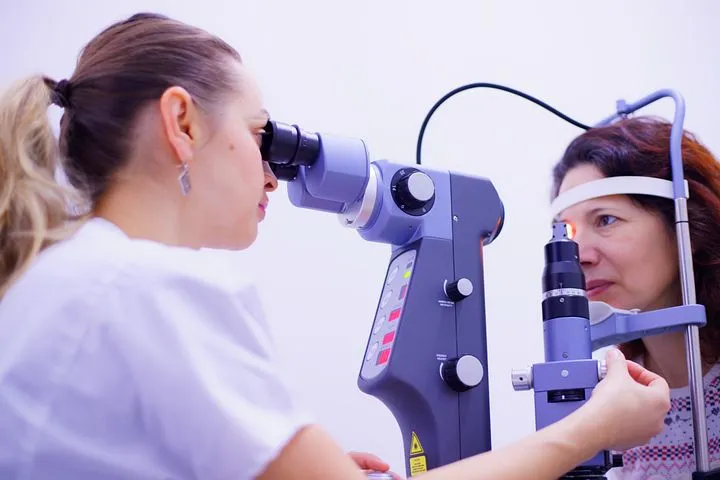
Addressing vision problems after a concussion begins with a comprehensive eye examination performed by a specialist. This assessment goes beyond a standard eye test for glasses. It evaluates the functional aspects of vision, including how the eyes work together, track objects, and focus. The examination helps determine the specific nature of the visual disruption.
Based on the findings, a neuro-optometrist can develop a customized treatment plan. One common approach is a program of neuro-optometric rehabilitation. This therapy can involve a series of prescribed exercises designed to retrain the connection between the eyes and the brain. The goal is to improve the efficiency of the visual system, helping it to process information more accurately and comfortably.
Speak to a Neuro-Optometrist
If visual difficulties persist after a head injury, seeking a specialist’s opinion is a logical next step. A neuro-optometrist is an eye doctor who specializes in the visual problems associated with neurological conditions. They have advanced training in diagnosing and managing vision disorders that originate from the brain. Working with a neuro-optometrist offers a targeted approach to managing post-concussion vision problems and can support a more complete recovery.
- Good Skin Products for Sensitive Skin: A Complete Guide to Gentle Skincare
- Dermatologically Tested Skin Care Products: A Complete Guide for Healthier Skin
- Does Mixsoon Centella Cleansing Foam Really Help Clean and Soothe Skin?
- Good Skin Care Products for Combination Skin: A Complete Guide to Building the Right Routine
- How to Hide Dark Spots on Face? Easy Makeup and Skincare Tips