

Innovative Approaches in Orthopedic Treatments and Sports Medicine
December 9, 2025
The Long-term Benefits of Timely Root Canal Treatments
December 9, 2025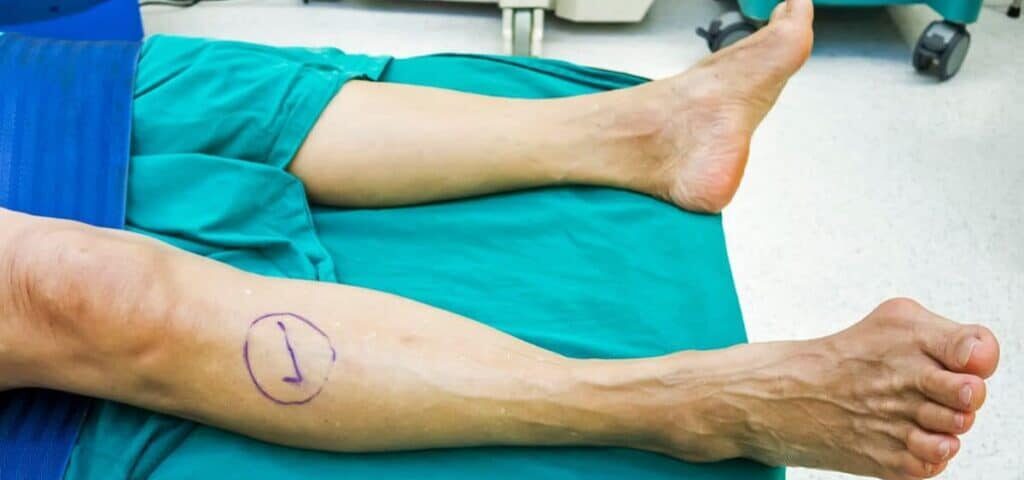
A bunion is a bony bump that forms on the joint at the base of your big toe, and this occurs when your big toe drifts toward the smaller toes. The joint at the base of the big toe then enlarges and protrudes, which may cause discomfort. When non-surgical treatments do not provide enough relief, surgical options are available to correct the underlying issue. Here is more information about bunions and operations to remove them:
Osteotomy Procedure
An osteotomy is a standard surgical procedure for bunions. To correct the deformity, it involves cutting and realigning the bone. The surgeon makes small cuts in the bone of the big toe to straighten it, and screws or pins are often used to hold the bone in its new position.
This procedure aims to restore the normal alignment of the toe joint. After the bone is set in a better position, the soft tissues around the joint are also repositioned. Recovery involves a period of healing, and this allows the bone to mend.
The specific type of osteotomy performed depends on the severity of the bunion, and a surgeon provides options. Before deciding on the exact surgical plan, a surgeon will assess your foot’s structure through X-rays and a physical examination. Your individual anatomy guides the approach.
Joint Fusion
Joint fusion, also known as arthrodesis, is another surgical approach for bunions. The procedure permanently fuses two bones together, which eliminates motion in the affected joint. They may recommend this procedure for individuals with severe bunions or arthritis. The damaged joint surfaces are removed, and then the bones are joined.
This surgery creates a single, solid bone out of the affected joint, so it will no longer be flexible. Hardware, such as screws and plates, holds the bones in place while they heal together. This process creates a stable and corrected foot structure.
Lapidus Procedure
To fix bunions, the Lapidus procedure addresses the unstable joint at the base of the first metatarsal bone. This surgery fuses the joint between the first metatarsal and a small bone in your midfoot. It is typically used for large bunions, and it addresses bunions with joint instability.
By fusing this specific joint, the procedure corrects the angular deformity at its source. A surgeon will prepare the joint surfaces, and they can then use hardware to stabilize the bones as they heal. Post-surgery expectations include:
- Taking a period of rest
- Wearing a cast or boot
- Doing physical therapy exercises
This type of surgery is complex, but it targets the root cause of certain types of bunions.
Exostectomy Procedure
An exostectomy is a procedure that involves removing the bony bump from the big toe joint. In professional settings, it is called a bunionectomy. The surgeon shaves off the prominent bone on the side of the foot, and it is often performed in combination with an osteotomy to realign the toe.
Get Treated for Bunions
A healthcare provider can give you a thorough evaluation of your bunion to determine a treatment path that aligns with your specific needs. The information they provide will be based on the structure of your foot, and evaluations will include your symptoms. If you are struggling with a bunion, seek professional guidance. Schedule an appointment with a foot specialist and discuss which bunion treatment options are right for you.
- Good Skin Products for Sensitive Skin: A Complete Guide to Gentle Skincare
- Dermatologically Tested Skin Care Products: A Complete Guide for Healthier Skin
- Does Mixsoon Centella Cleansing Foam Really Help Clean and Soothe Skin?
- Good Skin Care Products for Combination Skin: A Complete Guide to Building the Right Routine
- How to Hide Dark Spots on Face? Easy Makeup and Skincare Tips