
Understanding the Causes and Treatment of TMJ Disorders
December 2, 2025
Understanding the Benefits of Crowns and Bridges
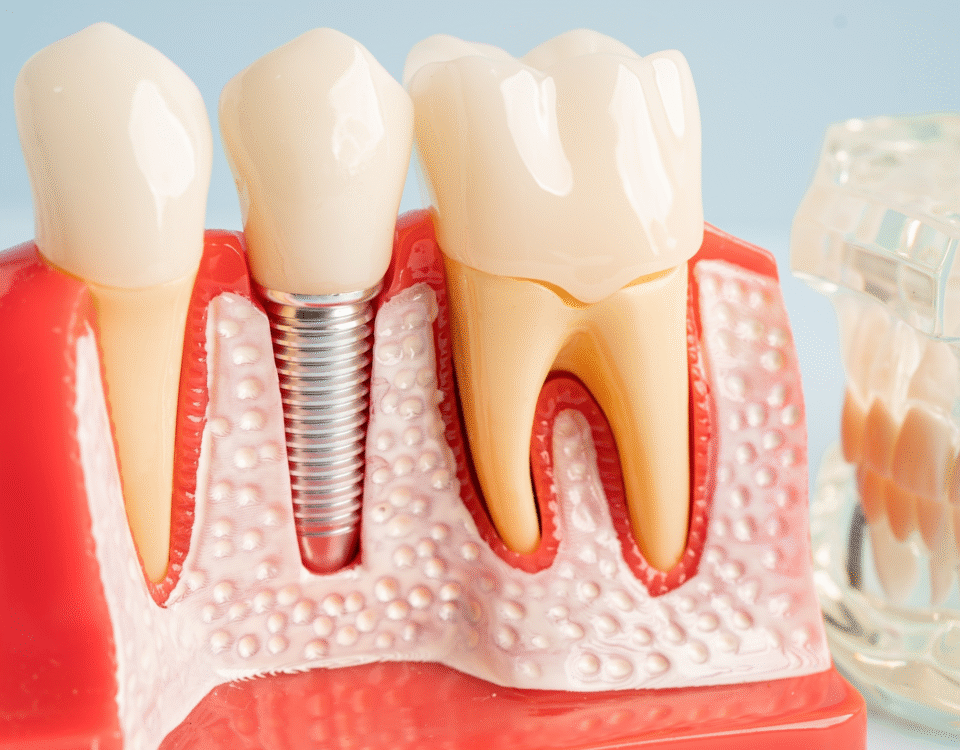
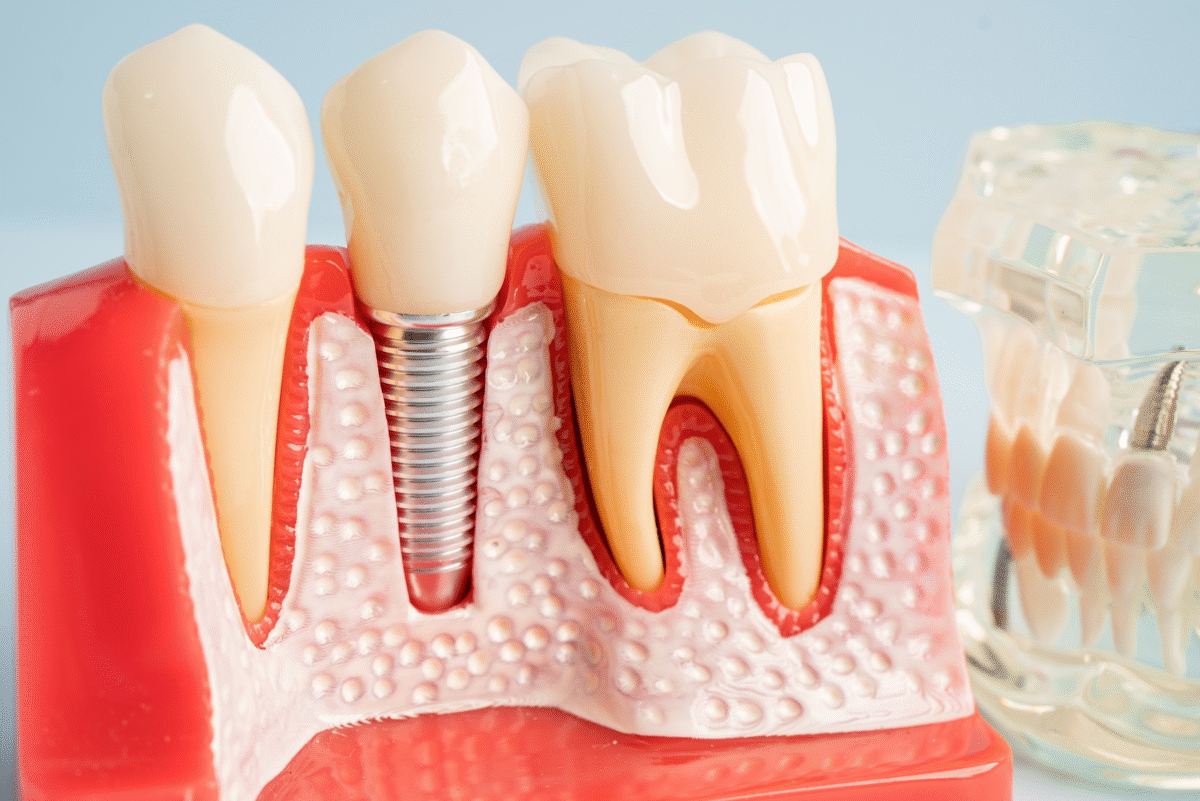
December 3, 2025Dental implants replace a missing tooth with a small post in the jawbone, and this post acts as the root for a future restoration. While a single implant supports a single crown, multiple implants can also stabilize bridges or dentures. Because the post fuses with the bone, it provides a fixed base that maintains strength during daily chewing.
Implant systems include the post, an abutment, and a crown or other restoration. Each component has a specific role in creating a functional replacement tooth. The post stays beneath the gums, while the abutment emerges above the surface to secure the final restoration. A single-tooth crown attaches to a single implant, but several implants may anchor a bridge or denture. This flexibility makes the system suitable for a range of tooth loss patterns.
Restoring Functional Strength
Dental implants function like natural teeth because the post integrates with the jawbone. Once this connection forms, the implant remains stable while biting or chewing, and the surrounding bone supports normal force distribution. As a result, implants can improve daily movements such as speaking and eating.
The implant’s stability helps maintain the spacing of surrounding teeth. When a missing tooth leaves a gap, nearby teeth may change position, but a fixed implant restoration preserves that alignment. This stability also helps maintain the bite pattern, as the replacement tooth holds its position over time. These benefits support long-term oral function without relying on adhesives or clasps.
Supporting Oral Aesthetics
Implants provide a secure foundation for crowns, bridges, or dentures that match the surrounding teeth. A well-fitted crown restores the visible portion of a tooth while blending with nearby teeth. Bridges supported by implants replace several missing teeth in a row without placing force directly on natural teeth. This approach maintains the structure of the mouth while offering a natural appearance.
Denture wearers may also use implants to improve retention. When a denture is secured to implants, it stays in place more reliably. The implant can also help prevent degeneration of the jawbone, which can help with conditions such as facial sagging. As a result, facial contours remain more stable. These features help restorations maintain both appearance and function.
Maintaining Implant Health
Implant care follows the same basic hygiene steps used for natural teeth. Brushing twice daily removes debris around the crown and the gumline. Flossing also remains necessary because it cleans the narrow spaces that brushing cannot reach. These steps help protect the tissues that support the implant.
Regular dental visits allow a provider to monitor implant stability and evaluate the restoration, abutment, and surrounding tissues. Professional cleanings remove buildup that may form around the implant, and early detection of changes helps protect long-term function. These maintenance practices support the health of the bone and gums around the implant.
Learn More About Dental Implants
Dental implants restore missing teeth with a stable foundation that supports chewing strength, appearance, and long-term health. They also anchor larger restorations such as bridges or dentures, giving a secure base for comprehensive tooth replacement. With daily hygiene and regular dental care, implants can be a durable option for restoring oral function. For more information about dental implants, consult your dental provider.