
Follow-Up Care in Wound Management
January 6, 2026
Supporting Partners Through the Infertility Experience
January 7, 2026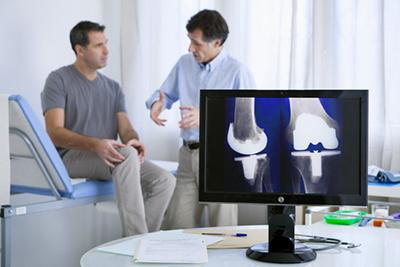
Joint replacement surgery helps many people find relief from chronic pain and stiffness in their hips, knees, or shoulders. In the procedure, an orthopedic surgeon removes damaged bone tissue and replaces it with durable prosthetic parts made from metal or plastic. Like most surgeries, joint replacement surgery comes with a recovery and healing period afterward; adhering to a specific recovery plan after your procedure supports the healing process and helps you return to daily activities. Here is more information about joint replacement surgery and some common elements of the post-surgery recovery phase:
Initial Evaluation
When more conservative treatments such as physical therapy or medications no longer achieve the patient’s desired outcome for joint issues, surgery may be the next option. An orthopedic surgeon oversees every aspect of a joint replacement surgical procedure and the early recovery phase. These medical professionals use imaging tests to identify the extent of joint degradation before recommending a total replacement. After performing the operation, the surgeon provides specific guidelines to manage discomfort and promote healthy tissue growth.
Typical Recovery Timeline
Patients often experience the most significant progress during the first six to twelve weeks following their joint operation. Most individuals can perform light daily activities within about six weeks if they follow their prescribed rehabilitation schedule. Healing occurs in stages, so staying active while pacing yourself helps progress the recovery and healing process. There is typically a follow-up appointment scheduled one year after the surgery date.
Standard Recovery Protocol
Successful recovery depends on a combination of movement, medication management, and proper wound care at home. Physical therapy exercises strengthen the muscles surrounding the new joint to provide better stability and support. To avoid conditions such as deep vein thrombosis, patients can take prescribed blood thinners or pain relievers exactly as directed. Keeping the surgical incision clean and dry reduces the risk of infection while the skin heals.
Here are some activities typically recommended as part of the recovery phase:
- Perform ankle pumps and leg lifts to maintain healthy blood circulation.
- Use a walker or a cane to prevent falls during the early weeks.
- Apply ice packs to the surgical site to minimize swelling and pain.
Activity Modification
Restricting certain movements prevents the new prosthetic components from dislocating or wearing down prematurely. You should not participate in high-impact sports like running or jumping until a doctor provides explicit clearance. Crossing your legs or bending your hip past a 90-degree angle can cause issues with the alignment of a new hip joint. Avoiding these strenuous tasks protects your investment and can help the hardware last for many years; ask your doctor if you have questions about whether an activity is appropriate after joint replacement surgery and when it is appropriate to participate in it.
Find an Orthopedic Surgeon Today
Consistent joint pain may signal a need for professional evaluation. Early intervention helps prevent further damage, and a specialist can outline potential treatments, including joint replacement surgery. For more information about how to return to daily activities after joint replacement surgery, consult an orthopedic surgeon near you.