

Understanding Emergency Dental Care Services
December 5, 2025
Understanding the Connection Between Sleep and Headaches
December 6, 2025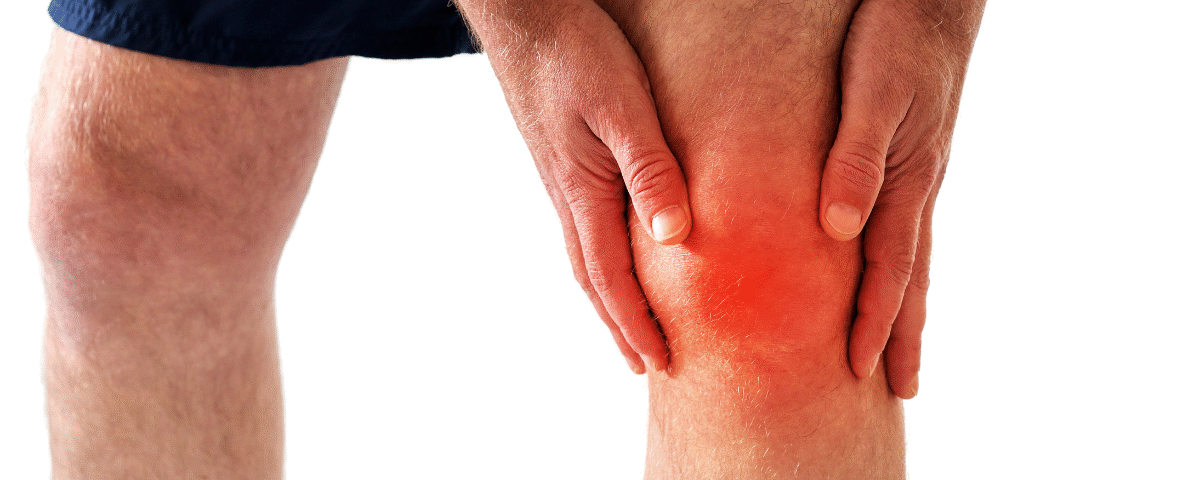
Leg pain in athletes can indicate injuries, overuse, or underlying conditions that may affect performance and long-term health. Recognizing the sources and seeking appropriate care helps athletes manage symptoms, identify causes, and support a safe return to activity. Leg pain arises from musculoskeletal issues, circulatory problems, or nerve-related conditions, each with distinct characteristics and implications for athletes.
What Causes Leg Pain?
Musculoskeletal injuries are a common cause of leg pain in athletics. Overuse injuries include shin splints, which develop from repetitive impact that strains tissue repair mechanisms. Stress fractures also result from repetitive force. Acute events such as strains or ligament tears stem from sudden movements or trauma. Tendonitis develops from repetitive stress and manifests as localized pain.
Certain vascular conditions may be overlooked but can cause significant leg pain. Chronic venous insufficiency can affect athletes, restricting blood flow and causing cramping or weakness during exertion. Leg pain may also have neurological origins. Sciatica, resulting from pressure on the sciatic nerve, leads to radiating pain from the lower back through the leg. Lumbar radiculopathy occurs when spinal nerve roots are compressed, causing pain, numbness, or tingling in the lower limbs.
How Is It Diagnosed?
Diagnosis relies on systematically identifying the pathology responsible for pain, guided by medical history, physical examination, and appropriate testing. A physician assesses an athlete’s symptoms and medical background and performs a detailed physical examination. This may include testing range of motion, evaluating stability, and identifying areas of tenderness or swelling.
Imaging assists in clarifying physical findings. X-rays can verify or exclude bone fractures and abnormalities. MRI provides detailed visualization of soft tissues, allowing for diagnosis of tears and inflammation. CT scans are employed in complex bone cases. When nerve or vascular involvement is suspected, additional tests can clarify the diagnosis.
How Is It Treated?
Treatment strategies depend on the underlying diagnosis and the athlete’s specific circumstances, with options ranging from conservative management to advanced interventions. Many musculoskeletal injuries respond to rest and ice therapy, which helps manage pain and swelling in the initial period. Physical therapy is frequently prescribed, with tailored programs targeting muscle strengthening, flexibility, and biomechanics correction to support recovery and help prevent recurrence. Pain associated with inflammation often responds to non-steroidal anti-inflammatory drugs (NSAIDs). For movement-related pain, custom orthotic devices or shoe inserts may be fitted to address biomechanical irregularities.
If conservative approaches do not provide relief, additional interventions may be explored. Nerve blocks involve targeted injections of local anesthetics near nerves to reduce pain transmission. Radiofrequency ablation uses thermal energy to disrupt pain-signaling nerves. In complex cases of ongoing nerve pain, Dorsal Root Ganglion (DRG) stimulation may be used. This involves an implanted device that modulates pain signals by stimulating specific nerve clusters, often used for conditions like CRPS or localized chronic pain.
Seek Professional Pain Management Services
Athletes experiencing leg pain benefit from professional evaluation and a multidisciplinary approach to both diagnosis and management. Timely intervention may help reduce complications, support recovery, and offer guidance for future injury prevention and training modifications. Engaging with pain management professionals allows athletes to resume activities with improved comfort and function safely.
