
The Different Levels of Periodontist Specialization
December 10, 2025
How Primary Care Can Enhance Your Overall Wellness Journey
December 10, 2025
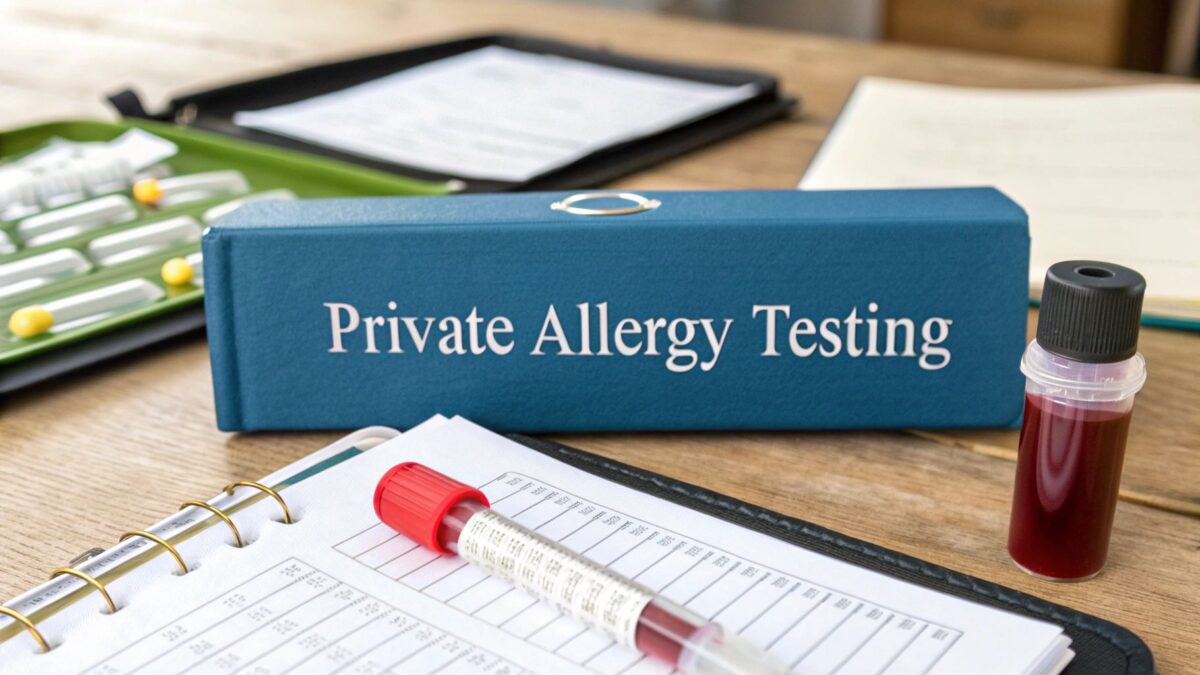
Proper preparation can make allergy testing comfortable and more accurate in identifying the triggers behind persistent symptoms. Understanding what to expect before the appointment helps patients support precise results and effective treatment planning. Here is more information on how to prepare for allergy testing:
What Test Are You Getting?
Before your appointment, you should know the type of allergy testing you will undergo. Here are the standard tests allergy specialists often recommend:
- Skin Prick Test: A specialist applies a small amount of a potential allergen to your skin, makes a tiny scratch, and observes for a reaction.
- Intradermal Test: This test involves injecting a tiny amount of an allergen just under the surface of your skin.
- Blood Test (IgE Test): For this test, a lab technician draws a blood sample to measure the amount of specific antibodies (Immunoglobulin E) your immune system has produced in response to allergens.
- Patch Test: An allergist applies patches containing small amounts of allergens to your skin, and you wear them for some hours to see if a rash develops.
Your allergist will select the most appropriate allergy assessment based on your symptoms and medical history.
How Should You Prepare?
It is fundamental to follow your doctor’s instructions regarding medications and skincare products before your allergy test. Certain substances can interfere with the results by either suppressing or heightening your body’s reaction to allergens. For instance, antihistamines, which are commonly used to treat allergy symptoms, can block the allergic response and lead to false-negative results; you will need to stop taking them several days before your appointment.
Other medications, including certain antidepressants and antacids, can affect the results of allergy screening. You will need to provide your doctor with a complete list of all prescriptions, over-the-counter drugs, and supplements you are taking. Your doctor will then tell you which ones to temporarily stop and for how long.
What Information Should You Bring?
Compiling your complete health history before your appointment is another key step in preparing for allergy testing. Your allergist will need a detailed account of your symptoms, medical background, and lifestyle to interpret the test results accurately. This helps them understand the context of your allergic reactions.
Create a detailed log of your allergy symptoms, noting when they occur, how severe they are, and what you suspect may be triggering them. Include information about your family’s history of allergies, asthma, or eczema. Having this information organized and ready will make your consultation efficient and provide your allergist with the insights needed for a precise diagnosis.
What Happens on Test Day?
On the day of your allergy testing appointment, you should arrive prepared. Here is what you can generally expect during your visit:
- First, the allergist will review your medical history and discuss your symptoms with you.
- Next, for a skin test, your skin will be cleaned with alcohol before the allergens are applied.
- The specialist will then perform the test, and you will need to wait for some minutes to see if any reactions, such as redness or raised bumps, appear.
- After the observation period, the specialist will measure reactions and record the results.
At the end of the appointment, your allergist will discuss the findings with you and recommend a treatment plan.
Book Your Allergy Testing Today
Proper preparation for allergy testing is fundamental for obtaining accurate results and creating an effective treatment plan. Understanding the type of allergy test you will undergo, following medication guidelines, and gathering your health information will promote a precise and seamless process. Contact a trusted allergist near you to book your allergy testing appointment today.