
Common Conditions Treated at Urgent Care Clinics
December 18, 2025The Benefits of Micro-Needling for Skin
December 19, 2025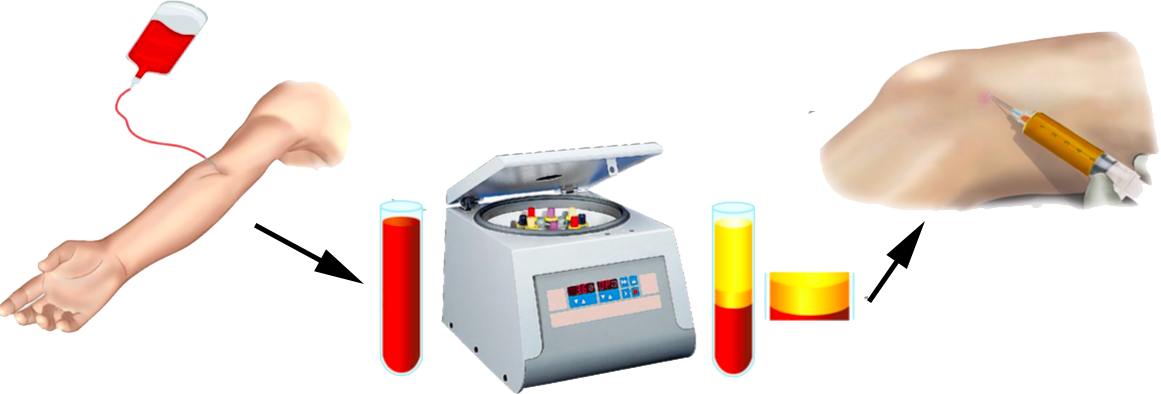
Athletic injuries often require targeted treatment strategies that support healing while minimizing downtime. PRP therapy is a regenerative treatment approach that uses a patient’s own platelets to promote tissue repair and recovery. Here’s more information on how PRP therapy can enhance recovery for athletes:
Understanding Sports Injuries
Athletic activities place significant stress on joints, muscles, and tendons, frequently leading to specific musculoskeletal injuries. These conditions often become chronic because the blood supply to tendons and ligaments is naturally poor. Here are some sports-related injuries that are treated with PRP therapy:
- Rotator cuff tears: Injuries to the muscles and tendons that stabilize the shoulder joint.
- Tennis elbow: Inflammation or micro-tears in the tendons on the outside of the elbow.
- Achilles tendinosis: Chronic degeneration of the tendon that connects the calf muscle to the heel.
- Hamstring strains: Overstretching or tearing of the muscles at the back of the thigh.
- Meniscus tears: Damage to the cartilage that acts as a shock absorber in the knee.
These injuries can limit an athlete’s range of motion and strength, but targeted biological treatments can help repair the tissue structure.
Exploring PRP Therapy
PRP therapy is a medical procedure that uses a patient’s own blood to promote healing in injured tissues. The process begins when a healthcare provider draws a small amount of blood from the patient’s arm. They place the blood sample into a centrifuge, which spins it at high speed. The centrifugal force separates blood components according to their density.
Once the platelet-rich plasma is isolated, the provider prepares it for injection. They inject this concentrated solution directly into the injured tendon, ligament, or joint. The platelets release transforming growth factor and other bioactive proteins into the damaged tissue. This stimulates the body’s repair cells to migrate to the area and begin the healing process. The therapy amplifies the body’s natural healing processes at the site of injury.
Enhancing Recovery
Athletes often choose PRP therapy because it is an approach between conservative management and surgical intervention. It supports long-term structural integrity by addressing the root cause of the tissue damage. Here are some of the benefits of PRP therapy for athletic recovery:
- Accelerates tissue repair: The growth factors stimulate new cell generation, promoting faster healing of tears and strains.
- Reduces reliance on medications: It relieves pain naturally, which decreases the need for opioids or anti-inflammatory drugs.
- Minimizes downtime: The procedure is minimally invasive, so athletes can resume daily activities almost immediately.
- Low risk of reaction: The substance comes from the patient’s own body, so there is little to no risk of rejection or allergic reaction.
These benefits make PRP a helpful option for athletes who need to maintain their physical condition while recovering from an injury.
Incorporating PRP Treatment
Athletes should contemplate PRP therapy when they experience chronic pain that does not respond to traditional treatments. Standard protocols like rest, ice, and physical therapy are effective for acute injuries, but they may not resolve long-standing degenerative conditions. PRP therapy does not provide instant pain relief, and patients often experience mild soreness at the injection site for a few days. The healing process takes time as the body produces new healthy tissue. Most patients require two to four treatments to achieve significant results. PRP is performed in an office setting and takes about 30 minutes. Consult a provider specializing in regenerative medicine to determine whether your injury is suitable for PRP treatment.
Schedule Your PRP Appointment Today
Platelet-rich plasma therapy is a significant advancement in sports medicine and injury rehabilitation. It effectively treats chronic pain and repairs musculoskeletal damage by utilizing the body’s own biological properties. For sports injuries that are affecting your performance, contact a trusted healthcare provider near you to schedule your PRP appointment today.