
Key Vein Care Tips for Healthy Legs
December 15, 2025
Your Guide to the IVF Process and What Comes Next
December 16, 2025
Obstetrician-gynecologists, or OBGYNs, are often associated with pregnancy and childbirth, but their role in women’s health goes beyond pregnancy. These specialists provide care from adolescence through menopause and beyond. An OBGYN can manage a wide spectrum of health concerns, offering guidance and treatment that supports long-term well-being.
Reproductive Health Care
One of an OBGYN’s main functions is to manage reproductive health. This includes guiding patients through their contraception options to help them choose a method that best fits their lifestyle and health needs. They also address issues related to the menstrual cycle, such as irregular periods, heavy bleeding, or severe pain.
An OBGYN can diagnose and manage the underlying causes of menstrual issues. For individuals and couples planning a family, these physicians offer preconception counseling. This counseling can help optimize health before pregnancy and provide support throughout the conception process.
Gynecologic Condition Prevention
Regular visits with an OBGYN are beneficial when it comes to early detection and prevention of various gynecologic conditions. Through routine examinations and screenings like Pap tests, they can identify cellular changes that may indicate a risk for cervical cancer. They also diagnose and manage conditions such as:
- Endometriosis
- Uterine fibroids
- Ovarian cysts
By identifying these issues early, treatments can be more effective, and potential complications can be minimized.
Sexual Wellness Support
OBGYNs can provide a professional environment to discuss sexual health concerns. They can address issues such as libido, pain during intercourse, and other matters related to sexual function. Open communication with your provider allows for personalized guidance and support.
These specialists are also a key resource for the prevention, screening, and treatment of sexually transmitted infections (STIs). They can provide education and resources to help you maintain your sexual health. This promotes a healthy and safe approach to overall sexual wellness.
Hormonal Change Guidance
Hormonal fluctuations are a natural part of a woman’s life, and OBGYNs are equipped to help manage the associated changes. They provide care for conditions like polycystic ovary syndrome (PCOS), which involves hormonal imbalances. As women approach menopause, an OBGYN can offer support for managing symptoms such as hot flashes, sleep disturbances, and mood changes. Regular visits to an OBGYN can help women maintain their overall hormonal health.
Preventive Care Services
Preventive care is a cornerstone of the services provided by an obstetrician-gynecologist. These annual “well-woman” visits often include a physical exam, a clinical breast exam, and a pelvic exam. Based on age and risk factors, they also recommend and administer health screenings, including:
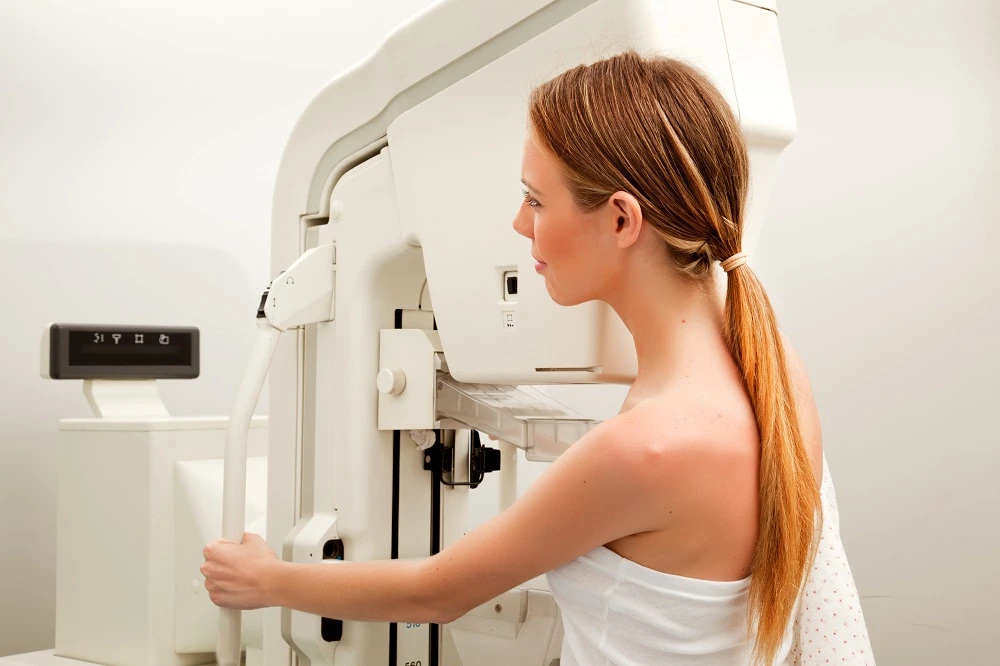
- Mammograms for breast cancer detection
- Bone density screenings for osteoporosis
These preventive measures are beneficial for maintaining overall health and detecting potential problems before they become serious.
Book an OBGYN Visit
From routine check-ups to managing complex health issues, an obstetrician-gynecologist provides continuous care tailored to every stage of a woman’s life. This dedicated medical support is benefical when it comes to neccassary preventive screenings, reproductive health management, and professional guidance through significant life changes like menopause. To help make sure you are taking care of your health, it is recommended to schedule regular visits with your OBGYN.