

What Patients Should Know About MonaLisa Touch Recovery
January 6, 2026
Post-Operative Care After Joint Replacement: What You Need to Know
January 7, 2026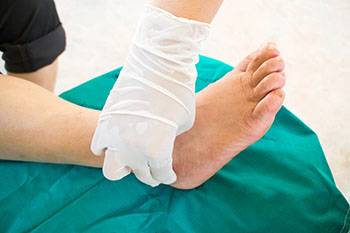
Healing a wound is a process that takes time, and each step matters. Follow-up wound care makes sure your injury heals properly and helps prevent complications. You might visit a clinic for an initial treatment, but the work does not stop there; ongoing care is required. Because wounds change daily, doctors must monitor your progress; otherwise, an infection could set in quickly.
Monitoring Foot and Leg Wounds
Regular check-ups influence foot or leg wound care, and they provide opportunities to catch problems early. Your doctor will examine the area closely and look for signs of redness or swelling. If you notice a swollen leg, tell your provider immediately, as this symptom might indicate a worsening condition. Ankle wounds are particularly slow to heal because blood flow is somewhat limited in that area. Addressing circulation issues early helps avoid delays in recovery, so your provider may recommend elevation or gentle movement, and this can help. Specialists can assess your individual needs and suggest steps to improve blood flow.
Managing Complex Wound Care
Diabetic foot care requires a strict schedule of observation. Patients with diabetes often have reduced sensation, so they might not feel a new injury occurring. Skin and bone infections can develop silently, posing health risks, and they may go unnoticed until severe. Imaging tests, such as X-rays or MRIs, help identify wound care complications that are not visible from the outside. These scans allow clinicians to detect infection in deep tissues and assess damage, which helps with planning care. Your doctor will check for deep tissue damage, or they may order imaging tests to see beneath the skin. Foot and limb salvage becomes the priority when infections spread, but early intervention may prevent this outcome. Complex wounds need specialized attention because standard treatments often fail to resolve the underlying issues, so expert care may be needed.
Surgical Wounds and Advanced Treatments
Surgical wound care involves keeping the incision clean and dry. The doctor removes sutures at the right time, and they check that the edges of the skin have joined, which helps prevent reopening. Skin grafting helps close large wounds, but the graft must attach securely to the healthy tissue below for successful healing. When skin grafts are regularly checked, any problems can be addressed promptly, leading to better healing. Although these steps might seem repetitive, they are necessary for proper recovery.
Flap reconstruction is another option for deep defects, yet it requires careful monitoring to make sure the blood supply remains intact. Often, this process is managed in a hospital setting. Close observation of flap procedures reduces the risk of tissue loss and helps prevent complications. Prescription wound care products speed up the process, and your provider will teach you how to use them correctly. These advanced methods are effective, but they only work if you follow the specific care instructions exactly. Because these treatments are complex, your provider will give you clear directions to support healing.
Next Steps for Your Recovery
You play the biggest role in your own healing process, and your actions make a real difference. Follow your doctor’s orders, and attend every follow-up appointment to track your progress. If you have questions about your treatment plan, ask them during your visit or call the office for guidance. Open communication helps avoid confusion. Taking these steps protects your health and helps your wound heal as quickly as possible.