The Importance of Early Detection in Gallbladder Surgery Outcomes
December 23, 2025
Diagnosis and Treatment Options You Should Know About for Eye Cysts
December 24, 2025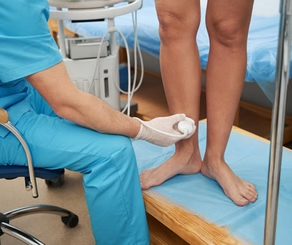
Varicose veins are enlarged, twisted veins that most often develop in the legs and feet, affecting many individuals worldwide. While these veins can sometimes cause discomfort, their appearance and related symptoms prompt many people to seek treatment. Non-surgical therapies provide options for those seeking relief from symptoms or improvement in appearance without traditional surgery.
What Are Varicose Veins?
Varicose veins result when the one-way valves in veins weaken or become damaged, permitting blood to pool. This increased pressure causes the veins to stretch, swell, and become visible under the skin, often appearing blue or dark purple. People may experience symptoms such as aching, heaviness, itching, or swelling.
What Causes Them?
The development of varicose veins is linked to several risk factors. Aging is a factor, as natural wear on valves over time increases risk. Women are more often affected than men, with pregnancy, hormonal changes, and menopause supporting the condition due to hormonal effects that relax vein walls. Family history increases risk, so genetics may be a factor. Being overweight adds pressure to the veins, and jobs that require long periods of standing or sitting can impede blood flow, contributing to varicose vein formation.
How Are They Treated?
Non-surgical treatment options for varicose veins are minimally invasive and can be performed on an outpatient basis. The optimal method depends on vein size, location, symptoms, and patient health. Established non-surgical options exist that specialists may recommend.
Sclerotherapy
Sclerotherapy treats small to medium-sized veins and spider veins by injecting a sclerosant directly into the vein. This solution irritates the lining, leading the vein to collapse and be reabsorbed by the body. Multiple treatment sessions may be required, and the procedure is typically performed in a medical office.
Endovenous Thermal Ablation
Endovenous thermal ablation is a common option for closing larger veins. There are two primary types: radiofrequency ablation (RFA) and endovenous laser ablation (EVLA). Both methods involve inserting a catheter or fiber into the affected vein. In RFA, radiofrequency energy heats the vein wall, causing it to seal closed. In EVLA, a laser fiber delivers thermal energy for the same purpose. Blood is naturally redirected to healthier veins after successful closure.
Ambulatory Phlebectomy
Ambulatory phlebectomy is performed to remove surface varicose veins through small skin punctures or tiny incisions. A surgical hook extracts sections of the vein through these openings. Stitches may not be required due to the minimal size of the skin punctures. This technique addresses superficial veins near the skin’s surface.
Additional Methods and Supportive Measures
In some cases, other supportive measures may be advised. Compression stockings apply graded pressure to the legs, promoting blood flow and reducing swelling or discomfort. Lifestyle modifications, such as regular movement, elevating the legs, and weight management, can support vein health and reduce symptoms. These approaches may be recommended alongside or even before procedural interventions, depending on the severity and presentation of the veins.
Confer With a Vascular Specialist
Non-surgical treatments for varicose veins now offer a range of options suited to varied needs and vein types, with most procedures providing rapid recovery and minimal disruption to daily activities. A vascular specialist can assess your individual situation, often with an ultrasound, to recommend a personalized treatment plan that addresses your symptoms, vein health, and long-term well-being.