

Exploring Non-Surgical Treatments for Varicose Veins
December 23, 2025Tips for Managing Back Pain While Traveling
December 26, 2025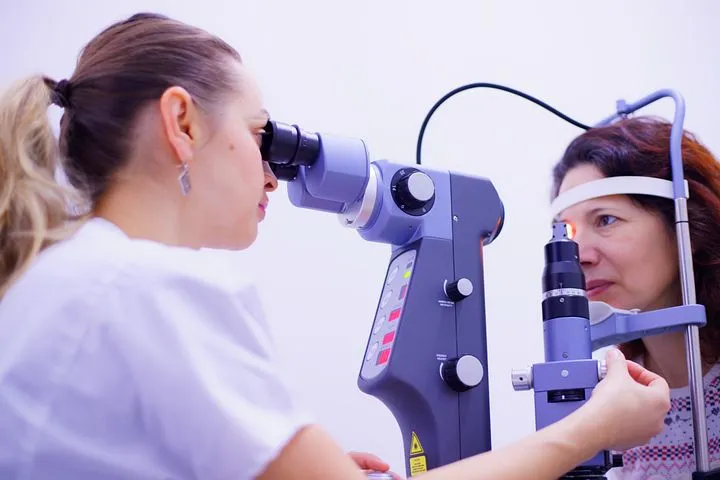
An eye cyst is a fluid-filled sac that can develop on or inside the eye. Understanding the nature of these cysts is the first step toward effective management, and a retina specialist can help. Here is more information on a cyst on eye, its causes, symptoms, diagnosis, and treatment options:
What Is a Cyst on Eye?
A cyst on eye refers to a sac-like pocket of tissue that contains fluid, air, or other substances. These growths can appear on the eyelid, the conjunctiva (the clear membrane covering the white part of the eye), or deeper within the eye structure. Macular cysts form on the macula, and this is part of the retina responsible for sharp, central vision.
The appearance and impact of a cyst vary depending on its specific type and location. Some are visible to the naked eye as small, clear, or white bumps, while others are only detectable through a comprehensive eye examination. Macular cysts, being internal, typically affect vision quality rather than physical appearance.
What Causes Them?
Eye cysts develop due to a variety of factors, ranging from blocked glands to infections. A common cause is obstruction of the meibomian glands, which produce the oil layer of the tear film. When these glands become blocked, fluid accumulates, forming a cyst known as a chalazion.
Infections or inflammation of the hair follicles at the base of the eyelashes can also trigger cyst formation. Trauma to the eye area or surgery can sometimes lead to the development of an inclusion cyst. In the case of macular cysts, age-related macular degeneration or conditions such as diabetic retinopathy are underlying causes.
What Are the Symptoms?
Symptoms of an eye cyst depend on the size and location of the growth. External cysts, such as those on the eyelid, often present as a visible lump that is red or swollen. Patients may report a sensation of heaviness in the eyelid, or they may feel like a foreign object is in their eye. If the cyst is large enough, it may press against the cornea, potentially causing blurred vision or astigmatism.
How Are Eye Cysts Diagnosed?
Diagnosis typically begins with a thorough clinical examination by a retina specialist. The doctor inspects the external structures of the eye, looking for visible signs of swelling, redness, or distinct lumps. For external cysts, this visual inspection may be sufficient to identify the lesion type. For internal cysts, such as macular cysts, more advanced diagnostic imaging is required.
What Are the Treatment Options?
Treatment for eye cysts depends on the type, size, and severity of the patient’s symptoms. Small external cysts may resolve on their own with warm compresses, which help unclog blocked glands. If conservative measures fail, medical intervention becomes necessary to alleviate discomfort or restore vision.
For persistent inflammation or infection, doctors may prescribe eye drops. These medications help reduce swelling and combat bacterial infection, facilitating the healing process. In cases where the cyst is particularly stubborn, injections may be administered directly into the cyst to speed resolution. When a cyst does not respond to medication or significantly impairs vision, surgical removal is evaluated.
Learn More About Eye Cysts
Eye cysts are a common ocular condition that encompasses a range of types, from external eyelid bumps to internal macular cysts. Early diagnosis and adherence to a treatment plan are key to resolving the issue and preserving eye health. A qualified eye care professional can provide a diagnosis and recommend specific therapies, whether that involves simple eye drops or surgical intervention. Contact a retina specialist today to schedule a comprehensive eye exam and discuss your options.
