

The Role of an Acupuncturist in Holistic Health
December 10, 2025
Tips for Managing Sciatica
December 11, 2025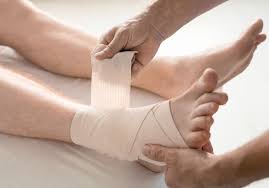
Ankle sprains are among the most common injuries affecting people of all ages and activity levels. These injuries occur when the ligaments that support the ankle are stretched or torn, often from a sudden twist or roll. Understanding how to recognize the symptoms and manage the initial stages of an ankle sprain is beneficial for a proper recovery.
Identifying Common Symptoms
The first step toward proper treatment is recognizing the signs of an ankle sprain. After a twist or impact, you may experience one or more of the following symptoms:
- Pain: Immediate pain that can range from mild to severe.
- Swelling: The area around the ankle joint may swell.
- Bruising: Discoloration can develop in the hours or days following the injury.
- Tenderness: The affected area is painful to the touch.
- Limited Range of Motion: Difficulty moving the ankle joint.
- Instability: A feeling that the ankle cannot support your weight.
Assessing Pain Severity
The level of pain you experience can provide information about the potential severity of the sprain. A mild sprain may cause discomfort, but you might still be able to walk with a slight limp. Moderate sprains typically involve more significant pain and swelling, and they make walking difficult. A severe sprain, which could involve a complete ligament tear, often results in intense pain, substantial swelling, and an inability to put any weight on the foot.
Reducing Swelling Effectively
Managing swelling is a key component of initial care for an ankle sprain because it can help alleviate pain and begin the healing process. A widely recognized approach involves rest, ice, compression, and elevation.
- Rest: Avoid activities that cause pain or put stress on the ankle.
- Ice: Apply a cold pack for 15-20 minutes every 2-3 hours to help reduce blood flow and inflammation.
- Compression: Use an elastic bandage to wrap the ankle, which helps control swelling.
- Elevation: Keep the ankle raised above your heart level as often as possible.
Supporting Healing Properly
Proper support is helpful as your ankle heals. After managing the initial swelling, you will need to reintroduce movement slowly. Protecting the injured ligaments during this phase is beneficial. Depending on the severity of the sprain, an ankle brace or support can help provide stability. It also prevents movements that might cause further damage.
Gentle stretching and strengthening exercises are beneficial for recovery. These should be introduced at the right time to avoid stress on the injury. These exercises help restore your ankle’s range of motion and rebuild strength effectively.
Preventing Repeat Injuries
Preventing a recurrence after recovering from an ankle sprain helps avoid chronic ankle instability, which can occur if the ligaments don’t heal properly. To lower the risk of future sprains, prioritize exercises that enhance ankle balance, strength, and flexibility. Wearing supportive footwear tailored to your activities can also make a big difference. Always stay cautious on uneven surfaces when walking or running to protect your ankles.
Take Control of Your Ankle Sprain
Navigating an ankle injury can benefit from understanding symptoms and a structured recovery approach. Identify signs, manage pain and swelling, and support the joint as it heals. If you’re concerned about the severity of your sprain or if your symptoms worsen, consult a medical professional.