

Navigating Women’s Health Services at Your Local Women’s Clinic
December 23, 2025The Importance of Early Detection in Gallbladder Surgery Outcomes
December 23, 2025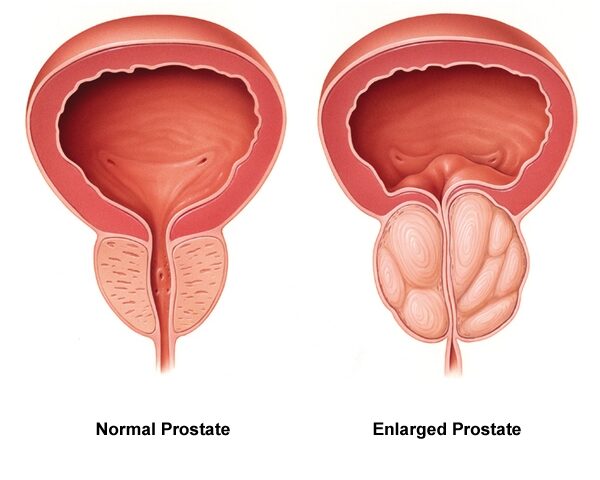
Benign prostatic hyperplasia, or BPH, is a common condition that affects many men as they age, but it does not have to disrupt daily life permanently. Learning more about the condition and enlarged prostate treatments helps you make an informed decision about your care. Here is more information on the symptoms, causes, and specific procedures that medical professionals use to provide relief:
What Is an Enlarged Prostate?
An enlarged prostate occurs when the prostate gland grows in size, and this growth presses against the urethra. This condition is medically known as benign prostatic hyperplasia (BPH). The gland continues to grow throughout a man’s life, so many men will eventually experience this condition. Effective enlarged prostate treatments can manage the physical changes associated with the condition.
The prostate sits directly beneath the bladder and surrounds the urethra that transports urine. As the gland enlarges, it squeezes this tube, restricting the flow of urine. Left untreated, the bladder muscle thickens, and it may lose the ability to empty completely.
What Causes It?
The exact cause of prostate enlargement is not fully known, but changes in sex hormones may play a role in prostate enlargement. As men age, the amount of active testosterone in the blood decreases, yet estrogen levels remain the same. This hormonal imbalance may trigger prostate cell growth within the gland.
What Are the Symptoms?
Symptoms often stem from the blocked urethra or the bladder working harder to pass urine. You may experience a frequent or urgent need to urinate, and this urgency often increases during the night. Difficulty starting urination or a weak urine stream are also common indicators of BPH.
In some cases, the bladder does not empty completely, which increases the risk of urinary tract infections. You may notice the urine stream stops and starts, or you may experience dribbling at the end of urination. These symptoms vary in severity.
What Are Enlarged Prostate Treatments?
Transurethral resection of the prostate (TURP) is a surgical option where a doctor removes parts of the prostate. A scope is inserted through the urethra, and a heated wire loop is used to cut away excess tissue. This procedure relieves pressure on the urethra.
Prostate artery embolization (PAE) is a minimally invasive procedure that shrinks the gland by blocking its blood supply. A specialist inserts a catheter into an artery, and they guide it to the vessels that supply the prostate. Small particles are injected to block blood flow, causing the prostate to shrink over time.
Aquablation therapy uses a heat-free water jet to remove prostate tissue effectively. It combines real-time imaging with robotics for precision. Rezum water vapor therapy uses steam to treat excess tissue. The steam releases thermal energy into the targeted area, causing the cells to die. The body absorbs the treated tissue, and the prostate reduces in size.
What Are the Benefits?
Seeking treatment improves quality of life by restoring normal urinary function. Patients may sleep better, and they no longer need to wake up frequently to use the restroom. Treating BPH prevents serious complications such as bladder damage, kidney stones, and total urinary blockage. Medical intervention also reduces the discomfort associated with straining to urinate.
Find the Right Treatment Today
Understanding the available medical options is the first step toward managing an enlarged prostate. Consult with a specialist to discuss which procedure aligns with your specific symptoms and medical history. Taking action now can prevent future complications, so schedule an appointment to find relief.
- Good Skin Products for Sensitive Skin: A Complete Guide to Gentle Skincare
- Dermatologically Tested Skin Care Products: A Complete Guide for Healthier Skin
- Does Mixsoon Centella Cleansing Foam Really Help Clean and Soothe Skin?
- Good Skin Care Products for Combination Skin: A Complete Guide to Building the Right Routine
- How to Hide Dark Spots on Face? Easy Makeup and Skincare Tips