

Promoting Mental Health Care in the Workplace
December 12, 2025
Choosing the Right Plastic Surgeon for Your Body Goals
December 13, 2025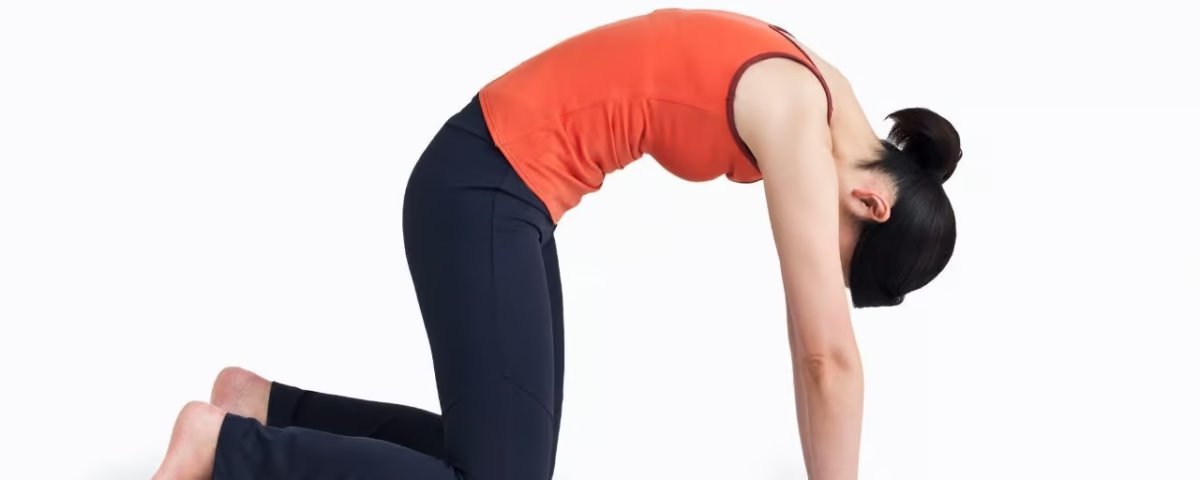
Joint pain refers to discomfort, aches, or soreness in any of the body’s joints, where bones meet to facilitate movement. This pain can range from mild discomfort to debilitating irritation. When joints in the spine or hips become inflamed or stiff, the body often compensates by overusing other muscles, leading to strain and chronic back conditions. Here’s more information on back-related joint pain and how regular exercise can help manage it:
Strengthen Muscles
One of the primary benefits of regular physical activity is the strengthening of the musculoskeletal system. The spine relies heavily on the support of surrounding muscles to maintain alignment and reduce the load on vertebral discs. Core muscles act as a natural corset for the spine and include the abdominals, obliques, and lower back muscles. When these muscle groups are strong, they stabilize the torso, reducing the pressure placed on the lower back during daily activities.
Regular resistance training and targeted movements help build this necessary support structure. By fortifying the muscles that encircle the spine, individuals can often alleviate the mechanical stress that contributes to back-related joint pain. Some common health conditions associated with back pain include:
- Herniated Discs: A condition where the soft center of a spinal disc pushes through a crack in the tougher exterior casing.
- Sciatica: Pain that radiates along the path of the sciatic nerve, branching from the lower back through the hips and buttocks and down each leg.
- Spinal Stenosis: A narrowing of the spaces within the spine, which can put pressure on the nerves that travel through the spine.
- Osteoarthritis: The most common form of arthritis, occurring when the protective cartilage that cushions the ends of the bones wears down over time.
- Degenerative Disc Disease: Pain caused by a damaged disc in the spine.
Decrease Symptoms
Managing back pain often requires a multifaceted approach that goes beyond exercise alone. For many patients, a combination of medication management and physical therapy provides effective relief. Over-the-counter anti-inflammatory medications can help reduce acute swelling and make movement easier, while prescription options may be necessary for more severe cases.
Physical therapy offers a structured environment where professionals guide patients through specific movements to relieve pressure on sensitive joint areas. At-home exercises and stretches are fundamental for long-term symptom reduction for many people living with back pain. Gentle stretching improves flexibility and blood flow, promoting healing.
When dealing with chronic pain, clinical interventions are recommended for ongoing management. You should see a specialist for your joint pain if the discomfort persists for more than a few weeks or if the pain is severe. Report if you are experiencing any other sensations with your pain, such as numbness, tingling, or weakness in your limbs.
Encourage Functionality
Exercise does more than build muscle, as it fundamentally improves how the body functions as a cohesive unit. Regular movement increases joint lubrication, reducing friction and stiffness that often accompany sedentary lifestyles. Synovial fluid, which nourishes the cartilage, circulates more effectively during physical activity, helping to maintain healthy joint function.
Improved functionality means that daily tasks, such as lifting groceries or climbing stairs, become less taxing on the spine. Regular activity trains the body to move more efficiently, distributing physical stress evenly rather than concentrating it on the lower back. This improved mechanical efficiency reduces the risk of future injuries and helps maintain independence and mobility.
Schedule a Joint Pain Consultation
If back pain is affecting your life, getting professional medical care is invaluable for your health. A specialist can evaluate the specific causes of your discomfort and create a tailored plan that includes safe, effective exercises. Early intervention can prevent minor issues from becoming more severe conditions. Contact a joint pain specialist today to discuss your symptoms and explore the best strategies for restoring your back health.
- Good Skin Products for Sensitive Skin: A Complete Guide to Gentle Skincare
- Dermatologically Tested Skin Care Products: A Complete Guide for Healthier Skin
- Does Mixsoon Centella Cleansing Foam Really Help Clean and Soothe Skin?
- Good Skin Care Products for Combination Skin: A Complete Guide to Building the Right Routine
- How to Hide Dark Spots on Face? Easy Makeup and Skincare Tips