
Innovative Aesthetic Procedures to Enhance Your Natural Beauty
January 4, 2026
Understanding Anxiety Disorders and Their Variability
January 6, 2026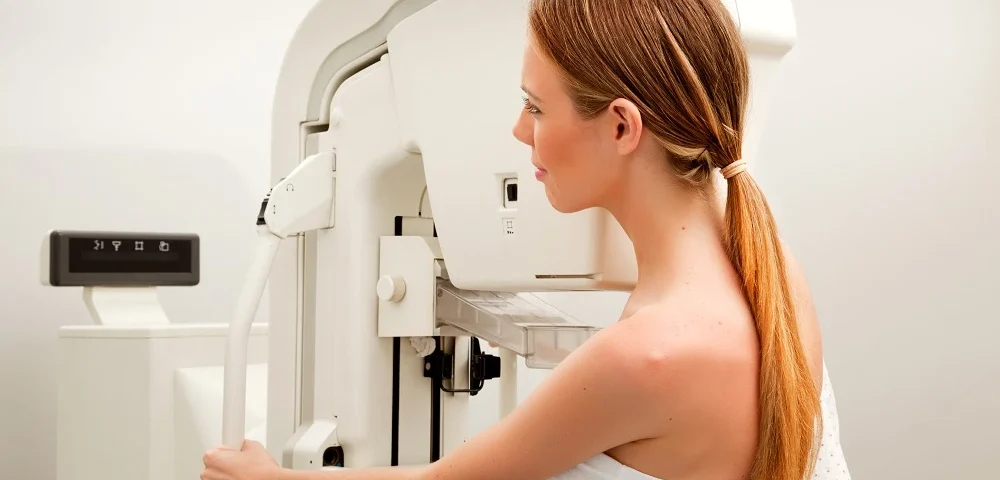
A mammogram creates a detailed X-ray image of the breast, and doctors use this specific tool to detect early signs of breast cancer. It serves as a primary screening method, and it helps identify abnormalities. To get a clear image, the procedure briefly compresses the breast tissue. Here are four facts about mammogram myths:
1. Tests Should Be Done Regularly
Because risk increases with age, medical groups recommend regular screening. Health organizations typically recommend screening for women every year, beginning at age 40. You might start at age forty, or you could wait until fifty. Your doctor guides this decision based on your specific medical background.
Consistent testing creates a valuable history of your personal breast health. Radiologists typically compare new images with old ones, and they spot changes over time. If a new spot appears, previous films provide context for the doctor. This comparison helps professionals distinguish between normal tissue and potential concerns.
2. Mammograms Catch Cancer Early
Screening detects lumps that are too small for you to feel. These small changes can be subtle, but the X-ray reveals them clearly. Early detection aims to provide patients with a wider range of treatment options. Because the cancer is small, it has likely not spread to other areas.
Some people avoid radiation, but the dose remains extremely low. Modern machines use minimal amounts of energy to capture the necessary images. Since technology has advanced, the safety of this standard test has improved greatly. The benefits of finding cancer early are designed to outweigh the minimal risks of radiation exposure.
Finding cancer early prevents the disease from spreading extensively. While treatment plans vary, catching it early simplifies the recovery process. You might need less invasive surgery, or you might avoid chemotherapy altogether. Quick action may lead to better health outcomes for many women.
3. You Don’t Need Symptoms To Test
Screening is for healthy women, and diagnostic tests investigate specific symptoms. Even if you feel completely fine, you should go for a mammogram. Many cancers do not show physical signs immediately in the early stages. Regular checks catch these hidden issues before they become noticeable problems.
Risk factors that influence screening needs include:
- Known family history of breast cancer
- High breast tissue density
- Previous biopsy results
- Personal history of breast conditions
It is wise to speak with your healthcare provider to determine the most suitable screening schedule for your needs, as early detection is helpful. This may increase the chances of successful treatment for your health.
4. Mammograms Can Be Requested
You have control over when mammograms are scheduled. If you are worried about your risk, you do not need to wait. Ask your primary care provider for a referral, or contact a clinic directly. Insurance plans may cover these screenings fully as preventative care.
Schedule a Mammogram Today
While myths persist, knowing the facts empowers you to make safe choices. Contact a local clinic today, and set up your appointment soon. Prioritize your long-term health by taking this proactive step now. A phone call begins the process of scheduling a mammogram to protect your health and detect breast cancer in its early stages, when it is treatable.